Easy Bold Mediterranean Couscous Salad for Crave‑Worthy Summer Meals
Mediterranean couscous salad brings together the vibrant flavors of the Mediterranean region in one delightful dish. With its perfect balance of tender couscous, crisp vegetables, briny olives, and tangy feta cheese, this refreshing salad captures the essence of sunny coastal cuisine while providing a nutritious and satisfying meal option.
This versatile salad works wonderfully as a light lunch, a side dish for dinner, or even as a make-ahead option for busy weekdays. The combination of textures and flavors creates a harmonious blend that’s both refreshing and filling, making it a perfect addition to your regular recipe rotation.
What Makes Mediterranean Couscous Salad Special?
The Perfect Balance of Flavors and Textures
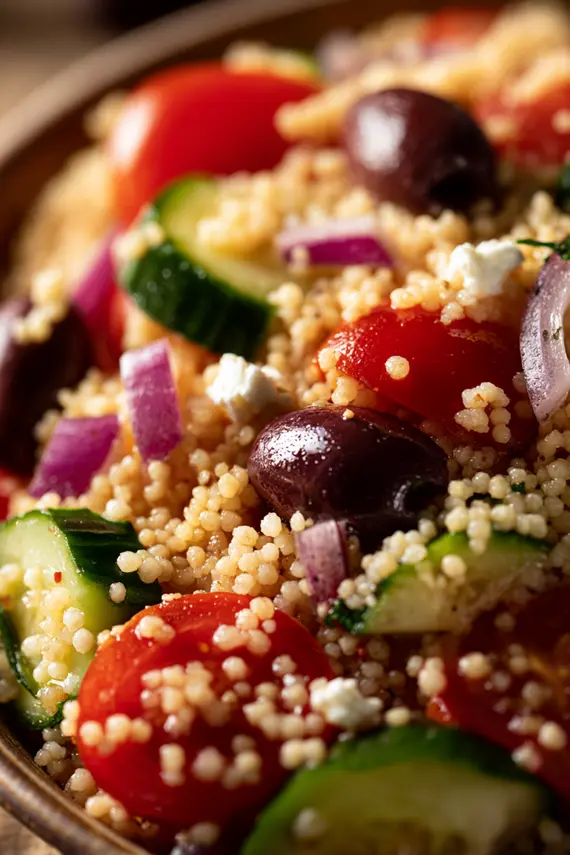
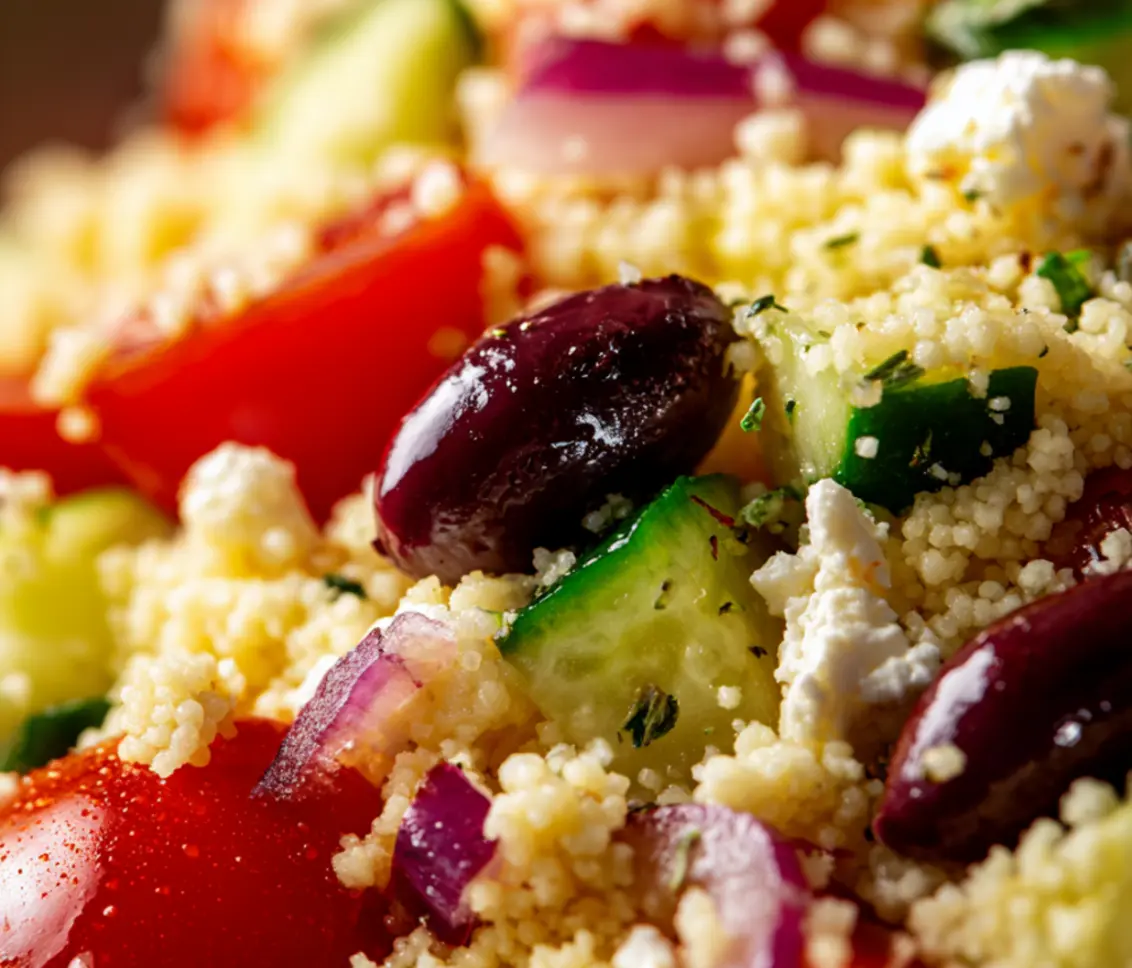
Mediterranean couscous salad stands out from other grain salads because of its exceptional combination of ingredients that create a symphony of flavors. The tender, fluffy couscous provides a neutral base that absorbs the vibrant Mediterranean flavors while adding a pleasant texture. Each bite offers something different—the juicy burst from cherry tomatoes, the refreshing crunch of cucumber, the sharp bite of red onion, and the briny richness of kalamata olives.
What truly elevates this salad is the addition of crumbly feta cheese, which adds a tangy, creamy element that beautifully contrasts with the other ingredients. The simple yet powerful dressing of olive oil and fresh lemon juice ties everything together, creating a zesty lemon vinaigrette that enhances rather than overwhelms the natural flavors of the ingredients.
Unlike many heavy pasta salads, this Mediterranean couscous salad feels light and refreshing while still being satisfying. It’s the perfect representation of Mediterranean cuisine—simple, fresh ingredients combined in a way that celebrates their natural qualities.
Health Benefits of This Mediterranean Grain Salad
Nutrition-Packed Ingredients
The Mediterranean diet is consistently ranked as one of the healthiest eating patterns in the world, and this couscous salad embodies many of its principles. This salad isn’t just delicious—it’s packed with nutrients that contribute to overall wellness.
Couscous, made from semolina wheat, provides complex carbohydrates that offer sustained energy. While it’s not as high in fiber as some whole grains, it still contributes to your daily grain intake. The abundance of fresh vegetables delivers essential vitamins, minerals, and antioxidants—cucumber provides hydration and vitamin K, while tomatoes offer vitamin C and lycopene, a powerful antioxidant.
The olive oil in the dressing contains heart-healthy monounsaturated fats and polyphenols with anti-inflammatory properties. Feta cheese adds calcium and protein, while kalamata olives provide additional healthy fats and antioxidants. Fresh herbs like parsley aren’t just garnish—they add vitamin K, vitamin C, and various antioxidants.
Together, these ingredients create a nutrient-dense meal that aligns perfectly with Mediterranean eating principles—emphasizing plant foods, healthy fats, and moderate amounts of dairy.
Ingredients for a Stunning Mediterranean Couscous Salad
Everything You Need
- 1 cup dry couscous (regular or whole wheat)
- 1¼ cups vegetable or chicken broth (or water)
- 1 cup cherry tomatoes, halved
- 1 cup cucumber, diced
- ¼ cup red onion, finely chopped
- ⅓ cup kalamata olives, sliced
- ½ cup feta cheese, crumbled
- 2 tablespoons extra virgin olive oil
- 2 tablespoons fresh lemon juice
- 1 teaspoon lemon zest (optional)
- 2 tablespoons fresh parsley, chopped
- 1 tablespoon fresh mint, chopped (optional)
- 1 clove garlic, minced (optional)
- ½ teaspoon dried oregano (optional)
- ¼ cup roasted red peppers, chopped (optional)
- ¼ cup artichoke hearts, quartered (optional)
- ¼ cup chickpeas, rinsed and drained (optional)
- Salt and freshly ground black pepper to taste
Creating the Perfect Mediterranean Couscous Salad
How to Make It Perfectly
- Prepare the couscous: Bring 1¼ cups of broth or water to a boil in a medium saucepan. Remove from heat, add the couscous, stir quickly, cover with a lid, and let it sit for 5 minutes. After 5 minutes, fluff the couscous with a fork and transfer to a large bowl to cool completely. For best results, spread it on a baking sheet to cool faster and prevent clumping.
- Prep the vegetables: While the couscous cools, dice the cucumber into ¼-inch pieces, halve the cherry tomatoes, and finely chop the red onion. To reduce the sharpness of the red onion, soak the chopped pieces in cold water for 5-10 minutes, then drain thoroughly.
- Prepare the olives and cheese: Slice the kalamata olives and crumble the feta cheese if it didn’t come pre-crumbled. Keep the feta refrigerated until you’re ready to add it to maintain its texture.
- Make the dressing: In a small bowl, whisk together the olive oil, fresh lemon juice, lemon zest (if using), minced garlic (if using), dried oregano (if using), salt, and pepper until well combined and slightly emulsified.
- Combine the salad: Once the couscous has cooled to room temperature, add the prepared vegetables, olives, and any optional ingredients like roasted red peppers, artichoke hearts, or chickpeas to the large bowl with the couscous.
- Dress the salad: Pour the prepared dressing over the salad and toss gently to coat all ingredients evenly. Start with about three-quarters of the dressing, taste, and add more if needed.
- Add herbs and cheese: Fold in the chopped parsley, mint (if using), and crumbled feta cheese. Mix gently to avoid breaking up the feta too much or crushing the delicate vegetables.
- Season and rest: Taste and adjust the seasoning with additional salt and pepper as needed. For the best flavor development, cover and refrigerate for at least 30 minutes before serving to allow the flavors to meld together.
- Serve: Enjoy this Mediterranean couscous salad chilled or at room temperature. Just before serving, give it a gentle toss and garnish with additional fresh herbs if desired.
Tips & Variations for Your Mediterranean Couscous Salad
Simple Ways to Customize the Recipe
- Try different couscous varieties: Experiment with whole wheat couscous for added fiber, Israeli (pearl) couscous for a different texture, or even try it with quinoa for a gluten-free option.
- Add protein: Transform this salad into a complete meal by adding grilled chicken, shrimp, or for a vegetarian option, chickpeas or white beans.
- Experiment with cheese: While feta is traditional, you can try goat cheese for a creamier texture or halloumi (grilled first and then cubed) for a more substantial bite.
- Make it spicy: Add a pinch of red pepper flakes or a finely chopped jalapeño for a spicy kick that contrasts beautifully with the cool vegetables.
- Incorporate seasonal vegetables: In summer, try adding grilled zucchini or bell peppers. In fall, roasted butternut squash can add a sweet element that complements the salty olives and feta.
- Add nuts for crunch: Toasted pine nuts, sliced almonds, or chopped walnuts add a wonderful textural contrast and nutritional boost.
- Dress it up with fruit: Try adding pomegranate arils in winter or diced apricots in summer for a sweet-savory combination that elevates this Mediterranean grain salad.
Salad Dressings That Pair Well With Mediterranean Couscous Salad
Complementary Homemade Dressings
While the simple olive oil and lemon juice dressing in this recipe creates a perfect zesty lemon vinaigrette, you might want to experiment with other dressing options to keep this salad exciting in your meal rotation. Here are some excellent Mediterranean-inspired dressings that complement the flavors in this couscous salad:
- Bold Mediterranean Dressing: For a more robust flavor profile, try this Ultimate Bold Mediterranean Salad Dressing that incorporates additional herbs and spices for a more intense Mediterranean experience.
- Creamy Green Goddess: Add a creamy element with this Easy Homemade Mediterranean Green Goddess Dressing that brings herbs to the forefront while maintaining the Mediterranean flavor profile.
- Wine-Based Vinaigrette: For a slightly different twist, this Red Wine Vinaigrette Recipe offers a deeper flavor that still complements the Mediterranean ingredients perfectly.
When experimenting with different dressings, start with a small amount and adjust to taste. Some dressings may be more potent than others, so you might need less than you would of the basic lemon vinaigrette.
What to Serve With Mediterranean Couscous Salad
Main Dish Pairings
This versatile Mediterranean couscous salad works beautifully as both a side dish and a light main course. When serving it as a side, consider these complementary main dishes:
- Grilled proteins: The freshness of this salad pairs perfectly with grilled chicken, fish (especially salmon or sea bass), or lamb kebabs.
- Mediterranean-inspired mains: Serve alongside falafel, shawarma, or these flavorful Mediterranean Chicken Bowls for a cohesive meal experience.
- Vegetarian options: Pair with stuffed bell peppers, eggplant parmesan, or a simple frittata for a satisfying vegetarian meal.
Creating a Complete Mediterranean Spread
For a memorable Mediterranean-themed gathering, consider creating a spread that includes:
- This Mediterranean couscous salad as the centerpiece
- Warm pita bread or crusty baguette
- Hummus, tzatziki, or baba ganoush for dipping
- A simple Greek salad
- Olives and pickled vegetables
- Grilled vegetables like zucchini, eggplant, and bell peppers
This approach allows guests to build their own plates with a variety of complementary flavors and textures, all centered around Mediterranean cuisine principles.
Making This Vegetarian Couscous Recipe Ahead of Time
Meal Prep Strategies
This Mediterranean couscous salad is an excellent candidate for meal prep. In fact, many people find the flavors improve after the ingredients have had time to meld together. Here are some strategies for making this salad ahead of time:
For next-day serving, you can prepare the entire salad—including the dressing—and refrigerate it overnight. The couscous will absorb some of the dressing flavors, enhancing the overall taste profile. Just give it a gentle toss before serving.
For meal prepping several days ahead, consider these component strategies:
- Cook and cool the couscous, then refrigerate it in an airtight container for up to 3 days.
- Chop most vegetables (cucumber, red onion, olives) and store separately from the couscous.
- Wait to cut tomatoes until the day of serving to prevent them from becoming soggy.
- Prepare the dressing and store it separately in a jar or small container.
- Chop herbs on the day of serving for the freshest flavor and appearance.
When you’re ready to eat, simply combine all the components, add the fresh herbs and cheese, and toss with the dressing. This method gives you the convenience of meal prep while maintaining the optimal texture and freshness of each ingredient.
Storage and Freshness Tips for Mediterranean Couscous Salad
How to Store It Safely
Proper storage is key to maintaining the quality and safety of your Mediterranean couscous salad. Here’s how to keep it fresh and delicious:
Short-term storage (1-3 days): Store the salad in an airtight container in the refrigerator. If you’ve already added the dressing, the salad will keep well for about 2-3 days. The flavors often improve after the first day as they have time to meld together.
Longer storage (3-5 days): For maximum freshness over several days, store the components separately—keep the dressed couscous and vegetables in one container and store delicate ingredients like fresh herbs and feta cheese separately. Combine just before serving.
Freezing: This Mediterranean grain salad is not suitable for freezing as the vegetables and cheese will change texture significantly upon thawing, resulting in a soggy, unappetizing salad.
Reviving leftovers: If your salad has been sitting in the refrigerator for a day or two and seems dry, add a small drizzle of olive oil and a squeeze of fresh lemon juice, then toss gently to refresh the flavors and texture. You can also add a handful of freshly chopped herbs to brighten up the appearance and flavor.
Food safety: Since this salad contains cheese, never leave it at room temperature for more than 2 hours. For outdoor gatherings or picnics, keep it in a cooler with ice packs and return any leftovers to refrigeration promptly.
FAQs About Mediterranean Couscous Salad
Is couscous gluten-free?
No, traditional couscous is not gluten-free as it’s made from semolina wheat. If you need a gluten-free alternative, you can substitute the couscous with quinoa, millet, or gluten-free orzo, which will provide a similar texture while keeping the dish gluten-free. Just adjust cooking times according to the package instructions for your chosen substitute.
Can I make this Mediterranean couscous salad vegan?
Absolutely! To make this salad vegan, simply omit the feta cheese or replace it with a plant-based alternative. Many grocery stores now carry vegan feta-style cheese, or you could add some cubed firm tofu marinated in lemon juice, olive oil, and herbs for a protein boost. The rest of the salad ingredients are already plant-based.
How far in advance can I prepare this salad for a party?
You can prepare this Mediterranean couscous salad up to 24 hours in advance for optimal freshness. If making it a day ahead, consider adding the herbs and feta cheese just before serving to maintain their best texture and appearance. Store the prepared salad covered in the refrigerator, and let it sit at room temperature for about 15-20 minutes before serving for the best flavor.
Why This Mediterranean Couscous Salad Will Become a Staple in Your Kitchen
Final Thoughts
Mediterranean couscous salad embodies everything that makes Mediterranean cuisine so beloved worldwide—fresh ingredients, vibrant flavors, nutritional balance, and versatility. This salad manages to be both refreshingly light and satisfyingly substantial, making it perfect for various occasions from casual lunches to dinner parties.
What truly sets this vegetarian couscous recipe apart is its remarkable adaptability. You can enjoy it as written, following our classic recipe, or customize it based on seasonal availability, dietary preferences, or simply what you have on hand. The basic framework—fluffy couscous, fresh vegetables, briny accents, herbs, and a zesty lemon vinaigrette—provides endless opportunities for creative variations.
Beyond its delicious taste, this salad offers practical advantages that busy home cooks will appreciate. It stores well, improves with time, works for meal prep, and can function as either a side dish or main course. It’s also an excellent choice for feeding a crowd, as it can be made in large quantities without much additional effort and holds up well on a buffet table.
Whether you’re new to Mediterranean cuisine or a seasoned enthusiast, this couscous salad deserves a place in your regular rotation. Its balance of nutrition, flavor, and convenience makes it a true kitchen MVP that you’ll find yourself returning to season after season.
Other Salads to Try
Mediterranean Couscous Salad
Ingredients
Equipment
Method
- Bring 1¼ cups of broth or water to a boil in a medium saucepan. Remove from heat, add the couscous, stir quickly, cover with a lid, and let it sit for 5 minutes.
- After 5 minutes, fluff the couscous with a fork and transfer to a large bowl to cool completely.
- While the couscous cools, dice the cucumber, halve the cherry tomatoes, and finely chop the red onion. To reduce the sharpness of the red onion, you can soak it in cold water for 5-10 minutes, then drain.
- Slice the kalamata olives and prepare any optional add-ins you’re using.
- In a small bowl, whisk together the olive oil, fresh lemon juice, lemon zest (if using), minced garlic (if using), dried oregano (if using), salt, and pepper until well combined.
- Once the couscous has cooled to room temperature, add the prepared vegetables, olives, and any optional ingredients to the large bowl with the couscous.
- Pour the prepared dressing over the salad and toss gently to coat all ingredients evenly.
- Fold in the chopped parsley, mint (if using), and crumbled feta cheese. Mix gently to avoid breaking up the feta too much.
- Taste and adjust the seasoning with additional salt and pepper as needed.
- For best flavor, refrigerate for at least 30 minutes before serving to allow the flavors to meld.
- Serve chilled or at room temperature.
Notes
- For meal prep, you can make this salad up to 3 days ahead. Store it in an airtight container in the refrigerator.
- To keep the salad fresher longer, store the dressing separately and add it just before serving.
- For a gluten-free version, substitute the couscous with quinoa or rice.
- The salad tastes even better the next day after the flavors have had time to meld.
Healthy Eating Guides & Meal Plans
10 fresh homemade dressing recipes with photos, storage tips & nutrition info

Custom weekly meal plans based on your goals

7-day beginner vegan meal plan with grocery list