Authentic Fattoush Salad Recipe: The Perfect Middle Eastern Fresh Herb Salad
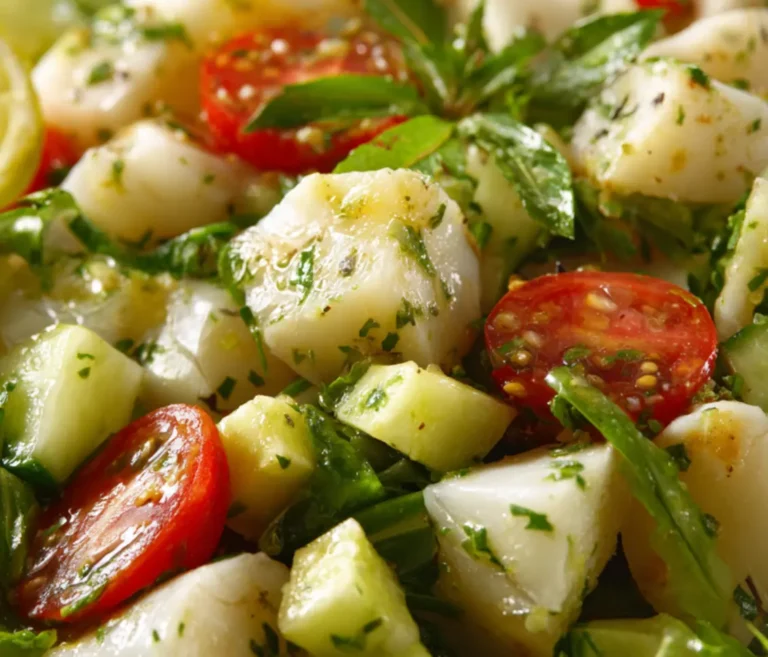
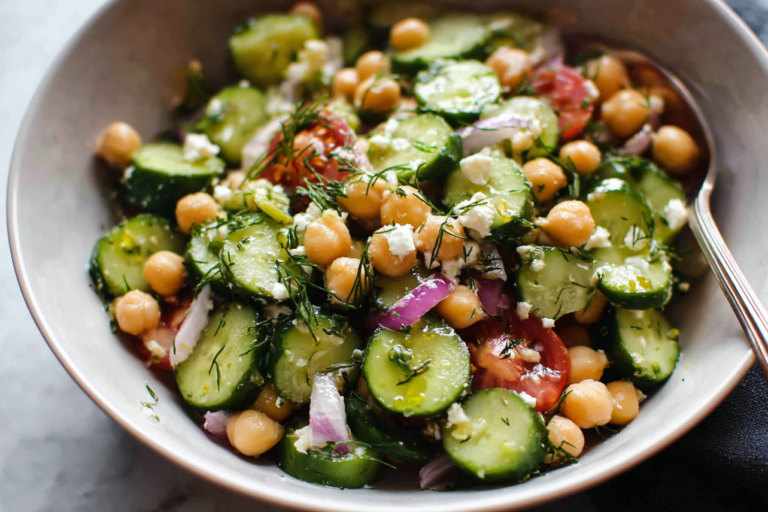
Fattoush salad is a vibrant Lebanese bread salad that celebrates the best of Mediterranean flavors with crisp vegetables, aromatic herbs, and toasted pita bread. This traditional dish features a refreshing combination of romaine lettuce, juicy tomatoes, cool cucumbers, and fresh herbs like parsley and mint, all brought together with a zesty sumac-infused dressing. What makes this fattoush salad recipe special is the delightful contrast of textures – from the crunch of toasted pita to the crisp vegetables and the bright, tangy dressing that ties everything together.
A Versatile Salad for Any Occasion
Fattoush is more than just a side dish in Middle Eastern cuisine; it’s a celebration of fresh ingredients and bold flavors. The fattoush dressing recipe combines lemon juice, olive oil, and the distinctive tart flavor of sumac, creating a perfect balance that complements the vegetables and crispy pita chips. Whether you’re looking for a light lunch, a side dish for grilled proteins, or a refreshing addition to your Mediterranean feast, this fatoush salad delivers with its perfect harmony of textures and flavors. Even if you’ve never tried middle eastern cucumber salad variations before, this approachable recipe will quickly become a favorite in your kitchen.
Ingredients for the Perfect Fattoush Salad
Fresh Vegetables and Herbs
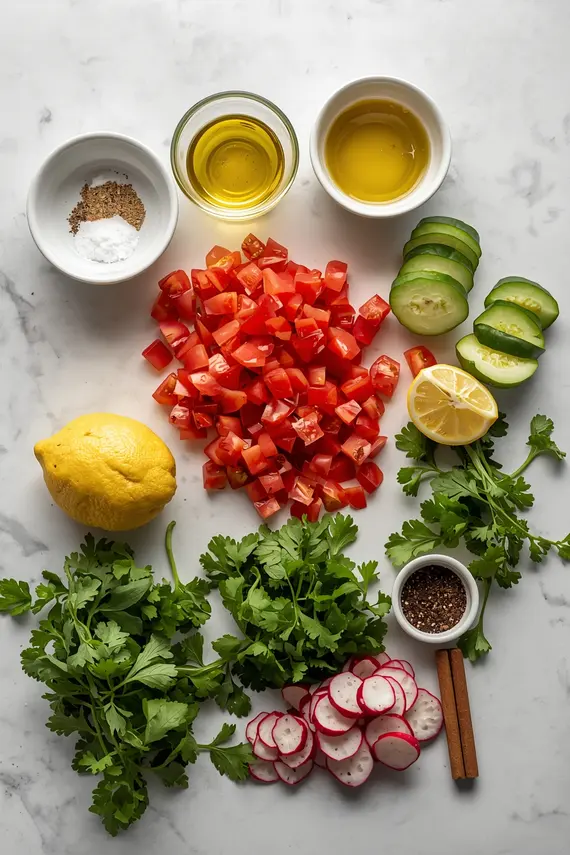
- 1 Heart of Romaine lettuce, chopped
- 1 English cucumber, cut in half, seeds scraped, then chopped or sliced into half moons
- 5 Roma tomatoes, chopped
- 5 green onions (both white and green parts), chopped
- 5 radishes, stems removed, thinly sliced
- 2 cups chopped fresh parsley leaves, stems removed
- 1 cup chopped fresh mint leaves (optional, but highly recommended)
For the Crispy Pita
- 2 pitas
- 3 tablespoons extra virgin olive oil
- Kosher salt
- 2 teaspoons sumac, divided, plus more as needed
For the Fattoush Dressing
- Juice of 1 lemon (or 1½ limes)
- ⅓ cup extra virgin olive oil
- 1 tablespoon pomegranate molasses (optional)
- Kosher salt, to taste
- Black pepper, to taste
- 1 teaspoon sumac
- ¼ teaspoon ground cinnamon
- ⅛ teaspoon ground allspice
How to Make Fattoush Salad
Preparing the Crispy Pita Bread
- Begin by lining a plate with paper towel and set aside.
- Break the pita bread into small bite-sized pieces.
- Heat a large skillet over medium heat and add 3 tablespoons of olive oil.
- Once the oil is shimmering, add the pita bread pieces.
- Fry briefly until golden brown and crispy, tossing frequently to ensure even cooking.
- Using tongs, transfer the fried pita chips to the paper-towel-lined plate to drain excess oil.
- While still warm, season the pita chips with a sprinkle of salt, pepper, and sumac.
Assembling the Salad
- In a large mixing bowl, combine the chopped romaine lettuce, cucumber, tomatoes, green onions, radishes, parsley, and mint (if using).
- Gently toss the vegetables to mix them evenly.
- In a small bowl, whisk together the lemon juice, olive oil, pomegranate molasses (if using), a pinch of salt and pepper, sumac, cinnamon, and allspice.
- Pour the dressing over the vegetable mixture and toss lightly to coat everything evenly.
- Add the crispy pita pieces just before serving and gently toss once more.
- Taste and add more sumac if desired for extra tanginess.
- Serve immediately to enjoy the perfect contrast of crisp vegetables and crunchy pita.
Tips & Variations for Your Fattoush Salad
Ingredient Substitutions
- Sumac Substitute: If you can’t find sumac, use a combination of lemon zest and a pinch of salt for a similar tangy flavor. While not identical to authentic sumac, this sumac replacement works well in a pinch.
- Pita Alternatives: No pita? Try using lavash chips or any flatbread toasted with olive oil until crisp. Even store-bought pita chips can work, though homemade ones have better flavor and texture.
- Common Purslane: If available, add some purslane to your fattoush for an authentic touch. This slightly lemony succulent is traditional in some fattoush variations.
- Herb Adjustments: While parsley for salad is essential, if you don’t have fresh mint, you can omit it or substitute with a smaller amount of dried mint.
- Pomegranate Molasses: If you don’t have this ingredient, substitute with 1 teaspoon of honey mixed with 1 teaspoon of lemon juice.
Texture and Flavor Enhancements
- For extra crunch, add toasted pine nuts or walnuts.
- Mix in some crumbled feta cheese for a creamy element (though not traditional).
- Add thinly sliced red onions soaked in sumac (sumac onions recipe) for additional zing.
- Include diced bell peppers for extra color and crunch.
- For a main dish fattoush, top with grilled chicken for a delicious chicken fattoush salad variation.
Salad Dressings That Pair Well With This Salad
Traditional and Modern Options
- Lemon Tahini Dressing: Combine tahini, lemon juice, garlic, and water for a creamy alternative that adds richness to the fattoush.
- Simple Garlic Vinaigrette: Mix olive oil, red wine vinegar, minced garlic, and herbs for a more Mediterranean-inspired option.
- Sumac Dressing Variation: For a stronger sumac flavor, increase the sumac in the original dressing and add a touch of honey for balance.
- Za’atar Vinaigrette: Combine olive oil, lemon juice, and za’atar spice blend for a complementary Middle Eastern flavor profile that enhances the herbs in the salad.
The traditional fattoush dressing recipe with its perfect balance of tangy lemon, fruity olive oil, and distinctive sumac creates a bright, zesty flavor profile that makes the vegetables shine. The optional pomegranate molasses adds a subtle sweetness that balances the acidity beautifully.
What to Serve With This Salad
Perfect Pairings for Your Fattoush
- Grilled Proteins: Serve alongside Grilled Lemon Herb Chicken for a complete meal with complementary flavors.
- Mediterranean Mains: Pair with falafel, kebabs, or baked fish for an authentic Middle Eastern feast.
- Grain Dishes: Serve with rice pilaf, couscous, or quinoa for a hearty vegetarian meal.
- Dips and Spreads: Hummus, baba ganoush, and tzatziki make excellent accompaniments.
- Warm Flatbreads: Fresh Lebanese pita bread on the side for scooping up salad.
- Soups: A light lentil soup creates a satisfying meal combination.
For a refreshing summer meal, pair your fattoush with Garlic Butter Grilled Shrimp for a light but satisfying combination of flavors and textures.
Storage Tips for Fattoush Salad
Keeping It Fresh
Fattoush salad is best enjoyed immediately after assembly, but if you need to prepare components ahead of time, here’s how to maintain freshness:
- Store Components Separately: Keep the chopped vegetables, herbs, dressing, and toasted pita bread in separate containers in the refrigerator.
- Vegetable Prep: The prepped vegetables will stay fresh for 1-2 days in the refrigerator in an airtight container.
- Dressing Storage: The fattoush dressing can be made up to 3 days in advance and stored in a jar in the refrigerator. Shake well before using.
- Pita Chips: Store cooled, crispy pita chips in an airtight container at room temperature for up to 2 days. If they soften, you can refresh them in a warm oven for a few minutes.
- Assembled Salad: If you have leftover assembled salad, it will keep for about 6 hours in the refrigerator, though the pita will soften over time.
For the best flavor and texture, assemble your fattoush salad just before serving, especially when adding the crispy pita pieces.

FAQs About Fattoush Salad
What is sumac and where can I find it?
Sumac is a deep red spice made from ground sumac berries with a tart, lemony flavor. It’s a key ingredient in Middle Eastern cuisine. You can find sumac at specialty grocery stores, Middle Eastern markets, or online retailers. If you can’t find it, use a mixture of lemon zest and a pinch of salt as a substitute.
How do I chop parsley for fattoush salad?
To properly chop parsley for salad, first rinse the bunch thoroughly and pat it dry. Remove the tough stems, then gather the leaves together in a tight bunch. Use a sharp knife to finely chop with a rocking motion. For fattoush, you want the parsley to be finely chopped but not mushed.
Can I make fattoush salad ahead of time?
You can prepare all the components ahead of time, but it’s best to assemble the salad just before serving. The vegetables and dressing can be prepped a day in advance and stored separately in the refrigerator. The pita chips should be made just before serving or stored in an airtight container. Add the pita chips and dressing right before serving to maintain the best texture.
Conclusion
A Fresh Addition to Your Recipe Collection
Fattoush salad brings the vibrant flavors of Lebanese cuisine to your table with its perfect blend of crisp vegetables, aromatic herbs, and tangy sumac dressing. The contrast between the crunchy toasted pita and fresh vegetables creates a textural experience that makes this salad truly special. Whether you’re serving it alongside grilled meats, as part of a Mediterranean mezze, or as a light meal on its own, fattoush offers a refreshing alternative to ordinary salads.
Making fattoush is also a wonderful way to use up leftover pita bread, transforming it into crispy, flavorful chips that elevate the entire dish. The beauty of this salad lies in its simplicity and adaptability – feel free to adjust the herbs and vegetables based on what’s fresh and available to you. Give this fatoush salad a try, and discover why this Middle Eastern classic has become beloved worldwide for its bright flavors and satisfying crunch.
Other Salads to Try

Authentic Fattoush Salad Recipe
Ingredients
Equipment
Method
- Break pita into small pieces and fry in 3 tablespoons olive oil over medium heat until golden and crisp, tossing frequently.
- Transfer crispy pita to a paper-towel-lined plate and season with salt, pepper, and sumac.
- Combine lettuce, cucumber, tomatoes, green onions, radishes, parsley, and mint in a large bowl.
- Whisk together lemon juice, 1/3 cup olive oil, pomegranate molasses (if using), salt, pepper, sumac, cinnamon, and allspice.
- Pour dressing over vegetables and toss gently to coat.
- Add crispy pita just before serving, toss once more, and adjust seasoning with additional sumac if desired.
Notes
- For best results, add the pita chips just before serving to maintain their crunch.
- The dressing can be made up to 3 days ahead and stored in the refrigerator.
- If you can’t find sumac, substitute with lemon zest and a pinch of salt.
- For a main dish, top with grilled chicken or other protein of choice.
- Store components separately if preparing ahead of time.