Miso Vinaigrette: The Ultimate Homemade Dressing for Vibrant Salads
Miso vinaigrette brings an umami-rich depth to salads that few other dressings can match. This traditional Japanese ingredient transforms ordinary greens into extraordinary culinary experiences with its complex, savory profile. When combined with bright citrus, nutty sesame oil, and a touch of ginger, miso paste creates a perfectly balanced dressing that will elevate your salad game instantly. Whether you’re a long-time fan of Asian flavors or just discovering the wonders of miso sauce, this versatile dressing delivers restaurant-quality taste with minimal effort.
Where to Use Your Miso Dressing
This miso salad dressing recipe goes far beyond basic green salads. Drizzle it over grain bowls, roasted vegetables, or cold noodle dishes for an instant flavor upgrade. Use it as a marinade for tofu, chicken, or fish, or as a dipping sauce for fresh spring rolls. The ginger miso dressing adds brightness to hearty proteins and brings cohesion to composed salads with multiple components. Its versatility makes it perfect for meal prep—prepare once and enjoy throughout the week on everything from quick lunch bowls to elaborate dinner spreads.
Miso Vinaigrette Ingredients: Simple Pantry Staples
The Foundation of Your Miso Dressing
Creating the perfect miso vinaigrette requires just a handful of ingredients that work harmoniously to deliver maximum flavor. Here’s what you’ll need:
- 2 tablespoons white miso paste
- ½ teaspoon grated ginger (or more if you love ginger like I do)
- 4 tablespoons extra virgin olive oil
- 1 tablespoon sesame oil
- 1 tablespoon rice wine vinegar
- 2 tablespoons soy sauce or tamari (I use salt-reduced)
- Juice of ½ lemon or lime
- 1-2 teaspoons water (if needed)
- Optional: 1 teaspoon honey or maple syrup if you prefer it on the sweeter side
Understanding Miso: The Star Ingredient
Miso paste is a traditional Japanese seasoning made by fermenting soybeans with salt and koji (a type of fungus). White miso, also called shiro miso, is fermented for a shorter period, giving it a milder, sweeter flavor than its darker counterparts. This makes it perfect for dressings, as it provides umami depth without overpowering other ingredients. The fermentation process not only creates complex flavors but also produces beneficial probiotics that support gut health. When shopping for miso paste, look for it in the refrigerated section of Asian markets or well-stocked grocery stores.
How to Make Miso Vinaigrette: Easy Step-by-Step Instructions
Mixing Your Perfect Miso Dressing
Creating this ginger miso dressing couldn’t be simpler. Follow these straightforward steps for a smooth, flavorful vinaigrette every time:
- In a medium bowl or mason jar, combine all the liquid ingredients: olive oil, soy sauce, sesame oil, rice wine vinegar, and lemon or lime juice.
- Add the white miso paste and finely grated ginger to the liquid mixture.
- Whisk vigorously until the miso is fully incorporated and no clumps remain. For an ultra-smooth texture, you can use a blender or food processor instead.
- Taste the miso vinaigrette and adjust as needed. If it’s too thick, add a teaspoon or two of water to reach your desired consistency.
- If you prefer a sweeter dressing, incorporate the optional honey or maple syrup.
- Use immediately or store in a sealed container in the refrigerator.
Troubleshooting Your Miso Sauce
Even experienced cooks can encounter challenges when making emulsified dressings. If your miso vinaigrette separates or doesn’t blend smoothly, try these solutions:
- If using a bowl and whisk, ensure you’re whisking continuously and vigorously to properly incorporate the miso paste.
- For stubborn clumps, press the miso against the side of the bowl with the back of a spoon before whisking again.
- A small immersion blender works wonders for creating a perfectly emulsified dressing.
- If the dressing seems too salty, add a bit more oil or a splash of water to balance the flavors.
- For extra creaminess, blend in half an avocado or a tablespoon of tahini.
Miso Vinaigrette Tips and Variations: Customize Your Asian Dressing
Flavor Adjustments for Your Miso Dressing
One of the best things about homemade miso vinaigrette is how easily it can be customized to suit your preferences:
- Spice it up: Add a teaspoon of sriracha or a pinch of red pepper flakes for heat.
- Herb infusions: Fresh cilantro, mint, or Thai basil can add bright, aromatic notes.
- Garlic lover’s version: Add 1-2 cloves of minced garlic for extra punch.
- Creamy adaptation: Blend in a tablespoon of Greek yogurt or tahini for a richer texture.
- Citrus variations: Try orange or grapefruit juice instead of lemon/lime for a different flavor profile.
- Lower sodium option: Reduce the soy sauce and increase the acid components.
- Extra ginger kick: Double the ginger for a more pronounced spicy note.
Ingredient Substitutions for Miso Sauce
Need to accommodate dietary restrictions or missing an ingredient? Here are smart substitutions for your miso dressing recipe:
- No miso paste? While not identical, tahini with a splash of soy sauce can provide similar creaminess and umami.
- Oil alternatives: Avocado oil can replace olive oil for a more neutral flavor.
- Acid options: Apple cider vinegar can substitute for rice vinegar in a pinch.
- Gluten-free needs: Ensure you use gluten-free tamari instead of regular soy sauce.
- Soy-free version: Coconut aminos can replace soy sauce/tamari.
- Sugar-free sweetening: Use a few drops of liquid stevia instead of honey/maple syrup.
Transforming into a Miso Glaze
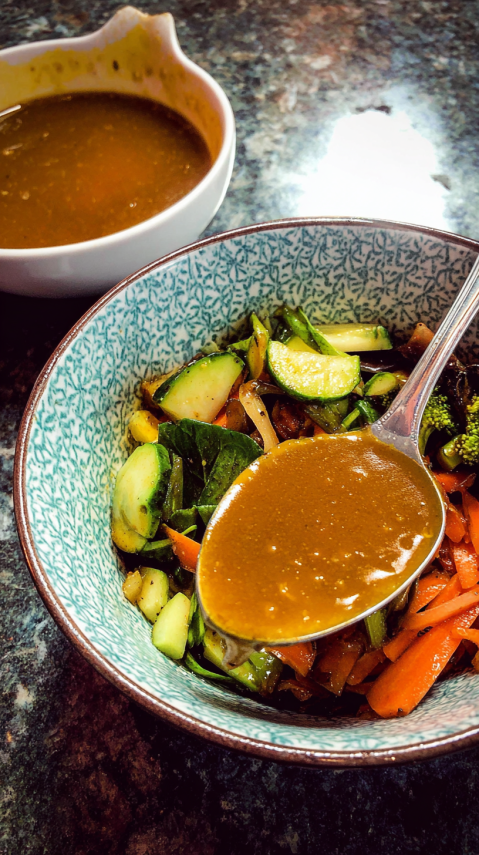
With a few simple adjustments, this miso vinaigrette can become a fantastic miso glaze for roasted vegetables, fish, or chicken:
- Reduce the liquid components by half.
- Increase the miso paste to 3 tablespoons.
- Add 1-2 tablespoons of honey or maple syrup.
- Simmer in a small saucepan until slightly reduced and thickened.
- Brush onto protein or vegetables in the last few minutes of cooking.
Serving Ideas: Perfect Pairings for Your Miso Ginger Dressing
Salads That Shine with Miso Vinaigrette
This versatile miso lime vinaigrette works beautifully with countless salad combinations:
- Asian-inspired greens: Toss with napa cabbage, carrots, snap peas, and cilantro for a crunchy slaw.
- Hearty grain bowls: Drizzle over quinoa or brown rice topped with edamame, avocado, and cucumber.
- Protein-packed options: Use as dressing for a salad of mixed greens, grilled chicken or tofu, mandarin oranges, and sliced almonds.
- Noodle salads: Toss with soba or rice noodles, bell peppers, green onions, and sesame seeds.
- Roasted vegetable medley: Dress warm roasted sweet potatoes, broccoli, and bell peppers for a satisfying side dish.
- Simple cucumber salad: For a light appetizer, slice cucumbers thinly and dress with this miso ginger salad dressing.
Beyond Salads: Creative Uses for Miso Salad Dressing
Your homemade miso sauce can do so much more than just dress greens:
- Marinade magic: Use as a 30-minute marinade for salmon, chicken, or tofu before grilling or roasting.
- Grain enhancer: Stir into plain rice or quinoa for an instant flavor boost.
- Dipping delight: Serve as a dipping sauce for fresh spring rolls, steamed dumplings, or grilled shrimp for a savory twist.
- Sandwich spread: Use in place of mayonnaise on wraps and sandwiches.
- Roasted vegetable drizzle: Toss vegetables in a light coating before roasting, then add another drizzle when serving.
- Buddha bowl dressing: Top any grain bowl with this versatile sauce for a cohesive, flavorful meal.
Storing Your Homemade Miso Vinaigrette: Keeping It Fresh
Refrigeration and Shelf Life of Miso Dressing
Proper storage ensures your miso ginger dressing maintains its flavor and food safety:
The natural fermentation in miso paste helps this dressing last longer than many homemade options. Store in an airtight container (mason jars work perfectly) in the refrigerator for up to 2 weeks. The oils in the dressing will naturally solidify when chilled, so remove it from the refrigerator 10-15 minutes before using, or run the sealed container under warm water briefly. Always give the dressing a good shake or stir before using, as separation is natural with oil-based dressings.
If the dressing thickens too much during storage, simply add a teaspoon of water and shake vigorously to restore the desired consistency. While freezing isn’t ideal for oil-based dressings, you can freeze miso paste itself in small portions to always have it ready for fresh batches of dressing.
Other Asian Dressings to Try
FAQs About Miso Vinaigrette
Can I make miso vinaigrette without sesame oil?
Yes, you can substitute the sesame oil with additional olive oil or another neutral oil like avocado oil. The sesame oil provides a distinct nutty flavor characteristic of Asian dressings, but the miso vinaigrette will still be delicious without it. For a similar nutty note, consider adding a teaspoon of tahini or a sprinkle of toasted sesame seeds.
Is miso dressing healthy?
Miso dressing offers several nutritional benefits. Miso paste is a fermented food containing beneficial probiotics that support gut health. It’s also a good source of essential minerals, vitamins, and protein. The oils in the dressing provide heart-healthy fats, while ginger adds anti-inflammatory properties. This dressing is generally lower in sugar and artificial ingredients than store-bought options. However, miso does contain sodium, so those on sodium-restricted diets should use it moderately.
What type of miso is best for salad dressing?
White miso paste (shiro miso) is ideal for salad dressings due to its milder, slightly sweet flavor profile that won’t overpower other ingredients. It creates a balanced miso salad dressing recipe that complements rather than dominates. Yellow miso (shinshu miso) also works well and has a slightly stronger flavor. Red miso (aka miso) is more intensely flavored and saltier—while it can be used, you’ll want to reduce the quantity and possibly add more sweetener to balance it.
Conclusion: Elevate Your Salads with Homemade Miso Vinaigrette
Why This Miso Ginger Dressing Will Become a Staple
Once you’ve experienced the depth and complexity of homemade miso vinaigrette, store-bought dressings will pale in comparison. This adaptable miso sauce recipe strikes the perfect balance of umami, tang, sweetness, and salt—the fundamental elements that make our taste buds sing. Its versatility makes it valuable for countless dishes beyond salads, from marinades to grain bowls to dipping sauces. The best part? It takes just minutes to prepare but delivers restaurant-quality flavor that will transform even the simplest ingredients into memorable meals.
Explore More Homemade Dressing Adventures
Now that you’ve mastered this miso ginger salad dressing, why not expand your homemade dressing repertoire? Creating your own dressings not only allows you to customize flavors exactly to your preference but also eliminates the preservatives and excess sugars found in many commercial options. Consider trying a tahini-based dressing, a vibrant citrus vinaigrette, or a creamy avocado dressing next. Each homemade option opens new possibilities for your salads and other dishes. Remember, the best salad dressings are the ones that inspire you to eat more vegetables—and this miso vinaigrette certainly does just that!
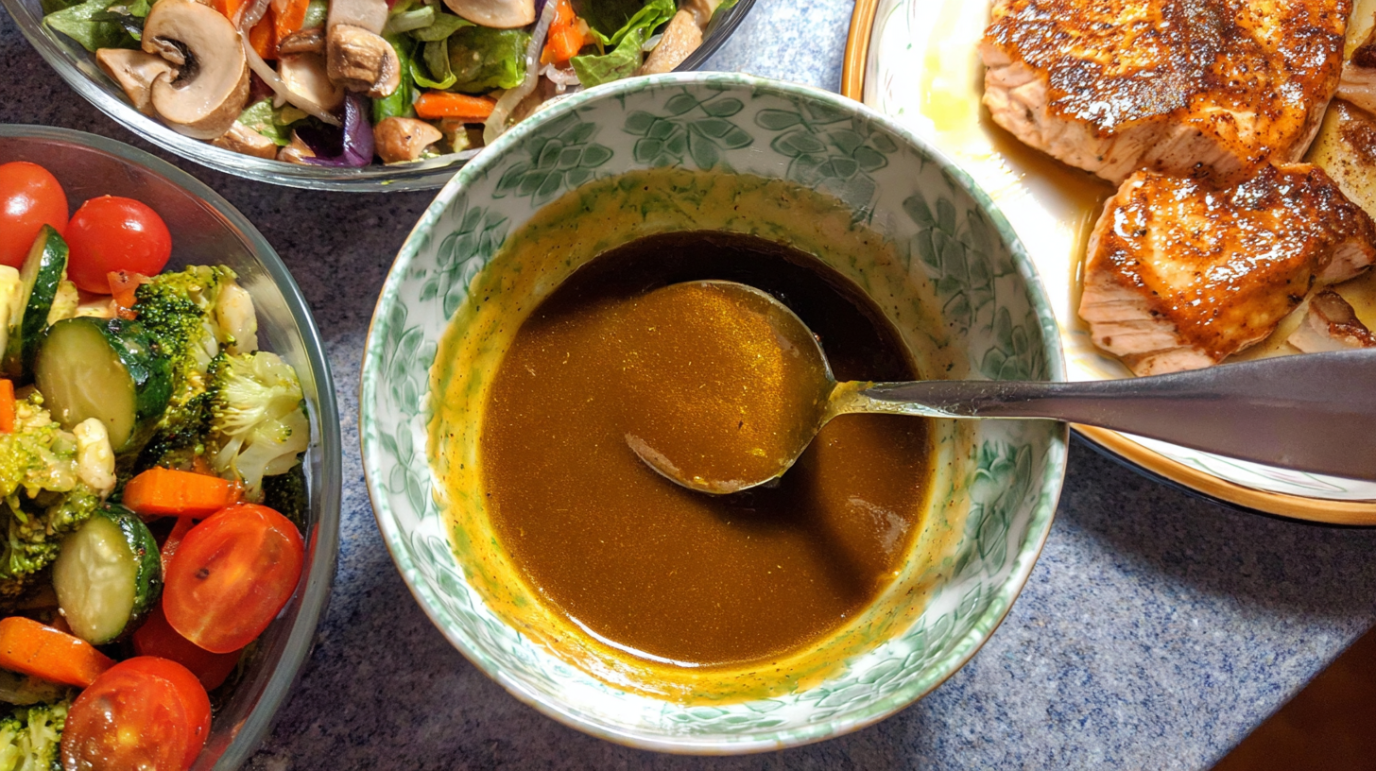
Homemade Miso Vinaigrette
Ingredients
Equipment
Method
- In a bowl or mason jar, combine olive oil, soy sauce, sesame oil, rice wine vinegar, and lemon or lime juice.
- Add the miso paste and finely grated ginger.
- Whisk vigorously until well combined and no clumps remain.
- Taste and adjust consistency with water if needed. Add honey or maple syrup if you prefer a sweeter dressing.
- Use immediately or store in a sealed container in the refrigerator.
Notes
- Store in an airtight container in the refrigerator for up to 2 weeks.
- Shake well before using, as separation is natural.
- For a creamier variation, blend with half an avocado.
- For a spicy kick, add sriracha or red pepper flakes.