Easy Bold Gluten Free Salad Dressing for Your Next-Level Summer Salads
Gluten free salad dressing is the perfect way to elevate your healthy meals while accommodating dietary restrictions. This simple yet flavorful vinaigrette comes together in minutes using pantry staples and contains no hidden gluten or dairy that can lurk in store-bought options.
Whether you’re drizzling it over a fresh garden salad, using it as a marinade for grilled vegetables, or keeping it on hand for quick meal prep, this versatile dressing adds bright, zesty flavor to countless dishes while remaining allergen-friendly.
Perfect Gluten Free Salad Dressing: Quick, Versatile and Allergen-Friendly
Why Make Your Own Gluten Free Dressing?
Making your own gluten free salad dressing isn’t just about accommodating dietary restrictions—it’s about crafting a fresh, vibrant flavor that store-bought options simply can’t match. Many commercial dressings contain hidden gluten in additives and stabilizers, along with preservatives and excess sugar that diminish both taste and nutritional value. When you create your own dairy free salad dressing at home, you control every ingredient, ensuring it’s not only gluten-free but also tailored perfectly to your flavor preferences.
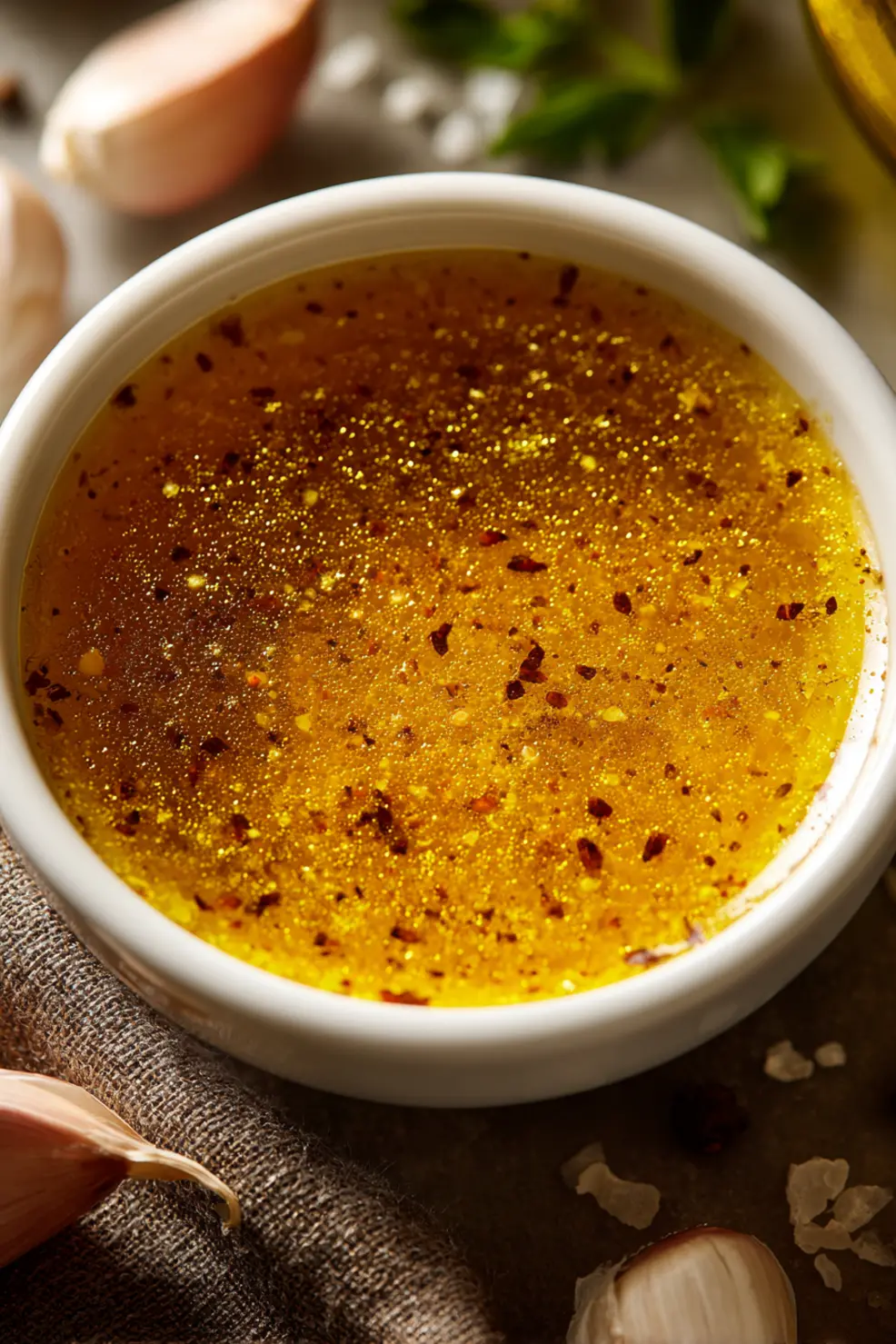
This zesty lime vinaigrette variation brings a bright, citrusy twist to the classic vinaigrette formula. The simplicity of this recipe belies its complex flavor profile—tangy, slightly sweet, with aromatic notes from fresh herbs and a subtle warmth from minced garlic. Plus, it comes together in under five minutes with ingredients you likely already have in your pantry.
Health Benefits of Homemade Dressings
This quick gluten free dressing delivers more than just great taste—it’s packed with nutritional benefits. The extra-virgin olive oil base provides heart-healthy monounsaturated fats and antioxidants that support overall wellness. Apple cider vinegar adds a probiotic element that may aid digestion, while fresh garlic contains immune-boosting compounds.
Unlike many commercial options, this gluten free vinaigrette contains no artificial preservatives, colors, or flavors. For those with multiple food sensitivities, this recipe is naturally dairy-free and can be easily modified to accommodate vegan diets by substituting the honey with maple syrup. The clean ingredient list makes this dressing suitable for nearly any eating plan, from paleo to Mediterranean to Whole30 (with honey omitted).
Essential Ingredients for a Perfect Gluten Free Vinaigrette
Base Ingredients That Create Magic
- 1/2 cup extra-virgin olive oil (use a good quality oil for best flavor)
- 3 tbsp apple cider vinegar (raw, unfiltered preferred for more flavor complexity)
- 1 tsp Dijon mustard (check label to ensure it’s gluten-free)
- 1 tsp honey (optional, substitute maple syrup for vegan version)
- 1 small garlic clove, minced (or 1/4 tsp garlic powder)
- 1/4 tsp sea salt (or to taste)
- Freshly ground black pepper to taste
Optional Flavor Enhancers
- 2 tbsp fresh lime juice + 1 tsp lime zest (for zesty lime vinaigrette version)
- 1 tbsp fresh herbs (chopped parsley, dill, basil, or cilantro)
- 1/2 tsp dried herbs (oregano, thyme, or Italian herb blend)
- 1/4 tsp red pepper flakes (optional, for heat)
- 1 small shallot, finely minced (optional)
- 1 tsp nutritional yeast (optional, adds a cheesy flavor while keeping it dairy free)
Simple Step-by-Step Instructions for Foolproof Gluten Free Dressing
Basic Preparation Method
- In a medium bowl, combine the olive oil, apple cider vinegar, Dijon mustard, honey (if using), and minced garlic. For the zesty lime version, add the lime juice and zest at this stage.
- Whisk vigorously for 30-60 seconds until the mixture emulsifies and thickens slightly. You’ll notice the dressing becoming more opaque as it emulsifies – this is the perfect consistency.
- Season with salt and freshly ground black pepper, starting with 1/4 teaspoon of salt and adding more to taste. If using any dried herbs, add them now so they can begin to infuse.
- Taste the gluten free salad dressing and adjust the components as needed. For more acidity, add additional vinegar or lime juice; for more sweetness, incorporate a bit more honey; for more depth, add a pinch more salt.
- If using fresh herbs or shallots, fold them in gently after the dressing has emulsified. This preserves their bright flavor and prevents them from getting lost in the mixing process.
- Transfer the finished dressing to a sealed glass jar or container with a tight-fitting lid. Store in the refrigerator for up to one week, shaking well before each use as separation will naturally occur.
Alternative Mixing Methods
- Mason Jar Method: Combine all ingredients in a mason jar, secure the lid tightly, and shake vigorously for 30-60 seconds until emulsified. This method is perfect for making and storing the dressing in the same container.
- Blender Method: For an ultra-smooth, perfectly emulsified gluten free vinaigrette, combine all ingredients in a small blender or food processor and pulse until completely incorporated. This works especially well when incorporating fresh herbs or garlic for a smoother texture.
- Immersion Blender Method: Place all ingredients in a tall, narrow container and use an immersion blender to quickly emulsify the dressing in seconds. This creates the most stable emulsion that will resist separating for longer.
Expert Tips & Creative Variations for Your Gluten Free Dressing
Pro Techniques for Perfect Results
- Temperature matters: Remove dressing ingredients from the refrigerator 15-20 minutes before mixing. Room temperature ingredients emulsify more easily than cold ones.
- Add the oil last and slowly: For the most stable emulsion, whisk together all other ingredients first, then slowly drizzle in the olive oil while continuing to whisk.
- The mustard is key: Don’t skip the Dijon mustard—it contains natural emulsifiers that help the oil and vinegar blend together and stay combined longer.
- Balance is essential: The perfect gluten free vinaigrette follows a ratio of roughly 3 parts oil to 1 part acid (vinegar or citrus juice). Adjust this ratio slightly based on your taste preferences.
- Test before serving: Dip a lettuce leaf into the dressing, shake off the excess, and taste. This gives you the true flavor experience as it will be on your salad.
- For a creamier dairy free salad dressing, add 1 tablespoon of tahini or a quarter of an avocado and blend until smooth.
- To thicken without dairy, add 1 teaspoon of chia seeds and let the dressing sit for 10 minutes before using.
Flavor Variations to Try
- Herb Garden: Add 2 tablespoons of mixed fresh herbs like basil, parsley, chives, and tarragon for a garden-fresh twist.
- Mediterranean: Incorporate 1 teaspoon of dried oregano, 1 tablespoon of finely chopped olives, and a pinch of lemon zest.
- Asian-Inspired: Replace the apple cider vinegar with rice vinegar, add 1 teaspoon of gluten-free tamari, 1/2 teaspoon of sesame oil, and a small amount of grated ginger.
- Berry Infusion: Add 1 tablespoon of pureed strawberries or raspberries for a fruity summer variation.
- Maple Balsamic: Substitute balsamic vinegar for the apple cider vinegar and use maple syrup instead of honey for a rich, slightly sweet profile.
Creative Serving Ideas for Your Homemade Gluten Free Dressing
Perfect Pairings with Salads
- This zesty lime vinaigrette adds the perfect tangy complement to a Creamy Cucumber Dill Salad, balancing the cool creaminess with bright acidity.
- Drizzle this gluten free salad dressing over a Classic Italian Antipasto Salad for an allergen-friendly twist that enhances the Mediterranean flavors without compromising dietary needs.
- Transform a simple Easy Rotisserie Chicken Salad into a gourmet meal by replacing mayo with this dairy free salad dressing for a lighter, more flavorful profile.
Beyond Salads
- Use as a marinade for grilled vegetables or chicken, allowing them to soak for at least 30 minutes before cooking for maximum flavor infusion.
- Drizzle over roasted potatoes or sweet potatoes just after they come out of the oven for a zesty finish that elevates the simple side dish.
- Add a fresh dimension to your holiday table by drizzling this gluten free vinaigrette over a cranberry salad for a unique sweet-tart combination that complements traditional festive flavors.
Entertaining with Homemade Dressings
- Create a salad bar for gatherings with this gluten free salad dressing as the centerpiece. Serve in a clear glass bottle with a handwritten label for an elegant presentation.
- Pour into small individual ramekins for dinner guests to control their own dressing portions while showcasing your homemade creation.
- Package in decorative bottles as homemade gifts with a list of ingredients attached for friends with dietary restrictions—they’ll appreciate the thoughtful, allergen-friendly option.
Proper Storage Techniques for Maximum Freshness and Flavor
Container Selection and Preparation
The right storage container makes all the difference in preserving your gluten free salad dressing’s quality and extending its shelf life. Glass containers are the gold standard—they don’t absorb flavors or odors and won’t react with the acidic components in your dressing. Mason jars, recycled glass bottles with tight-fitting lids, or dedicated salad dressing containers with pouring spouts all work excellently.
Before storing your freshly made dressing, ensure your container is completely clean and dry. Any water residue or food particles can become breeding grounds for bacteria and significantly reduce the dressing’s shelf life. If you’re reusing a container, sterilize it by washing in hot, soapy water and allowing it to air dry completely, or run it through a dishwasher cycle.
Refrigeration and Usage Guidelines
This homemade gluten free vinaigrette should be stored in the refrigerator and will maintain peak freshness for up to one week. The olive oil may solidify slightly when chilled—this is completely normal and a sign of quality olive oil. Simply remove the dressing from the refrigerator about 15-20 minutes before serving to allow it to return to room temperature, or run the sealed container under warm water for a minute.
Always shake your dressing vigorously before each use, as natural separation will occur. This is expected with homemade dressings that don’t contain artificial stabilizers. If your dressing becomes too thick after refrigeration, you can thin it by adding a teaspoon of water or lemon juice and shaking well.
For the freshest flavor, consider making smaller batches more frequently rather than one large batch. The aromatics like garlic and herbs will diminish in potency over time, so a fresh batch every 5-7 days ensures the brightest flavor profile for your gluten free dressing.
FAQs About Gluten Free Salad Dressing
Why does my homemade gluten free dressing separate after storing?
Separation is completely natural and expected with homemade dressings. Unlike commercial products, your homemade gluten free vinaigrette doesn’t contain artificial emulsifiers or stabilizers. The science behind it is simple: oil and water-based ingredients (like vinegar) naturally want to separate. That’s why we include Dijon mustard in the recipe—it contains natural emulsifiers that help slow this process. Simply shake your dressing vigorously before each use to recombine the ingredients.
Can I make this dressing completely sugar-free?
Absolutely! While our recipe includes a small amount of honey for balance, you can easily make this gluten free salad dressing sugar-free. Simply omit the honey entirely, or replace it with a few drops of liquid stevia if you still want that touch of sweetness. Some people also find that using a sweeter vinegar like balsamic can provide natural sweetness without added sweeteners. Just remember that the honey also helps slightly with emulsification, so your dressing might separate a bit more quickly without it.
Why is my dressing too acidic or too oily?
The perfect gluten free vinaigrette is all about balance. If your dressing tastes too acidic, gradually whisk in more olive oil, about a tablespoon at a time, until you reach your desired taste. Conversely, if it’s too oily, add more acid (vinegar or citrus juice) in small increments. Remember the classic vinaigrette ratio is roughly 3 parts oil to 1 part acid, but this can be adjusted to personal preference. Adding a tiny bit more honey or sweetener can also help balance excessive acidity without diluting the flavor.
Embrace the Joy of Homemade Gluten Free Dressings
Your Gateway to Customized Healthy Eating
Creating your own gluten free salad dressing is more than just a cooking skill—it’s a gateway to healthier eating and greater dietary freedom. Once you master this basic recipe, you’ll find yourself experimenting with different flavors, adapting to seasonal ingredients, and confidently accommodating any dietary restriction that comes your way.
The beauty of homemade dressings lies in their versatility and purity. Free from hidden gluten, dairy, and preservatives, this zesty lime vinaigrette becomes a trusted staple in your kitchen arsenal. Whether you’re managing celiac disease, embracing a dairy-free lifestyle, or simply seeking cleaner eating habits, this quick gluten free dressing puts you in control of what goes into your food.
So grab your whisk, select your favorite flavor variation, and discover just how simple and rewarding it is to create restaurant-quality gluten free vinaigrette in your own kitchen. Your salads—and your body—will thank you.
Other Salad Dressings to Try
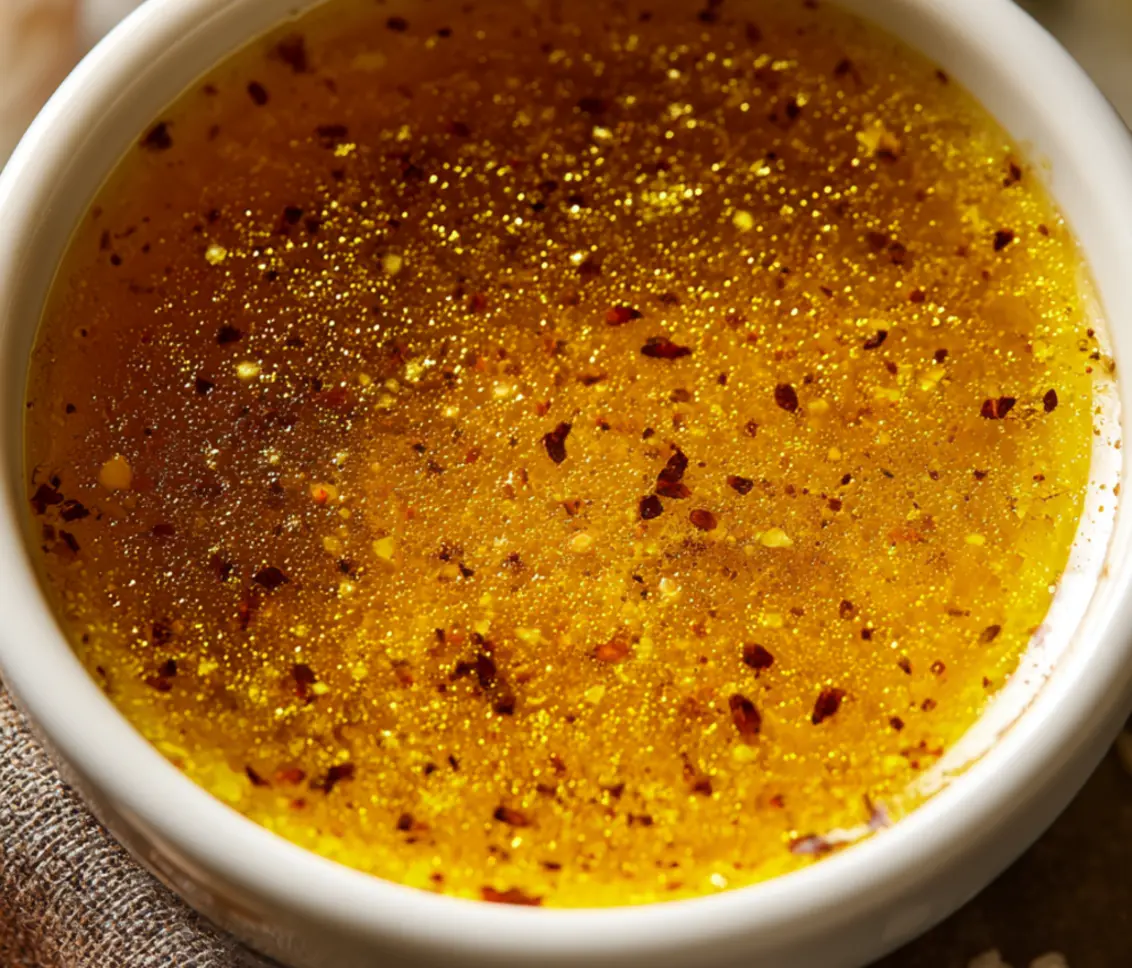
Gluten Free Zesty Lime Vinaigrette
Ingredients
Equipment
Method
- In a medium bowl, combine olive oil, apple cider vinegar, Dijon mustard, honey (if using), and minced garlic. For the zesty lime version, add the lime juice and zest.
- Whisk vigorously for 30-60 seconds until the mixture emulsifies and thickens slightly. The dressing should become more opaque as it emulsifies.
- Season with salt and freshly ground black pepper, starting with 1/4 teaspoon of salt and adding more to taste.
- Taste the dressing and adjust as needed. For more acidity, add additional vinegar or lime juice; for more sweetness, incorporate more honey; for more depth, add a pinch more salt.
- If using fresh herbs, fold them in gently after the dressing has emulsified.
- Transfer to a sealed glass jar or container with a tight-fitting lid. Store in the refrigerator for up to one week, shaking well before each use.
Notes
- For a creamier dairy-free variation, add 1 tablespoon of tahini or a quarter of an avocado and blend until smooth.
- The dressing will naturally separate when stored—this is normal and expected. Simply shake well before each use.
- If dressing solidifies when refrigerated, let it sit at room temperature for 10-15 minutes before using.
- For best flavor, use a high-quality extra virgin olive oil.