Easy Crave-Worthy Lebanese Salad for Fresh Summer Feasts
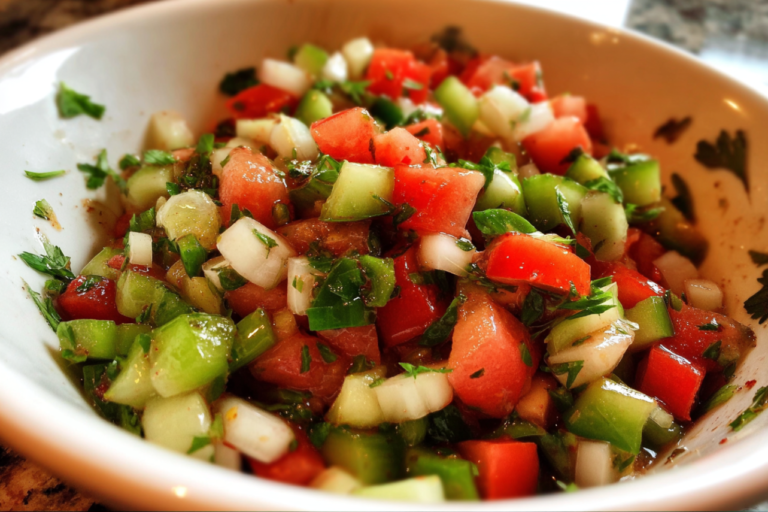
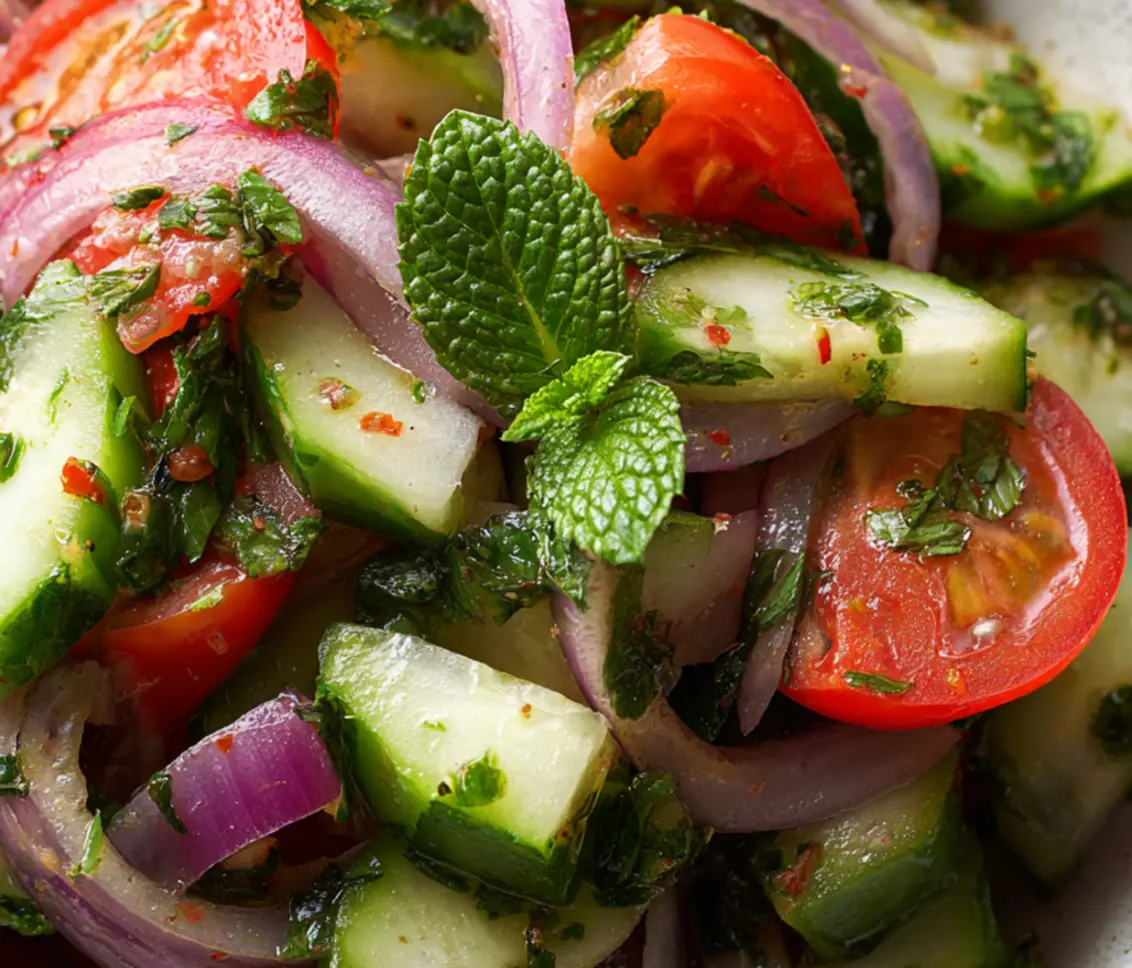
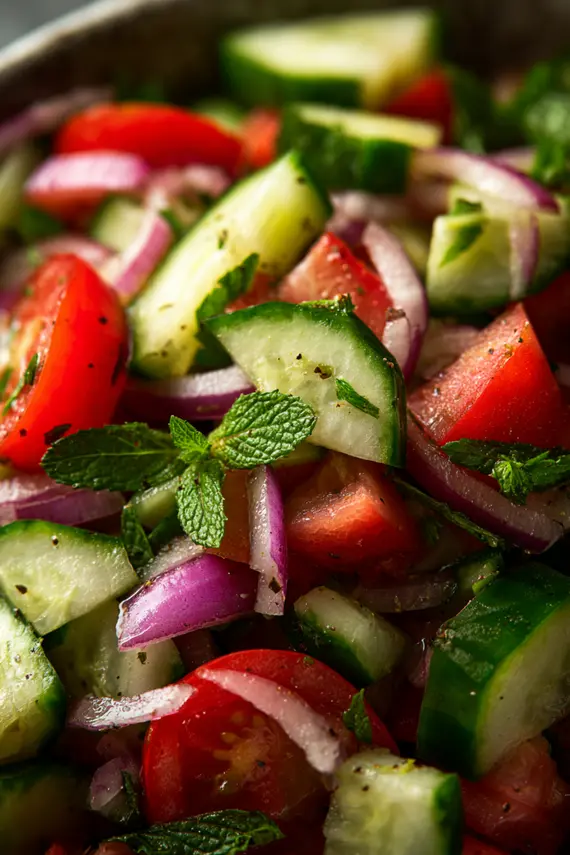
Lebanese salad is a vibrant celebration of fresh, crisp vegetables and aromatic herbs that captures the essence of Mediterranean cuisine in every bite. This traditional dish combines diced cucumbers, juicy tomatoes, and zesty red onions with an abundance of fresh herbs and a simple lemon-olive oil dressing that lets the natural flavors shine.
Perfect as a light lunch or as an accompaniment to grilled meats, this refreshing salad is not only bursting with flavor but also packed with nutrients. The simplicity of preparation belies its complex taste profile – tangy, herbaceous, and utterly satisfying. Let’s discover how to create this Mediterranean classic in your own kitchen.
Fresh Mediterranean Ingredients for an Authentic Lebanese Salad
Everything You Need
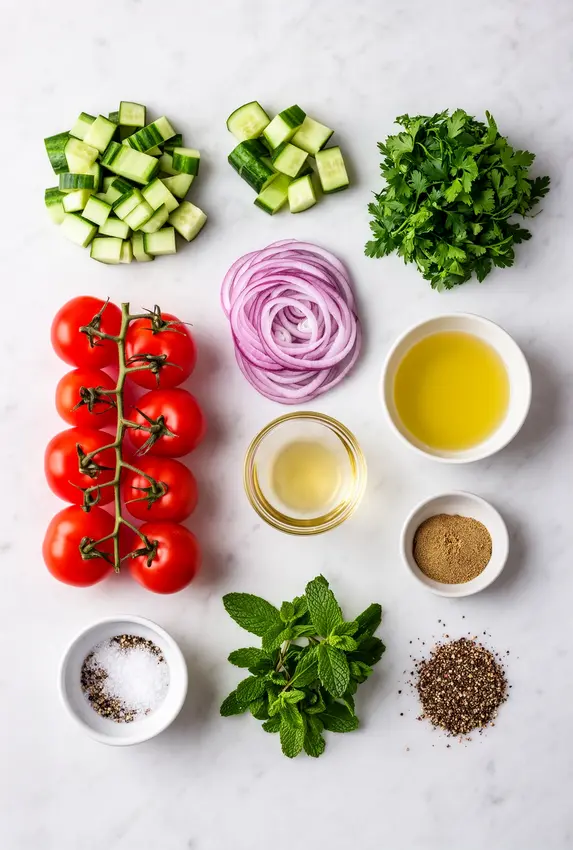
- 2 medium cucumbers, diced (preferably Persian or English)
- 3 medium tomatoes, diced (Roma or vine-ripened)
- 1 small red onion, thinly sliced
- 1 cup fresh parsley, finely chopped
- ½ cup fresh mint, finely chopped
- 3 tablespoons fresh lemon juice (approximately 1 large lemon)
- ¼ cup extra-virgin olive oil (high quality preferred)
- 1 teaspoon salt (or to taste)
- ½ teaspoon freshly ground black pepper
- 1 bell pepper, diced (optional)
- 1 cup chickpeas, rinsed and drained (optional)
- ½ cup crumbled feta cheese (optional)
- 2 tablespoons sumac for garnish (optional)
- ¼ cup fresh mint leaves for garnish (optional)
Creating the Perfect Lebanese Salad: Step-by-Step Instructions
How to Make It Perfectly
- Dice the cucumber and tomatoes into uniform bite-size pieces (about ½-inch cubes). For the best texture, remove the seeds from the cucumbers if they’re large or watery.
- Thinly slice the red onion into half-moons. If the onion flavor is too strong, soak the slices in cold water for 5-10 minutes, then drain and pat dry to mellow the flavor.
- Chop the parsley and mint very finely. In authentic Lebanese salad, the herbs are abundant—they’re not just a garnish but a key component of the salad.
- In a small bowl, whisk together fresh lemon juice, extra-virgin olive oil, salt, and black pepper until well combined and slightly emulsified. Taste and adjust seasoning if necessary.
- In a large serving bowl, combine the diced cucumber, tomatoes, red onion, chopped parsley, and mint. If using optional ingredients like bell peppers or chickpeas, add them now.
- Pour the lemon-olive oil dressing over the vegetable mixture and toss gently but thoroughly to ensure all ingredients are coated evenly with the dressing.
- If using feta cheese, sprinkle it over the top just before serving to maintain its texture and appearance.
- For an authentic touch, dust the salad lightly with sumac for a beautiful color contrast and subtle tangy flavor.
- Serve immediately for maximum freshness and crispness, or chill for 15-20 minutes to allow the flavors to meld together beautifully.
Essential Tips and Delicious Variations for Your Lebanese Salad
Simple Ways to Customize the Recipe
- For authentic texture, dice the vegetables small and uniform—this allows the dressing to coat everything evenly and creates a more cohesive flavor profile.
- Add a handful of bulgur wheat (pre-soaked) to transform your Lebanese salad into something closer to traditional tabbouleh, adding wonderful texture and making it more substantial.
- For extra protein and Mediterranean flair, incorporate chickpeas or white beans—they complement the fresh vegetables perfectly while making the salad more satisfying as a main dish.
- Experiment with fresh herbs: while parsley and mint are traditional, you can also add small amounts of dill, cilantro, or za’atar for interesting flavor variations.
- For a more robust version, include diced bell peppers (red, yellow, or orange) for added color, crunch, and vitamin C.
- Allow the salad to rest for 15-30 minutes before serving to let the flavors develop, but add any crunchy elements like toasted pine nuts or pita chips just before serving.
- If serving to guests, consider arranging the salad on a bed of fresh romaine or butter lettuce leaves for an elegant presentation that maintains the traditional flavors.
Salad Dressings That Pair Well With Lebanese Salad
Complementary Homemade Dressings
- While the traditional lemon-olive oil dressing is perfect for Lebanese salad, you can elevate your salad experience with this Easy Lemon Vinaigrette that adds extra depth and brightness.
- For a slightly sweeter variation that still complements the Mediterranean flavors, try this Homemade Honey Lime Dressing which pairs beautifully with the fresh herbs.
- When you want to add a unique twist to your Lebanese salad, this Cilantro Lime Vinaigrette introduces complementary flavors that enhance the freshness of the vegetables without overpowering the delicate herb balance.
What to Serve With Authentic Lebanese Salad
Main Dishes That Complement Your Salad
Lebanese salad pairs wonderfully with grilled or roasted meats, particularly Middle Eastern favorites like shawarma, kebabs, or grilled lamb chops. The bright, fresh flavors of the salad provide the perfect counterpoint to rich, savory proteins. For a complete Lebanese feast, serve the salad alongside hummus, baba ghanoush, and warm pita bread.
For seafood lovers, this salad makes an excellent side dish for grilled fish, particularly sea bass or snapper prepared with simple herbs and lemon. The light, citrusy notes in the salad enhance the delicate flavors of the fish without overwhelming them. You might also enjoy pairing it with this delicious Tuna Salad Recipe for a Mediterranean-inspired meal that’s both nutritious and satisfying.
Creating a Complete Mediterranean Meal
To create an authentic Mediterranean spread, serve your Lebanese salad as part of a mezze platter alongside small dishes like stuffed grape leaves (dolmas), falafel, and labneh (strained yogurt with olive oil). Add warm, freshly baked pita bread or lavash for scooping up the salad and other dishes.
For a lighter meal, pair your Lebanese salad with a bowl of lentil soup or a simple grain dish like Lebanese rice pilaf with vermicelli. The combination offers a nutritionally balanced meal that’s satisfying without being heavy—perfect for warm weather dining or when you want a refreshing yet complete meal.
Proper Storage for Maximum Freshness
How to Store It Safely
Lebanese salad is best enjoyed fresh, but if you need to store leftovers, place them in an airtight container in the refrigerator for up to 24 hours. The vegetables will release water as they sit, which can dilute the dressing and affect the texture, so it’s best not to prepare this salad too far in advance.
If you want to prepare components ahead of time, you can chop the vegetables (except tomatoes) and herbs separately and store them in separate containers. Keep the dressing in a small jar in the refrigerator. When ready to serve, combine all ingredients and add the freshly diced tomatoes just before serving to prevent them from becoming watery.
For meal prep purposes, consider layering the ingredients in a mason jar with the dressing at the bottom, followed by the heartier vegetables (onions, bell peppers), then cucumbers, and finally the herbs on top. This keeps everything fresh until you’re ready to shake it up and enjoy.
FAQs About lebanese salad
What’s the difference between Lebanese salad and Greek salad?
While both are Mediterranean salads featuring cucumbers and tomatoes, Lebanese salad contains abundant fresh herbs (especially parsley and mint) and typically doesn’t include olives. Greek salad usually features larger chunks of vegetables, kalamata olives, and feta cheese as standard ingredients, while in Lebanese salad, cheese is optional. The Lebanese version also tends to have more finely diced vegetables and a higher herb-to-vegetable ratio.
Can I make Lebanese salad in advance for a party?
You can prepare most components up to 24 hours in advance, but for the best texture and flavor, keep the ingredients separate until 15-30 minutes before serving. Store chopped vegetables (except tomatoes) and herbs in separate containers in the refrigerator. Prepare the dressing and store it separately. Combine everything, including freshly chopped tomatoes, shortly before serving to maintain the salad’s crisp texture and vibrant flavors.
Is Lebanese salad healthy?
Yes, Lebanese salad is exceptionally nutritious. It’s rich in vitamins A and C from the fresh vegetables, provides healthy fats from the olive oil, and contains antioxidants from the herbs and lemon juice. It’s naturally low in calories while being high in fiber, making it heart-healthy and beneficial for digestion. When chickpeas or beans are added, it also becomes a good source of plant-based protein.
The Timeless Appeal of Lebanese Salad
Final Thoughts
Lebanese salad represents the perfect harmony of simplicity and flavor that characterizes Mediterranean cuisine. With just a handful of fresh ingredients and minimal preparation, you can create a dish that’s greater than the sum of its parts—vibrant, nourishing, and deeply satisfying.
What makes this salad special is its versatility. It can be a light lunch on its own, a refreshing side dish for grilled meats, or part of a larger mezze spread for entertaining. The bright flavors and crisp textures make it especially welcome during warmer months, but its nutritional profile makes it a valuable addition to your table year-round.
As you become comfortable with the basic recipe, don’t hesitate to make it your own. Whether you prefer it more herb-forward like traditional tabbouleh or heartier with the addition of proteins like chickpeas or feta, the foundation of fresh vegetables, herbs, and that perfect lemon-olive oil dressing will always deliver a taste of Lebanese culinary tradition. Enjoy the process of creating this Mediterranean classic in your own kitchen, and share it with those you love for an authentic taste of Lebanese hospitality.
Other Mediterranean Salads to Try
Ingredients
Equipment
Method
- Dice the cucumber and tomatoes into uniform bite-size pieces (about ½-inch cubes). For the best texture, remove the seeds from the cucumbers if they’re large or watery.
- Thinly slice the red onion into half-moons. If the onion flavor is too strong, soak the slices in cold water for 5-10 minutes, then drain and pat dry.
- Chop the parsley and mint very finely.
- In a small bowl, whisk together lemon juice, extra-virgin olive oil, salt, and black pepper until well combined.
- In a large serving bowl, combine the diced cucumber, tomatoes, red onion, chopped parsley, and mint. Add optional bell pepper and chickpeas if using.
- Pour the dressing over the vegetables and herbs and toss gently to coat evenly.
- If using feta cheese, sprinkle it over the top just before serving.
- For an authentic touch, dust with sumac if desired.
- Serve immediately or chill for 15 minutes to allow flavors to meld.
Notes
- For best flavor, use the freshest ingredients possible, especially the herbs and vegetables.
- If preparing in advance, keep the dressing separate and combine just before serving.
- Add the tomatoes last to prevent excess moisture in the salad.
- This salad can be customized with additional vegetables like radishes or additional herbs like za’atar.
- For a more substantial meal, serve with warm pita bread.