
How to Make the Best Ponzu Sauce Recipe at Home (Japanese Citrus Condiment)
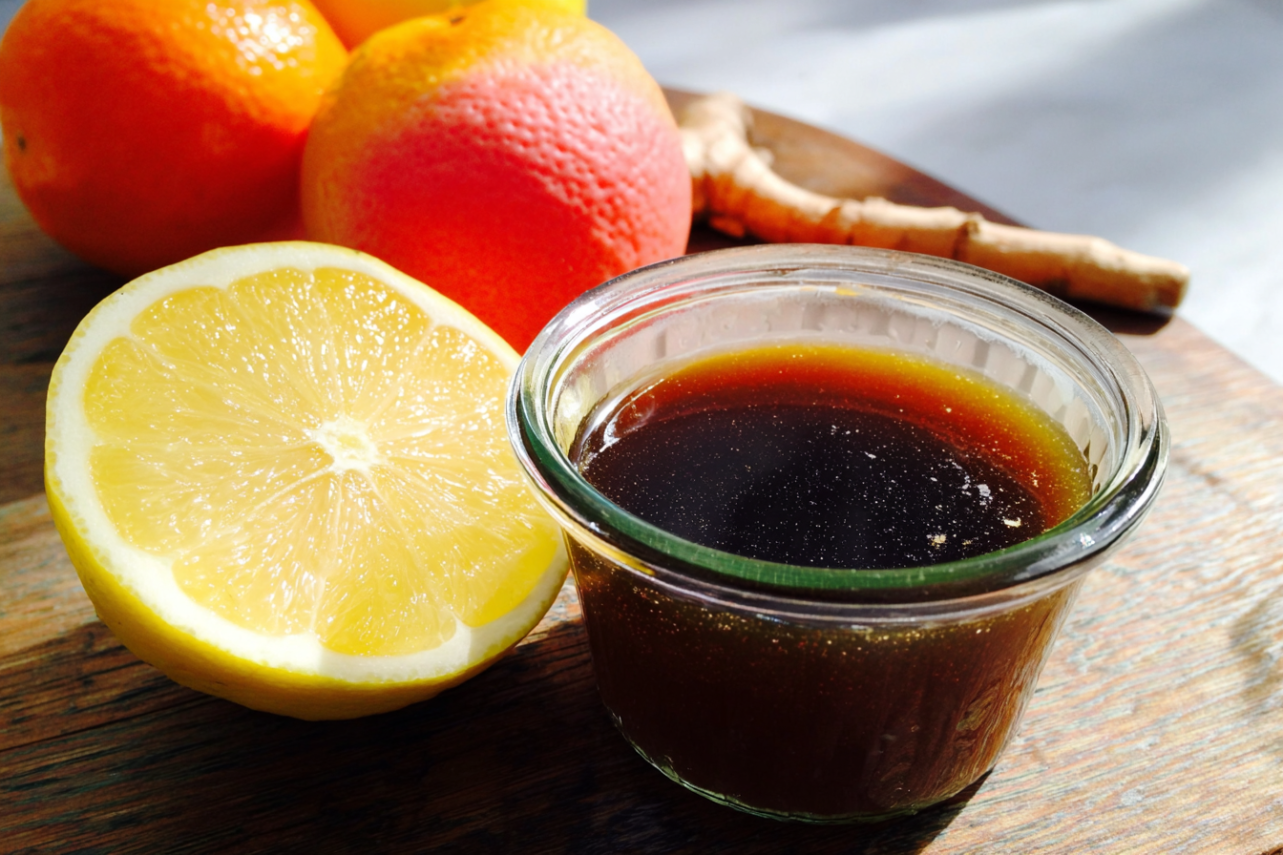
Ponzu sauce recipe is a tangy, citrus-based Japanese condiment that brings a bright, savory punch to any dish it touches. This versatile sauce combines the umami-rich flavor of soy sauce with the refreshing zest of citrus fruits like mandarin, lemon, and grapefruit. If you’ve ever enjoyed Japanese cuisine, you’ve likely experienced the delightful balance of sweet, sour, and savory notes that ponzu sauce delivers. Making homemade ponzu sauce allows you to create a fresh, preservative-free version that outshines any store-bought alternative.
Why Make Ponzu Sauce at Home?
Creating your own ponzu sauce recipe at home gives you complete control over the flavor profile and ingredients. Store-bought versions often contain preservatives and artificial flavors that can dull the vibrant citrus notes that make ponzu sauce so special. Plus, making this Japanese citrus dressing from scratch is surprisingly simple and requires just a handful of ingredients. The infusion process does take time, but the result is a complexly flavored condiment that elevates everything from salads and sashimi to grilled meats and vegetables.
Ponzu Sauce Ingredients: Simple Components with Complex Flavor
Essential Ingredients for Authentic Ponzu Sauce
What is ponzu sauce made of? This Japanese citrus-soy condiment requires just a few key ingredients:
- 1 mandarin (for zesting)
- 8 tablespoons soy sauce
- 4 tablespoons mandarin juice (freshly squeezed)
- 2 tablespoons lemon juice
- 2 tablespoons grapefruit juice
- 4 grams konbu (dried kelp)
Understanding Konbu in Ponzu Sauce
Konbu, a type of dried kelp, is a crucial ingredient that gives ponzu sauce its distinctive umami depth. This sea vegetable is rich in glutamates that enhance the overall flavor profile of the sauce. While it may seem like a small addition, konbu transforms ponzu from a simple citrus-soy mixture into a complex, well-rounded condiment. You can find konbu in Asian grocery stores, specialty food shops, or online retailers.
How to Make Ponzu Sauce: Step-by-Step Instructions
Preparing Your Citrus Base
Creating the perfect homemade ponzu sauce starts with fresh, vibrant citrus:
- Wash and thoroughly dry your mandarin orange before zesting to ensure you’re not incorporating any wax or residue.
- Using a Microplane or fine grater, carefully zest the mandarin, making sure to only remove the colored outer layer and avoid the bitter white pith beneath.
- Cut and squeeze the mandarin to extract its juice, then strain through a fine-mesh sieve to remove any seeds or pulp.
- Repeat the juicing and straining process with your lemon and grapefruit.
- Measure all your juices accurately to maintain the proper balance of flavors.
Creating Your Ponzu Sauce Infusion
The magic of ponzu sauce happens during the infusion process:
- In a non-reactive bowl (glass or ceramic works best), combine the mandarin zest, mandarin juice, lemon juice, and grapefruit juice.
- Add the soy sauce to the citrus mixture and stir gently to combine all ingredients evenly.
- Add the konbu to the liquid mixture, making sure it’s fully submerged.
- Cover the bowl with plastic wrap or a lid and place it in the refrigerator.
- Allow the mixture to infuse overnight or for at least 12 hours—this resting period is essential for developing the complex flavor profile of authentic ponzu sauce.
- After infusion, remove and discard the konbu.
- Transfer your finished ponzu sauce to a clean glass bottle or jar with a tight-fitting lid.
Ponzu Sauce Tips & Variations: Make It Your Own
Flavor Adjustments for Perfect Ponzu Sauce
- For a sweeter ponzu sauce, add 1-2 teaspoons of mirin or honey to balance the acidity.
- Increase the citrus juice ratio for a brighter, more refreshing taste.
- Add a splash of rice vinegar for additional tanginess.
- For a spicier variation, infuse with a small piece of fresh ginger or a dried chili pepper.
- Use low-sodium soy sauce if you’re watching your salt intake.
Ingredient Substitutions for Ponzu Sauce
- No mandarin? Oranges or tangerines make excellent substitutes.
- If grapefruit isn’t available, additional lemon or orange juice works well.
- Tamari can replace soy sauce for a gluten-free ponzu sauce option.
- If konbu is unavailable, a small piece of nori (seaweed sheet) can provide some umami notes, though the flavor will differ slightly.
- Yuzu juice creates an authentic Japanese ponzu sauce if you can find this special citrus fruit.
Creative Ponzu Sauce Variations
- Garlic Ponzu: Add 1-2 minced garlic cloves during the infusion process.
- Herb-Infused Ponzu: Add sprigs of fresh herbs like shiso, cilantro, or mint.
- Sesame Ponzu: Stir in 1 teaspoon of toasted sesame oil before serving.
- Citrus Ponzu Sauce: Experiment with different citrus combinations like lime, blood orange, or yuzu.
- Spicy Ponzu: Add a dash of hot sauce or Japanese shichimi togarashi spice blend.

Serving Ideas: Delicious Ways to Use Ponzu Sauce
Traditional Japanese Uses for Ponzu Sauce
Ponzu sauce is incredibly versatile in Japanese cuisine:
- Drizzle over sashimi or sushi for a bright, citrusy alternative to regular soy sauce.
- Use as a dipping sauce for shabu-shabu (hot pot) or gyoza (dumplings).
- Toss with freshly steamed vegetables for a light, flavorful side dish.
- Mix with a little oil to create a delicious dressing for Japanese-inspired salads.
- Use as a marinade for fish, chicken, or tofu before grilling or pan-searing.
Salads That Pair Perfectly with Ponzu Sauce
Ponzu sauce makes an excellent dressing or flavor enhancer for various salads:
- Authentic Japanese Sunomono Salad – The bright citrus notes of ponzu complement the delicate cucumber perfectly.
- Easy Seaweed Wakame Salad – Add a splash of ponzu for extra umami and citrus flavor.
- California Roll Cucumber Salad – Substitute traditional soy sauce with ponzu for a brighter flavor profile.
- Best Miso Vinaigrette – Add a splash of ponzu to this dressing for extra complexity.
- Authentic Hawaiian Poke Salad – Ponzu makes an excellent alternative or complement to the traditional marinade.
Storage: Keeping Your Ponzu Sauce Fresh
How to Store Homemade Ponzu Sauce
Proper storage is essential to maintain the vibrant flavors of your homemade ponzu sauce:
- Always store ponzu sauce in a clean, airtight glass container in the refrigerator.
- Properly stored, homemade ponzu sauce will maintain its best quality for about 2-3 weeks.
- The citrus flavors will be brightest in the first week after preparation.
- If you notice any off smells or cloudiness, it’s time to make a fresh batch.
- Before each use, give the bottle a gentle shake to reincorporate any separated ingredients.
- Never use a dirty spoon or utensil to dip into your storage container, as this can introduce bacteria.
FAQs About Ponzu Sauce
Is Ponzu Sauce Gluten-Free?
Traditional ponzu sauce contains soy sauce, which is typically made with wheat and therefore contains gluten. However, you can easily make gluten-free ponzu sauce by substituting regular soy sauce with tamari (a wheat-free soy sauce alternative) or coconut aminos. Always check labels carefully when purchasing ingredients if you have gluten sensitivities or celiac disease.
What Does Ponzu Sauce Taste Like?
Ponzu sauce has a complex flavor profile that balances tangy citrus notes with savory umami. It’s simultaneously bright, refreshing, and deeply savory with a pleasant saltiness from the soy sauce. The citrus elements provide acidity and sweetness, while the konbu contributes subtle ocean notes and depth. The overall taste experience is clean, bright, and multi-dimensional—less salty than straight soy sauce and more complex than simple citrus juice.
What is Yuzu Ponzu Sauce?
Yuzu ponzu sauce is a variation that specifically uses yuzu citrus fruit instead of or in addition to other citrus fruits like lemon or orange. Yuzu is a Japanese citrus fruit with a unique flavor that combines elements of grapefruit, mandarin, and lime. It creates an exceptionally aromatic and authentic Japanese ponzu sauce that’s highly prized for its complex flavor profile. While fresh yuzu can be difficult to find outside of Japan, bottled yuzu juice is becoming increasingly available in specialty stores and online.
Make This Easy Ponzu Sauce Recipe Today
Why You’ll Love This Homemade Ponzu Sauce
This homemade ponzu sauce recipe delivers authentic Japanese flavors with minimal effort. The bright citrus notes balanced with savory umami create a versatile condiment that elevates everything it touches. Whether you’re an experienced cook or just beginning to explore Japanese cuisine, this easy ponzu sauce recipe provides an accessible entry point to authentic flavors. The overnight infusion process requires patience, but the active preparation time is minimal, making this a perfect weekend project with delicious rewards.
More Ways to Enjoy Your Ponzu Sauce Creation
Once you’ve mastered this basic ponzu sauce recipe, consider using it as:
- A marinade for grilled chicken, fish, or tofu
- A dressing base for Asian-inspired coleslaw
- A flavor enhancer for stir-fries (add at the end of cooking)
- A dipping sauce for tempura or spring rolls
- A drizzle over steamed rice bowls topped with fresh vegetables
- A flavor booster for avocado toast or poached eggs
- A unique addition to cocktails that feature Asian flavors
With its bright flavor profile and versatility, this ponzu sauce will quickly become a staple in your refrigerator and your cooking repertoire.
Other Asian & Global Dressings to Try
Homemade Ponzu Sauce Recipe
Ingredients
Equipment
Method
- Zest the mandarin orange into a glass bowl using a Microplane or fine grater.
- Squeeze and strain the mandarin, lemon, and grapefruit juices to remove seeds and pulp.
- Measure all juices into the bowl with the mandarin zest.
- Add the soy sauce and konbu, ensuring the kelp is fully submerged.
- Cover the bowl and refrigerate overnight (at least 12 hours) to allow flavors to infuse.
- Remove and discard the konbu, then transfer the ponzu sauce to a glass bottle or jar.
- Store refrigerated for up to 2-3 weeks.
Notes
- For a gluten-free option, substitute tamari for soy sauce.
- Add a teaspoon of mirin or honey for a sweeter variation.
- The flavor improves after 24 hours but is best used within the first two weeks.