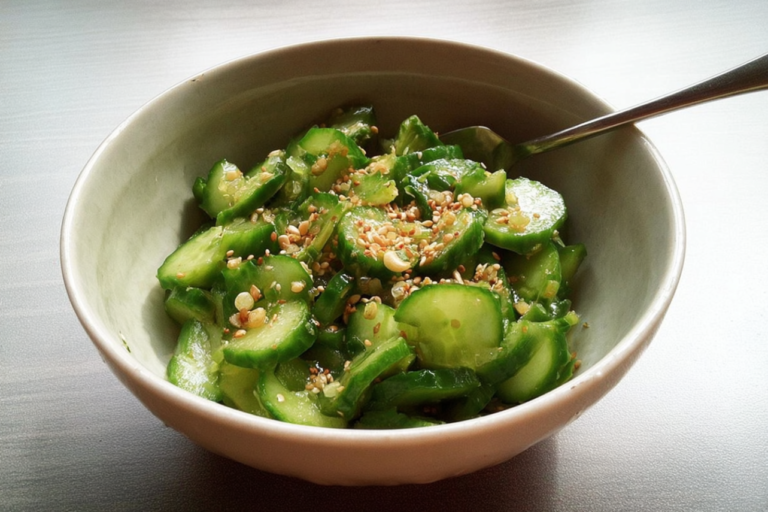
Easy Homemade Za’atar Vinaigrette: Middle Eastern Flavor in Minutes
Za’atar vinaigrette is the secret weapon that transforms ordinary salads into extraordinary culinary experiences. This Middle Eastern-inspired dressing combines the aromatic za’atar spice blend with tangy balsamic vinegar and smooth olive oil to create a flavor profile that’s both exotic and comforting. The earthy, herbaceous notes of za’atar—a mixture typically containing dried thyme, oregano, marjoram, sumac, and sesame seeds—deliver a distinctive taste that will transport your taste buds to the Mediterranean coastline.
This versatile zaatar dressing isn’t just for salads. It makes an exceptional marinade for grilled vegetables, a flavorful drizzle for roasted meats, or a perfect dipping sauce for fresh bread. With just four simple ingredients and minimal prep time, this lemon za’atar dressing recipe will quickly become a staple in your kitchen arsenal, adding depth and character to countless dishes.
Za’atar Vinaigrette Ingredients: Simple Components, Complex Flavor
What Is Za’atar and Why It Makes This Dressing Special
Za’atar is a Middle Eastern spice blend with ancient origins, dating back thousands of years. The specific ingredients vary by region, but most blends contain a mixture of dried thyme, oregano, marjoram, sumac, sesame seeds, and sometimes salt. The sumac provides a tangy, lemony note, while the herbs contribute earthiness and complexity. This complex flavor profile is what makes za’atar vinaigrette so distinctive—it offers layers of taste that other dressings simply can’t match.
To create this za’atar dressing, you’ll need just a handful of high-quality ingredients:
- ¼ cup Za’atar spice blend (30g)
- ¼ cup balsamic vinegar (56g)
- 1 tsp salt (2g)
- 6 Tbsp olive oil (45g)
How to Make Za’atar Vinaigrette: Quick and Simple Steps
The One-Jar Method for Perfect Za’atar Dressing
Making this lemon za’atar dressing couldn’t be simpler. The one-jar method ensures that all the flavors blend perfectly while minimizing cleanup.
- Find a clean jar with a tight-fitting, leakproof lid. A mason jar or recycled jam jar works perfectly.
- Measure out your za’atar spice blend and add it directly to the jar.
- Pour in the balsamic vinegar, allowing it to begin infusing with the za’atar.
- Add the salt, which will help balance the flavors and draw out the essential oils from the herbs.
- Measure and add the olive oil to the mixture.
- Secure the lid tightly, ensuring it’s completely sealed.
- Shake vigorously for about 30-45 seconds until all ingredients are well combined and emulsified.
- Let the dressing sit for at least 15 minutes before using to allow the flavors to meld together.
Troubleshooting Common Za’atar Vinaigrette Issues
Even though this zaatar vinaigrette is straightforward to prepare, a few common issues might arise:
- If your dressing separates quickly, try adding a small amount (½ teaspoon) of Dijon mustard, which acts as a natural emulsifier.
- For a dressing that’s too thick, add a tablespoon of water and shake again.
- If the flavor seems too intense, balance it with a teaspoon of honey to soften the tanginess.
- When the za’atar spice settles at the bottom, give the jar a good shake right before serving.
- If the dressing tastes too acidic, add another tablespoon of olive oil to mellow it out.
Tips & Variations: Customize Your Middle Eastern Dressing
Creative Additions
This basic za’atar dressing recipe is delicious as is, but there are numerous ways to customize it:
- Add 1 tablespoon of fresh lemon juice for a brighter, more citrusy lemon za’atar dressing
- Incorporate 1 minced garlic clove for a more robust, savory profile
- Mix in 1 teaspoon of honey to create a sweet-savory balance
- Include 1 tablespoon of tahini for a creamy, nutty zaatar vinaigrette
- Stir in 1 teaspoon of pomegranate molasses for a sweet-tart Middle Eastern twist
- Add a pinch of red pepper flakes for heat
- Blend in fresh herbs like parsley or mint for a greener, fresher flavor profile
Za’atar Vinaigrette Without Sumac
If you’re making your own za’atar blend and can’t find sumac (a key ingredient that provides za’atar’s distinctive tang), you can substitute it with:
- Lemon zest mixed with a pinch of salt
- A combination of amchur (dried mango powder) and citric acid
- Dried cranberries ground into a powder
- Tamarind powder
The goal is to replace the bright, acidic notes that sumac provides in traditional za’atar blends.
Converting to Creamy Za’atar Dressing
If you prefer a creamier texture for your zaatar dressing:
- Add 2 tablespoons of Greek yogurt to the basic recipe
- Incorporate 1 tablespoon of tahini plus 1 tablespoon of water
- Blend with half an avocado for a rich, creamy consistency
- Add 1 tablespoon of mayonnaise for a more indulgent version
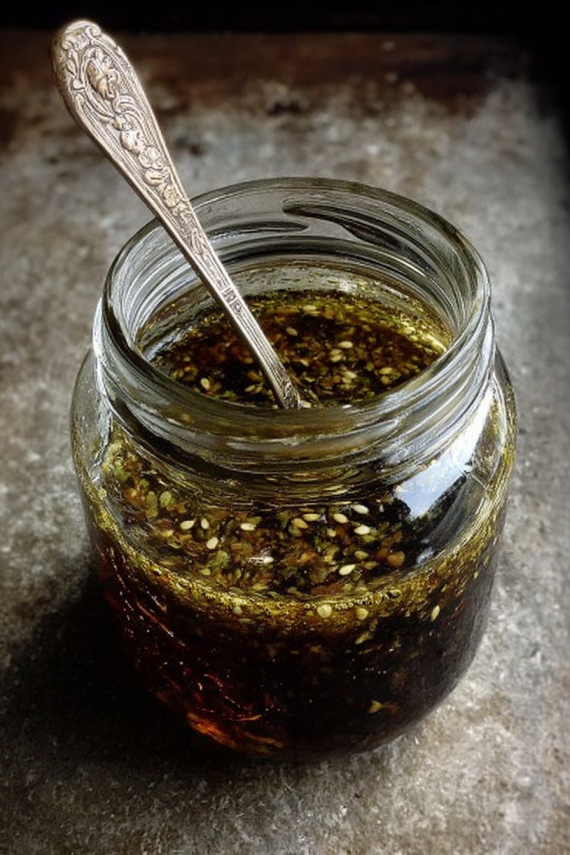
Salads That Pair With Za’atar Vinaigrette
Mediterranean and Middle Eastern Salad Combinations
Zaatar vinaigrette pairs exceptionally well with Mediterranean and Middle Eastern-inspired salads. The earthy, herbal notes of the dressing complement these flavor profiles perfectly:
- Authentic Fattoush Salad Recipe – The traditional pita bread salad becomes even more authentic with a drizzle of zaatar dressing.
- Mediterranean Chickpea Tuna Salad – The za’atar vinaigrette enhances the Mediterranean flavors in this protein-rich dish.
- Mediterranean Quinoa Salad – Za’atar and quinoa create a perfect protein-packed meal.
- Mediterranean Grain Salad – The earthy flavors of za’atar complement any grain-based salad beautifully.
Versatile Salad Combinations for Za’atar Dressing
Beyond Mediterranean cuisines, this zaatar vinaigrette works wonderfully with:
- Fresh Easy Green Salad – Elevate a simple green salad with the complex flavors of za’atar.
- Vibrant Spring Green Salad – The herbal notes in za’atar dressing complement fresh spring greens perfectly.
- Hearty Roasted Vegetable Salad – Za’atar vinaigrette brings roasted vegetables to a new level of flavor.
- Arugula and Pear Salad – The peppery arugula and sweet pears create a beautiful contrast with the earthy za’atar.
Storing Za’atar Vinaigrette: Maintaining Freshness and Flavor
How Long Does Za’atar Dressing Last?
Proper storage is key to maintaining the vibrant flavors of your zaatar vinaigrette:
- Refrigeration: Store your za’atar dressing in an airtight container in the refrigerator for up to 2 weeks.
- Room Temperature: The dressing can be kept at room temperature for up to 4 hours when serving.
- Freezing: While not ideal, you can freeze za’atar vinaigrette in ice cube trays for up to 3 months.
When retrieving your za’atar dressing from the refrigerator, you’ll notice that the olive oil may solidify slightly and the ingredients will separate. This is completely normal and doesn’t indicate spoilage. Simply allow the dressing to sit at room temperature for about 10 minutes, then shake vigorously to recombine the ingredients before using.
The flavor of your lemon za’atar dressing actually improves after the first 24 hours as the herbs and spices have time to infuse into the oil and vinegar. For the best taste experience, make this dressing a day before you plan to use it.
FAQs About Za’atar Vinaigrette
Is Za’atar Vinaigrette Gluten-Free?
Yes, traditional za’atar vinaigrette is naturally gluten-free. However, always check your za’atar spice blend ingredients, as some commercial blends might contain additives or fillers that contain gluten. The basic ingredients of za’atar (herbs, sesame seeds, sumac, and salt) and the other components of this dressing (olive oil, balsamic vinegar) are all naturally free from gluten.
Can I Make Za’atar Vinaigrette Without Balsamic Vinegar?
Absolutely! While balsamic vinegar provides a rich, complex flavor to this za’atar dressing recipe, you can substitute it with:
1. Red wine vinegar for a sharper, cleaner taste
2. Apple cider vinegar for a fruitier profile
3. Lemon juice for a bright, citrusy lemon za’atar dressing
4. Pomegranate molasses mixed with white vinegar for a traditional Middle Eastern twist
Each alternative will create a slightly different flavor profile while still highlighting the distinctive taste of za’atar.
Where Can I Buy Za’atar Spice Blend?
Za’atar spice blend has become increasingly popular and accessible in the United States. You can find it:
1. In the international or spice section of well-stocked grocery stores
2. At Middle Eastern or Mediterranean specialty markets
3. Online through retailers like Amazon, Penzeys, or specialty spice shops
4. At farmers’ markets where artisanal spice vendors might sell freshly made blends
Alternatively, you can make your own za’atar blend by combining dried thyme, oregano, marjoram, sumac, sesame seeds, and a pinch of salt to taste.
Elevate Your Salads With Homemade Za’atar Vinaigrette
Why This Middle Eastern Dressing Deserves a Place in Your Recipe Collection
Za’atar vinaigrette represents the perfect fusion of simplicity and complexity. With just four ingredients, you can create a dressing that offers layer upon layer of flavor—earthy herbs, tangy sumac, nutty sesame seeds, rich olive oil, and balanced acidity. This zaatar dressing brings the authentic taste of Middle Eastern cuisine right to your kitchen, without requiring hard-to-find ingredients or complicated techniques.
Beyond the Salad Bowl: Creative Uses for Za’atar Dressing
While this lemon za’atar dressing recipe shines on salads, its versatility extends far beyond the bowl:
- Use it as a marinade for chicken, fish, or tofu
- Drizzle over roasted vegetables just before serving
- Toss with warm pasta for a simple, flavorful dish
- Brush onto flatbreads before baking
- Use as a dipping sauce for crusty bread
- Mix with hummus for an elevated spread
- Drizzle over grilled halloumi cheese
The possibilities are endless when you have a jar of this flavorful za’atar vinaigrette in your refrigerator. Its distinctive taste will transform ordinary ingredients into extraordinary meals, bringing the vibrant flavors of the Middle East to your everyday cooking.
Other Asian & Global Dressings to Try
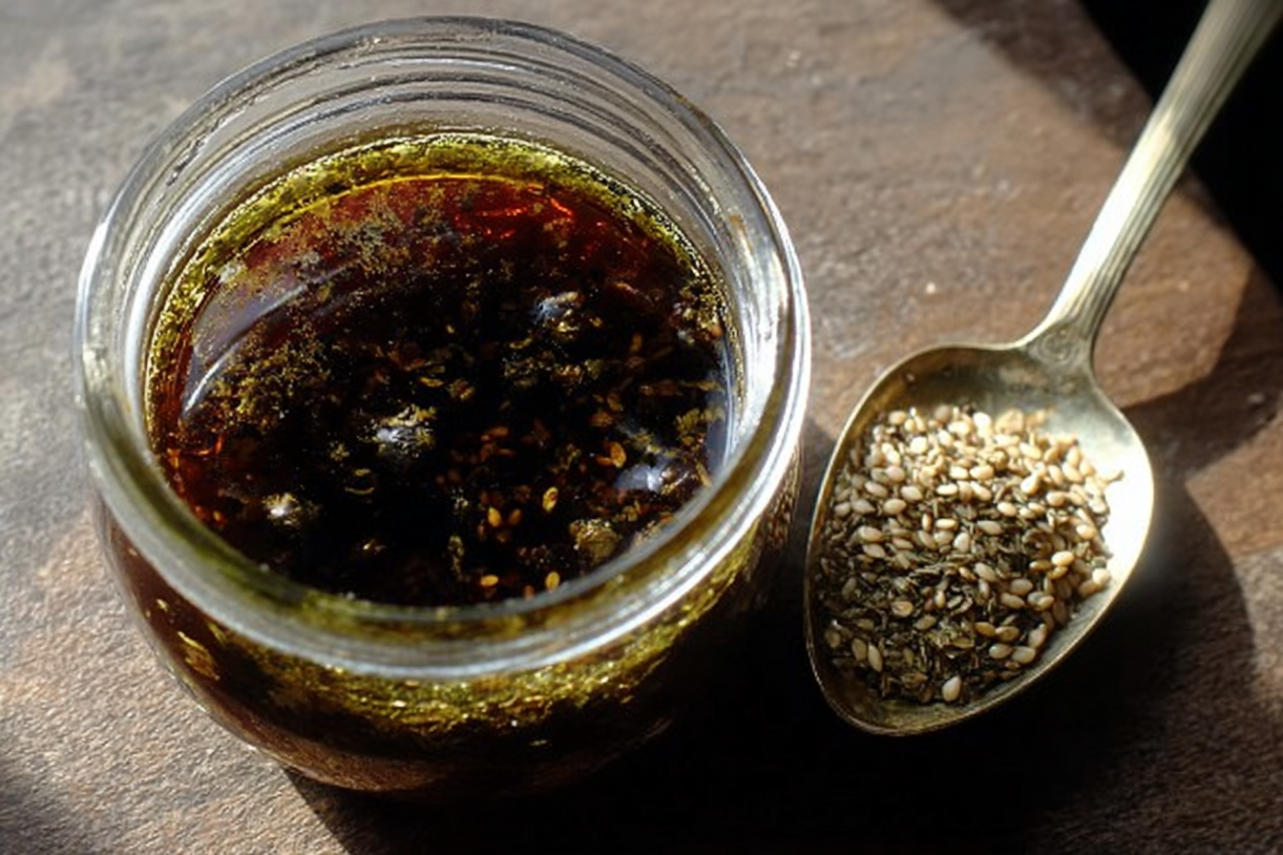
Easy Homemade Za’atar Vinaigrette
Ingredients
Equipment
Method
- Measure all ingredients into a clean jar with a leakproof lid.
- Secure the lid tightly and shake vigorously for 30-45 seconds until well combined.
- Allow to sit for at least 15 minutes before using to let flavors meld.
- Shake again right before serving.
Notes
- Store in an airtight container in the refrigerator for up to 2 weeks.
- The dressing will separate when stored – simply bring to room temperature for 10 minutes and shake well before using.
- For a creamier variation, add 2 tablespoons of Greek yogurt or 1 tablespoon of tahini.