How to Make Chimichurri Sauce: A Vibrant & Tasty Herb-Packed Condiment
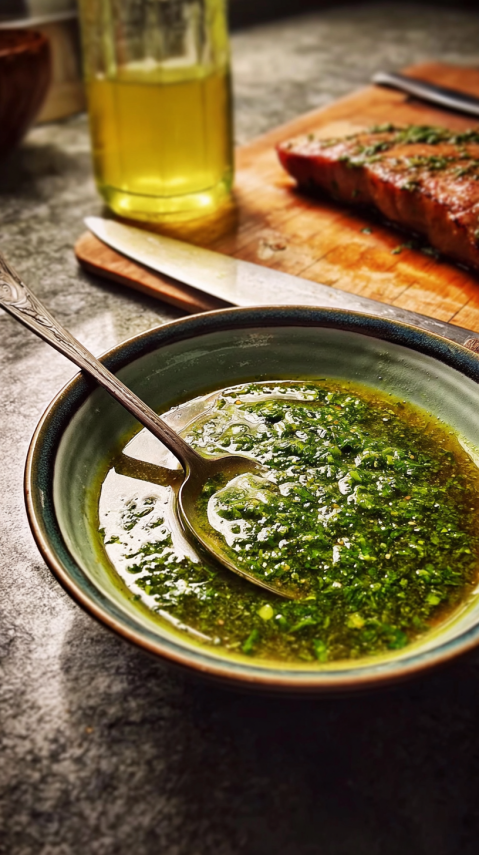
How to make chimichurri sauce is a question that leads to one of the most versatile and vibrant condiments in culinary history. This bright green, herb-packed sauce originates from Argentina and Uruguay, where it’s traditionally served with grilled meats. Made primarily with fresh parsley (perejil in Spanish), garlic, olive oil, vinegar, and spices, chimichurri brings a perfect balance of herbal freshness, acidity, and a hint of heat to anything it touches. Unlike heavy cream-based sauces, this uncooked sauce maintains the bright flavors and nutritional benefits of fresh herbs.
Endless Ways to Enjoy Chimichurri Sauce
What is chimichurri beyond a steak topping? This verdant sauce works brilliantly as a marinade, salad dressing, sandwich spread, or dipping sauce. Its versatility makes it perfect for elevating simple dishes to restaurant-quality meals with minimal effort. Whether you’re looking for a chimichurri recipe for steak or seeking to add fresh, herbaceous flavor to grilled vegetables, roasted potatoes, or even scrambled eggs, this sauce delivers incredible flavor with every spoonful. The best part? You can make it in minutes with ingredients you likely have on hand.
Ingredients for Perfect Chimichurri Sauce
Fresh Herbs: The Foundation
The key to an exceptional chimichurri sauce lies in using the freshest ingredients possible:
- 1 cup fresh Italian flat-leaf parsley, leaves only, stems removed
- ¼ cup fresh cilantro, leaves only, stems removed
- ¼ cup fresh oregano, leaves only, stems removed (fresh oregano provides an authentic touch)
- ⅓ cup roughly chopped red onion or shallots
- 3 cloves garlic, peeled
- ½ teaspoon red pepper flakes
- ½ cup extra-virgin olive oil
- ¼ cup red wine vinegar
- 3 tablespoons fresh lemon juice
- 1 teaspoon kosher salt
Understanding the Herb Components
Traditional chimichurri relies heavily on parsley as its main herb. Italian flat-leaf parsley (not to be confused with curly parsley) provides the perfect flavor profile with its brighter, more pronounced taste. While dried parsley can work in a pinch, fresh herbs are strongly recommended for authentic flavor. The addition of cilantro brings a citrusy note, though some traditional recipes focus solely on parsley and oregano. Fresh oregano adds an earthy complexity that dried oregano cannot match, though you can substitute dried if necessary (use 1 tablespoon dried in place of ¼ cup fresh).
How to Make Chimichurri Sauce Step by Step
Food Processor Method
- Gather all your ingredients and ensure your herbs are thoroughly washed and dried.
- Remove the stems from your parsley, cilantro, and oregano, keeping only the leaves for the best texture and flavor.
- Add the parsley, oregano, cilantro, chopped red onion, and garlic to a food processor or blender.
- Pulse several times until the ingredients are finely minced but not puréed—you want some texture.
- Add the red pepper flakes, olive oil, red wine vinegar, and fresh lemon juice to the herb mixture.
- Pulse 2-3 more times just to combine. Avoid over-processing as this can make the herbs bitter and the sauce too smooth.
- Transfer to a bowl and season with kosher salt, adjusting to taste.
- Let the sauce sit for at least 15 minutes before serving to allow flavors to meld.
Hand-Chopped Traditional Method
- Finely mince the parsley, cilantro, oregano, red onion, and garlic with a sharp knife on a cutting board.
- Transfer the minced ingredients to a medium bowl.
- Add the red pepper flakes, olive oil, vinegar, and lemon juice.
- Whisk thoroughly to combine all ingredients.
- Alternatively, place all ingredients in a glass jar with a tight-fitting lid and shake vigorously to combine.
- Season with salt and adjust to taste.
- Allow flavors to meld for at least 15 minutes before serving.
Tips & Variations for Chimichurri Sauce Success
Herb Substitutions and Alternatives
- Parsley Alternative: If you need a substitute for parsley, increase the cilantro amount or try a 50/50 mix of cilantro and basil. Basil in Spanish cooking isn’t traditional for chimichurri, but it makes a delicious variation.
- Cilantro Chimichurri: For those who love cilantro, create a cilantro-forward version by reversing the parsley and cilantro proportions (1 cup cilantro to ¼ cup parsley).
- Heat Adjustments: Increase or decrease the red pepper flakes based on your spice preference. For a smokier flavor, try a smoked paprika substitute (about ¼ teaspoon).
- Acid Balance: If you prefer a less acidic sauce, reduce the vinegar to 2-3 tablespoons and adjust lemon juice accordingly.
- Oil Variations: While extra virgin olive oil is traditional, you can experiment with part avocado oil for a milder flavor or add a teaspoon of sesame oil for an Asian-inspired twist.
Texture and Consistency Tips
- For Thinner Sauce: Add 1-2 additional tablespoons of olive oil or water.
- For Thicker Sauce: Increase the amount of herbs or add 1 tablespoon of breadcrumbs.
- Chunky vs. Smooth: Traditional chimichurri has some texture—avoid over-processing for authentic results.
- Color Preservation: Add a pinch of vitamin C powder (ascorbic acid) to maintain the bright green color for longer.
- Flavor Development: While chimichurri can be used immediately, letting it rest for 2 hours or overnight in the refrigerator allows the flavors to fully develop.
Creating Your Signature Chimichurri
- Mediterranean Twist: Add 1 tablespoon of capers and 1 tablespoon of chopped olives.
- Herbal Variations: Experiment with mint, tarragon, or basil in small amounts.
- Chimichurri Seasoning Blend: Create a dry version using dried herbs, garlic powder, onion powder, and spices that can be mixed with oil and vinegar when needed.
Serving Ideas: Beyond the Steak
Perfect Pairings for Proteins
Chimichurri sauce elevates virtually any protein to new heights:
- Chimichurri Steak Recipe: Brush the sauce on flank steak or skirt steak before grilling, then serve additional sauce alongside the sliced meat.
- Chimichurri Marinade: Use as a 30-60 minute marinade for chicken breasts or thighs before grilling or roasting.
- Seafood Applications: Drizzle over grilled shrimp, fish, or scallops just before serving.
- Plant-Based Options: Spoon over grilled portobello mushrooms, tofu steaks, or tempeh for a flavorful vegetarian/vegan protein option.
- Chimichurri Eggs: Transform simple scrambled or fried eggs with a spoonful of chimichurri on top.
Salad Applications and Side Dishes
The vibrant flavor of chimichurri sauce works beautifully in various salad applications:
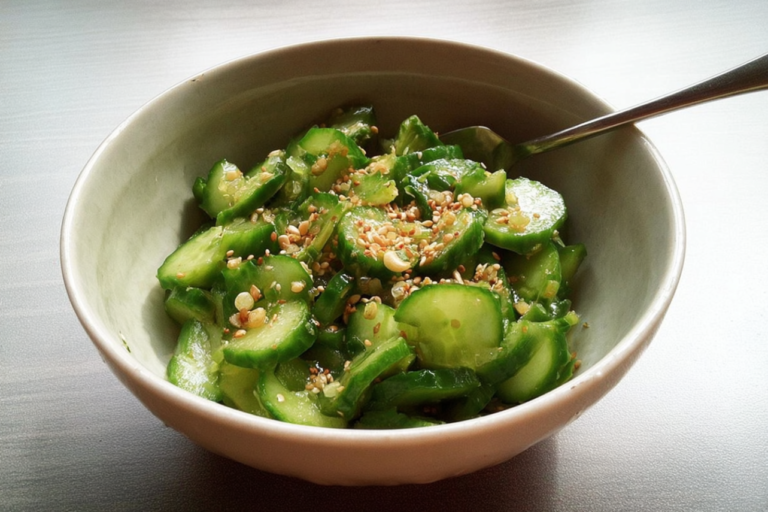
- Green Salads: Use as a punchy dressing for simple mixed greens or arugula salads.
- Potato Salad: Toss warm roasted potatoes with chimichurri instead of mayonnaise-based dressing.
- Grain Bowls: Drizzle over quinoa, farro, or rice bowls with roasted vegetables.
- Pasta Salads: Mix with cold pasta, cherry tomatoes, olives, and feta cheese for a Mediterranean-inspired dish.
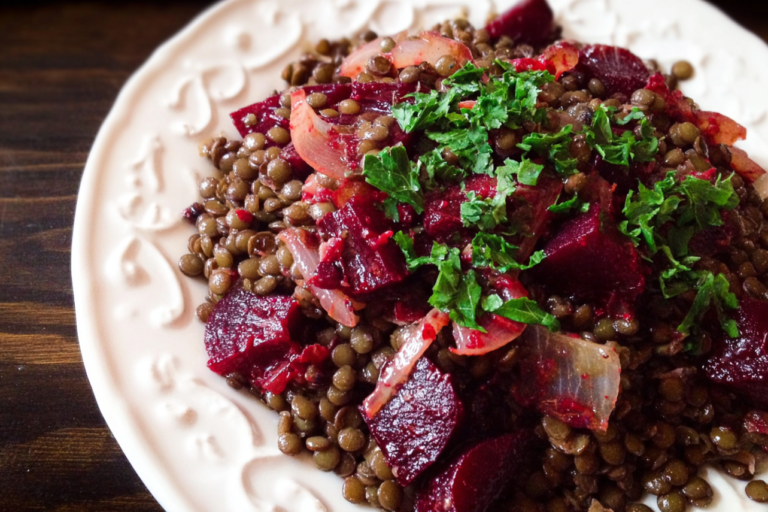
- Bean Salads: Combine with white beans, chickpeas, or black beans for a protein-rich side dish.
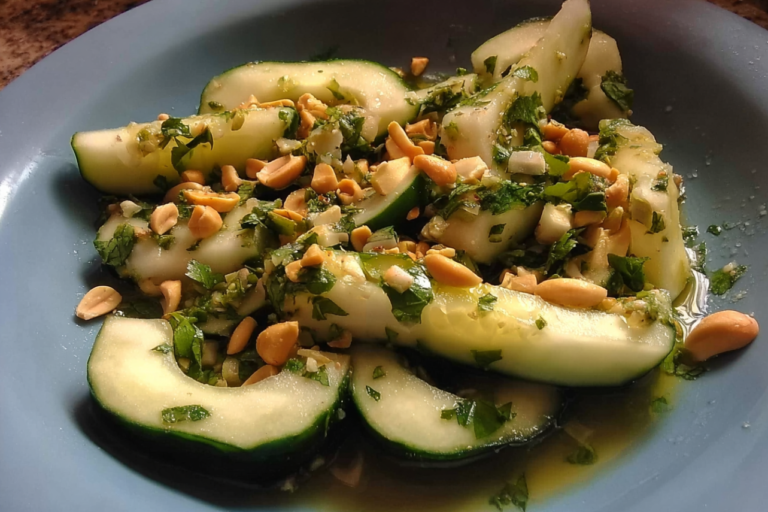
- Vegetable Enhancement: Spoon over grilled or roasted vegetables like zucchini, eggplant, or stuffed bell peppers for a flavorful twist.
Storage and Shelf Life of Chimichurri Sauce
Refrigeration and Freezing Methods
Proper storage extends the life of your homemade chimichurri sauce while maintaining its vibrant flavors:
- Refrigerator Storage: Transfer to an airtight container or glass jar and refrigerate for up to 1 week. The olive oil may solidify slightly when cold—this is normal.
- Before Each Use: Allow the chimichurri to come to room temperature for about 15 minutes before serving, then stir or shake well to recombine the ingredients.
- Freezing Option: For longer storage, freeze chimichurri in ice cube trays. Once frozen, transfer the cubes to a freezer bag and store for up to 3 months. This method provides perfect single-serving portions.
- Olive Oil Preservation: For extended refrigerator storage (up to 2 weeks), pour a thin layer of olive oil on top of the sauce to create a seal that prevents oxidation.
- Quality Indicators: The sauce is still good as long as it maintains its vibrant green color and fresh aroma. Discard if it develops an off smell or darkens significantly.
Other Salad Sauces to Try
FAQs About Chimichurri Sauce
Can I use dried herbs to make chimichurri sauce?
While fresh herbs provide the most authentic and vibrant chimichurri sauce, you can use dried herbs in a pinch. For this recipe, substitute 3 tablespoons of dried parsley for the fresh parsley, 1 tablespoon dried oregano for fresh oregano, and 1 tablespoon dried cilantro (if available) for fresh cilantro. Add 1-2 tablespoons of water to help rehydrate the dried herbs. The flavor won’t be as bright, but it will still be delicious. For best results, try to use at least some fresh ingredients, particularly the garlic.
What’s the difference between chimichurri and pesto?
While both are herb-based green sauces, chimichurri and pesto have distinct differences. Chimichurri is an uncooked sauce primarily made with parsley, oregano, vinegar, and olive oil, originating from Argentina and Uruguay. It has a tangy, slightly spicy flavor profile. Pesto, on the other hand, is an Italian sauce made with basil, pine nuts, Parmesan cheese, garlic, and olive oil. Pesto has a more creamy, nutty flavor and texture. Chimichurri typically contains vinegar for acidity, while pesto does not.
Is chimichurri sauce spicy?
Traditional chimichurri sauce has a mild to moderate level of heat from red pepper flakes or fresh chili peppers. However, you can easily adjust the spice level to suit your preference. For a milder version, reduce or omit the red pepper flakes. For a spicier version, increase the amount of red pepper flakes or add a fresh jalapeño or serrano pepper. The sauce should have a pleasant kick that complements rather than overwhelms the herbal flavors.
Conclusion About This Chimichurri Recipe
Why You’ll Love This Chimichurri Recipe
Learning how to make chimichurri sauce opens up a world of culinary possibilities. This vibrant, herb-packed condiment transforms ordinary meals into extraordinary dining experiences with minimal effort. Its perfect balance of fresh herbs, garlic, acidity from vinegar and lemon, and quality olive oil creates a versatile sauce that works across countless dishes. What makes this recipe particularly special is its authenticity and flexibility—you can adjust the herbs and spice level to suit your taste preferences while maintaining the essence of traditional chimichurri.
From Simple Ingredients to Flavor Explosion
What begins as a simple collection of fresh herbs and pantry staples becomes a flavor powerhouse that can elevate everything from grilled steaks to simple salads. The best part? This chimichurri sauce requires no cooking and comes together in just minutes, making it perfect for busy weeknights or impressive enough for weekend entertaining. Whether you’re looking to add a fresh dimension to your regular meal rotation or exploring the vibrant flavors of Argentine cuisine, this chimichurri recipe delivers exceptional results every time. Make a batch today and discover your new favorite way to brighten up meals!
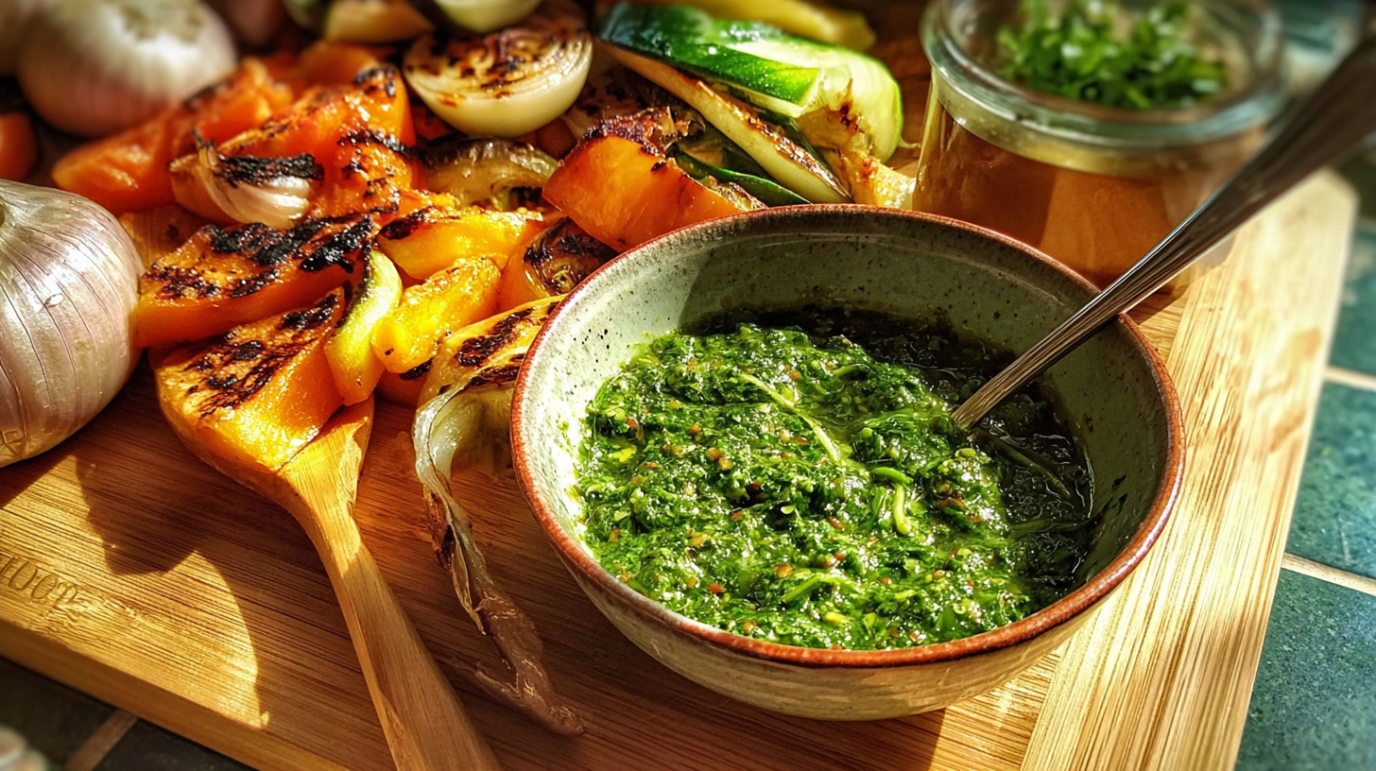
Authentic Homemade Chimichurri Sauce
Ingredients
Equipment
Method
- Add parsley, cilantro, oregano, red onion, and garlic to a food processor and pulse until finely chopped but not puréed.
- Add red pepper flakes, olive oil, red wine vinegar, and lemon juice. Pulse 2-3 times just to combine.
- Season with kosher salt and adjust to taste.
- Let sit for at least 15 minutes before serving to allow flavors to develop.
Notes
- For hand-chopping method: Finely mince all herbs and aromatics, then whisk with liquids in a bowl or shake in a covered jar.
- Store in an airtight container in the refrigerator for up to 1 week or freeze in ice cube trays for up to 3 months.
- For a spicier sauce, increase the red pepper flakes.