Perfect Peanut Dipping Sauce: Easy Homemade Recipe (Ready in 5 Minutes!)
Peanut dipping sauce is the unsung hero of Asian-inspired cuisine, bringing creamy richness and complex flavors to everything it touches. This particular recipe balances savory, sweet, and spicy notes with the perfect hint of acidity. Unlike store-bought versions that often contain preservatives and excessive sugar, this homemade peanut sauce delivers authentic flavor with ingredients you likely already have in your pantry. The beauty of this recipe is its versatility—adjustable thickness makes it perfect as a dip, drizzle, or marinade.
Versatile Uses Beyond Dipping
While commonly known as a dipping sauce for spring rolls, this peanut sauce recipe extends far beyond appetizers. It’s the ideal companion for salads, adding creamy texture and bold flavor to simple greens. Use it as a substitute for traditional sushi sauce at your next homemade sushi night, or incorporate it into marinades for grilled vegetables and proteins. When you’re looking for a spicy sauce alternative to traditional dressings, this peanut creation delivers satisfying flavor without relying on fish sauce or other common allergens.
Ingredients for Perfect Peanut Dipping Sauce
The Essential Base Components
- ¾ cup creamy peanut butter (preferably natural with no sugar added)
- ¼ cup rice vinegar
- ⅓ cup reduced sodium tamari or reduced-sodium soy sauce
- 3 tablespoons honey
- 1 ½ teaspoons grated fresh ginger (or ½ teaspoon ground ginger as a ginger substitute)
- 1 to 2 medium cloves garlic, pressed or minced
- ¼ teaspoon red pepper flakes, plus more for sprinkling
- 2 to 4 tablespoons water or coconut milk, as needed for desired consistency
Optional Garnishes for Extra Flair
- Chopped roasted peanuts
- Additional red pepper flakes
- Fresh cilantro leaves
- Thinly sliced green onions
- Lime wedges for serving
How to Make Peanut Dipping Sauce: Step-by-Step Guide
Mixing the Perfect Sauce
- In a 2-cup liquid measuring cup or medium-sized mixing bowl, add the creamy peanut butter, rice vinegar, reduced-sodium tamari (or soy sauce), and honey.
- Add the grated fresh ginger, minced garlic, and red pepper flakes to the bowl.
- Whisk all ingredients together until thoroughly combined. The mixture will initially be quite thick.
- Gradually add water or coconut milk, one tablespoon at a time, while whisking continuously until you reach your desired consistency. For a thicker dipping sauce, use less liquid; for a pourable dressing, add more.
- Taste and adjust seasonings as needed—add more honey for sweetness, tamari for saltiness, or red pepper flakes for heat.
Serving Presentation Tips
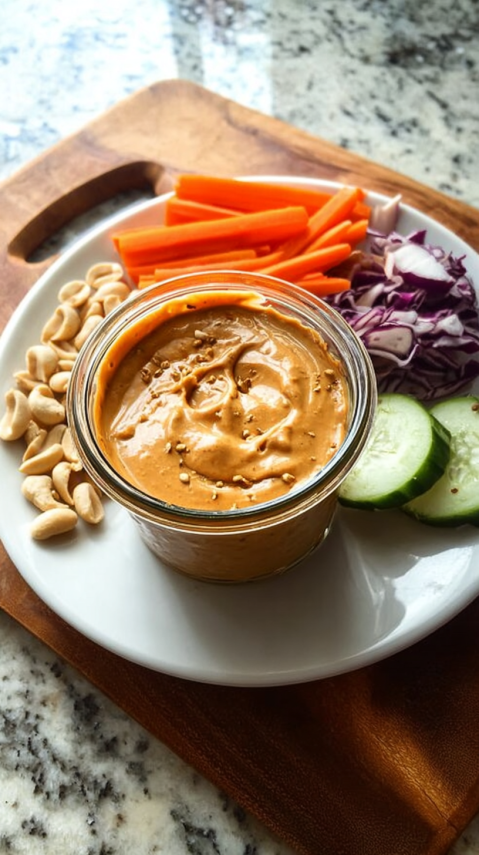
- If serving as a party dip for spring rolls or vegetables, transfer to a shallow serving bowl.
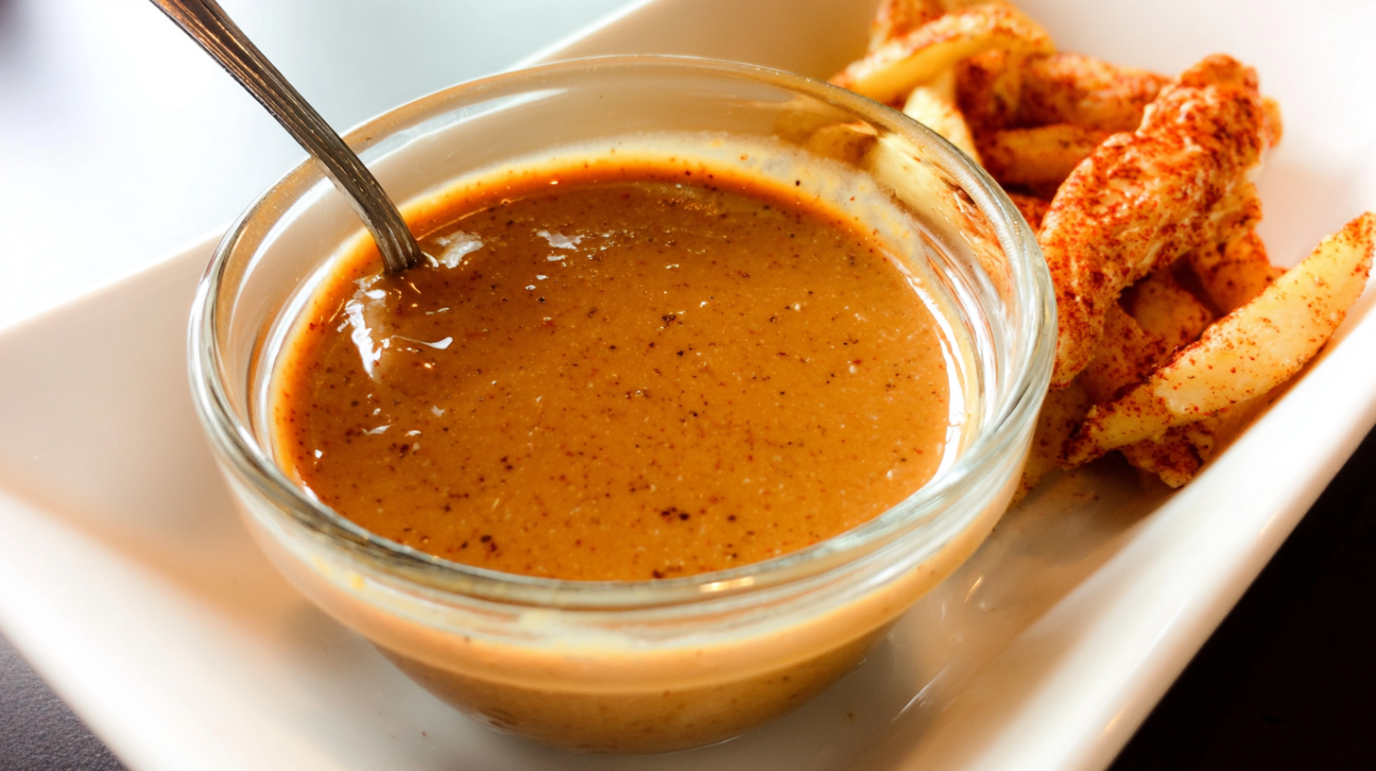
- Garnish with a sprinkle of chopped roasted peanuts and additional red pepper flakes for visual appeal and texture.
- For a more elegant presentation, drizzle a small amount of sesame oil on top and add a few fresh herb leaves.
- If serving with a Thai-inspired meal, place in small individual dipping bowls alongside the main dish.
Tips & Variations: Customize Your Peanut Dipping Sauce
Substitution Options for Dietary Needs
- Soy Sauce Alternatives: If you need a dark soy sauce substitute, use coconut aminos for a soy-free, lower-sodium option that maintains the umami flavor profile.
- Sweetener Swaps: Replace honey with maple syrup or agave nectar for a vegan peanut sauce.
- Peanut Butter Options: Low sodium peanut butter works well for those watching salt intake. No sugar added peanut butter creates a more savory profile that many prefer.
- Acid Balance: If you don’t have rice vinegar, lime juice makes an excellent substitute, giving the sauce a Southeast Asian twist.
- Heat Variations: If you don’t have red pepper flakes, substitute sriracha sauce, sambal oelek, or a dash of hot chili oil to achieve your desired spice level.
Regional Flavor Variations
- Thai Peanut Sauce: Add a tablespoon of red curry paste and use coconut milk instead of water for an authentic Thai satay sauce experience.
- Vietnamese Style: Mix in a tablespoon of hoisin sauce and a splash of lime juice for a Vietnamese peanut sauce that’s perfect with fresh spring rolls.
- Japanese Inspired: For a dipping sauce reminiscent of shabu shabu recipes, add a bit of mirin (or a substitute for mirin like sweet sherry with a pinch of sugar).
- Three-Ingredient Express Version: For a super quick 3-ingredient peanut sauce, simply mix peanut butter, soy sauce, and a touch of honey or brown sugar.
Texture Adjustments
- For a smoother sauce, blend all ingredients in a food processor or blender.
- To achieve a thinner consistency for salad dressing, gradually add more water or coconut milk while whisking.
- For a thicker dip that clings to spring rolls, use less liquid and refrigerate before serving.
Serving Ideas: Perfect Pairings for Your Peanut Sauce
Salads That Shine with Peanut Dressing
- Asian-Inspired Slaws: Toss with shredded cabbage, carrots, and bell peppers for a crunchy Thai peanut salad.
- Protein-Packed Bowls: Drizzle over a Buddha bowl with quinoa, edamame, roasted vegetables, and avocado.
- Noodle Salads: Mix with rice noodles, cucumber, and herbs for a refreshing summer dish.
- Green Salads: Transform simple mixed greens with this savory Thai peanut salad dressing, adding mandarin oranges and crispy wontons for contrast.
Beyond Salads: Creative Uses
- Spring Roll Companion: The classic pairing—serve alongside fresh vegetable spring rolls for dipping.
- Grain Bowl Enhancer: Drizzle over brown rice or quinoa bowls with steamed vegetables.
- Marinade Magic: Use as a marinade for grilled chicken, tofu, or vegetables for your next Thai satay.
- Noodle Sauce: Toss with warm or cold noodles for an instant peanut noodle dish.
- Sandwich Spread: Use as an Asian-inspired alternative to mayo on wraps or sandwiches, or drizzle over chicken fried steak for a bold, savory twist.
Storage: Keep Your Peanut Dipping Sauce Fresh
Refrigeration Guidelines
This homemade peanut dipping sauce will keep well in the refrigerator for up to 1 week when stored in an airtight container. The natural oils in the peanut butter may cause separation during storage—this is completely normal and doesn’t indicate spoilage. Simply give your sauce a good stir or shake before using again to recombine the ingredients.
For the freshest flavor, allow the sauce to come to room temperature before serving, as cold temperatures can dull the complex flavors. If the sauce thickens too much during refrigeration, simply whisk in a small amount of warm water or coconut milk until you reach the desired consistency.
Other Salad Sauces to Try
FAQs About Peanut Dipping Sauce
Is this peanut sauce vegan?
This recipe can easily be made vegan by substituting the honey with maple syrup or agave nectar. The soy sauce component is typically vegan (though always check your specific brand), and all other ingredients are plant-based. This makes it a versatile option for both plant-based and omnivore diets.
What can I use instead of fish sauce in peanut sauce?
While this recipe doesn’t call for fish sauce, many traditional Southeast Asian sauces do. If you’re adapting another recipe that requires fish sauce, excellent fish sauce alternatives include soy sauce with a touch of lime juice, vegan fish sauce made from seaweed, or a combination of soy sauce and a small amount of vegetable broth. Each substitute for worcestershire sauce would also work in a pinch.
How can I make this peanut sauce spicier?
For a spicier peanut sauce, you have several options. Increase the amount of red pepper flakes, add sriracha sauce, incorporate sambal oelek, or include a minced serrano pepper. Remember that the heat level of a serrano pepper on the spice scale is higher than jalapeños, so adjust according to your preference. The beauty of homemade sauce recipes is that you can customize the heat level to suit your taste.
Conclusion: Elevate Your Meals with Homemade Peanut Sauce
The Versatility of Peanut Sauce in Everyday Cooking
This easy peanut sauce recipe is more than just a condiment—it’s a culinary secret weapon. With its perfect balance of savory, sweet, and spicy notes, this homemade sauce transforms ordinary meals into extraordinary dining experiences. Whether you’re using it as a dip for fresh vegetables, a dressing for vibrant salads, or a marinade for your favorite proteins, peanut dipping sauce adds depth and complexity without complicated techniques or hard-to-find ingredients.
Your Gateway to Asian-Inspired Cuisine
Making your own peanut sauce opens the door to exploring various Asian culinary traditions. From Thai satay to Vietnamese spring rolls, this sauce connects you to authentic flavors while allowing you to control ingredients and customize to your preferences. Unlike many store-bought versions loaded with preservatives and excess sugar, this homemade version highlights the natural richness of peanuts enhanced with savory Thai-inspired seasonings. Next time your meal needs a flavor boost, skip the bottled options and whip up this 5-minute sauce that will elevate everything from simple salads to elaborate dinner spreads.
Perfect 5-Minute Peanut Dipping Sauce
Ingredients
Equipment
Method
- Combine peanut butter, rice vinegar, tamari or soy sauce, and honey in a medium bowl.
- Add ginger, garlic, and red pepper flakes.
- Whisk ingredients thoroughly until well blended.
- Gradually add water or coconut milk, 1 tablespoon at a time, until desired consistency is reached.
- Taste and adjust seasonings as needed.
- Transfer to a serving bowl and garnish with chopped peanuts and additional red pepper flakes if desired.
Notes
- Store in an airtight container in the refrigerator for up to 1 week.
- Sauce will thicken when chilled; simply add a small amount of warm water and stir to reach desired consistency.
- For a vegan version, substitute honey with maple syrup.