Quick Oil and Vinegar Salad Dressing Recipe for Your Next-Level Salad
Oil and vinegar salad dressing recipe is the foundation of countless homemade dressings, offering a perfect balance of acidity and richness that transforms any bowl of greens. This classic vinaigrette brings together the fruity notes of olive oil with the bright tang of apple cider vinegar, creating a versatile dressing that enhances rather than overwhelms your salad ingredients.
Whether you’re dressing a simple green salad, a hearty grain bowl, or using it as a quick marinade, this basic vinaigrette recipe requires minimal ingredients while delivering maximum flavor. With just five minutes of preparation, you’ll have a preservative-free dressing that’s infinitely customizable to your taste preferences.
Essential Ingredients for the Perfect Oil and Vinegar Salad Dressing
Core Components for Classic Flavor
- 1/2 cup extra virgin olive oil (use a good quality oil for best flavor)
- 1/4 cup apple cider vinegar
- 1 teaspoon Dijon mustard
- 1 teaspoon honey
- 1/2 teaspoon salt
- 1/4 teaspoon freshly ground black pepper
- 1 small shallot, finely minced (optional)
- 1 clove garlic, finely minced or pressed (optional)
- 1 tablespoon fresh herbs like parsley, basil, or thyme (optional)
- 1/2 teaspoon dried herbs like oregano or Italian seasoning (optional)
How This Vinaigrette Is Different From a Basic Oil and Vinegar Dressing
This oil and vinegar salad dressing sticks closely to the traditional vinaigrette ratio for a sharp, tangy profile. It’s meant as a true classic base compared to more flavored or customized dressings.
Step-by-Step Instructions for Homemade Oil and Vinegar Dressing
The Simple Whisking Method
- In a medium bowl, combine the apple cider vinegar, Dijon mustard, honey, salt, and black pepper. If using, add minced shallot or garlic at this stage.
- Whisk these ingredients together until the mustard and honey are fully incorporated and no clumps remain.
- While continuously whisking, slowly drizzle the olive oil into the vinegar mixture in a thin, steady stream. This gradual addition helps create an emulsion where the oil and vinegar combine rather than separate.
- Continue whisking until the dressing appears slightly thickened and uniform in consistency.
- Taste the dressing and adjust the seasoning as needed. You may want more salt, pepper, an extra drop of honey for sweetness, or a splash more vinegar if you prefer a tangier flavor.
- If using fresh or dried herbs, stir them in now.
- Serve immediately over your favorite salad greens, or transfer to a sealed jar or container for storage.
Tips & Variations for Perfecting Your Basic Vinaigrette
Customizing Your Homemade Dressing
- For a smoother, more stable emulsion, use an immersion blender or small food processor instead of whisking by hand.
- The standard oil-to-vinegar ratio is 3:1, but you can adjust this to your taste preference – more vinegar creates a tangier dressing, while more oil results in a milder flavor.
- Experiment with different vinegars like red wine vinegar, white wine vinegar, or balsamic vinegar for varied flavor profiles.
- To create an herb-infused oil, gently warm your olive oil with fresh herbs like rosemary or thyme, then strain before using in your vinaigrette.
- For a creamier texture, add a teaspoon of Greek yogurt or mayonnaise to your vinaigrette base.
- If your dressing separates during storage (which is normal), simply shake vigorously or re-whisk before using.
- For a citrus twist, substitute half the vinegar with freshly squeezed lemon, lime, or orange juice.
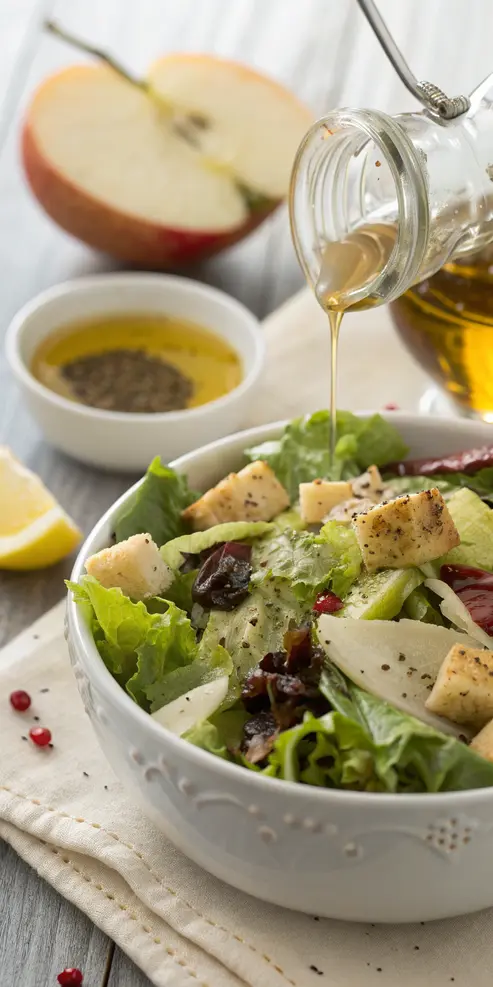
Serving Ideas for Your Simple Oil Vinaigrette
Perfect Pairings with Salads
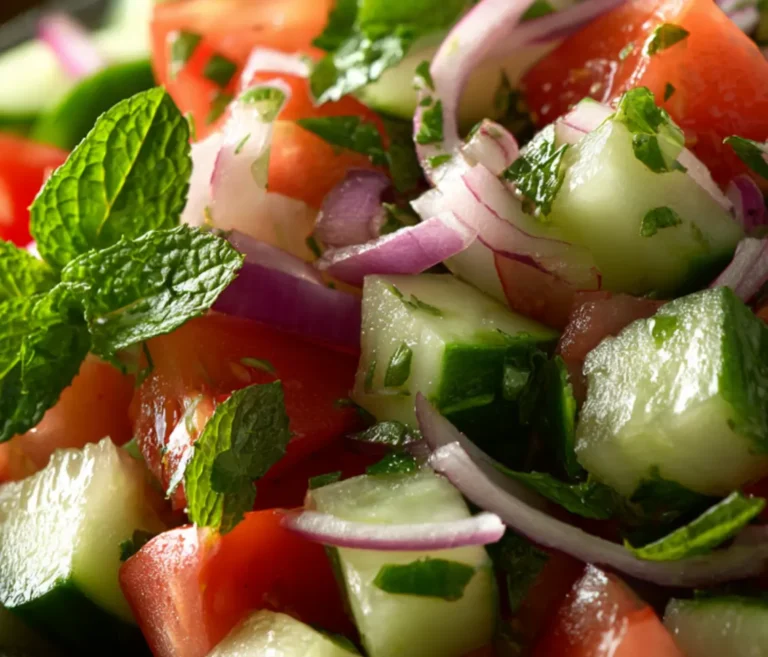
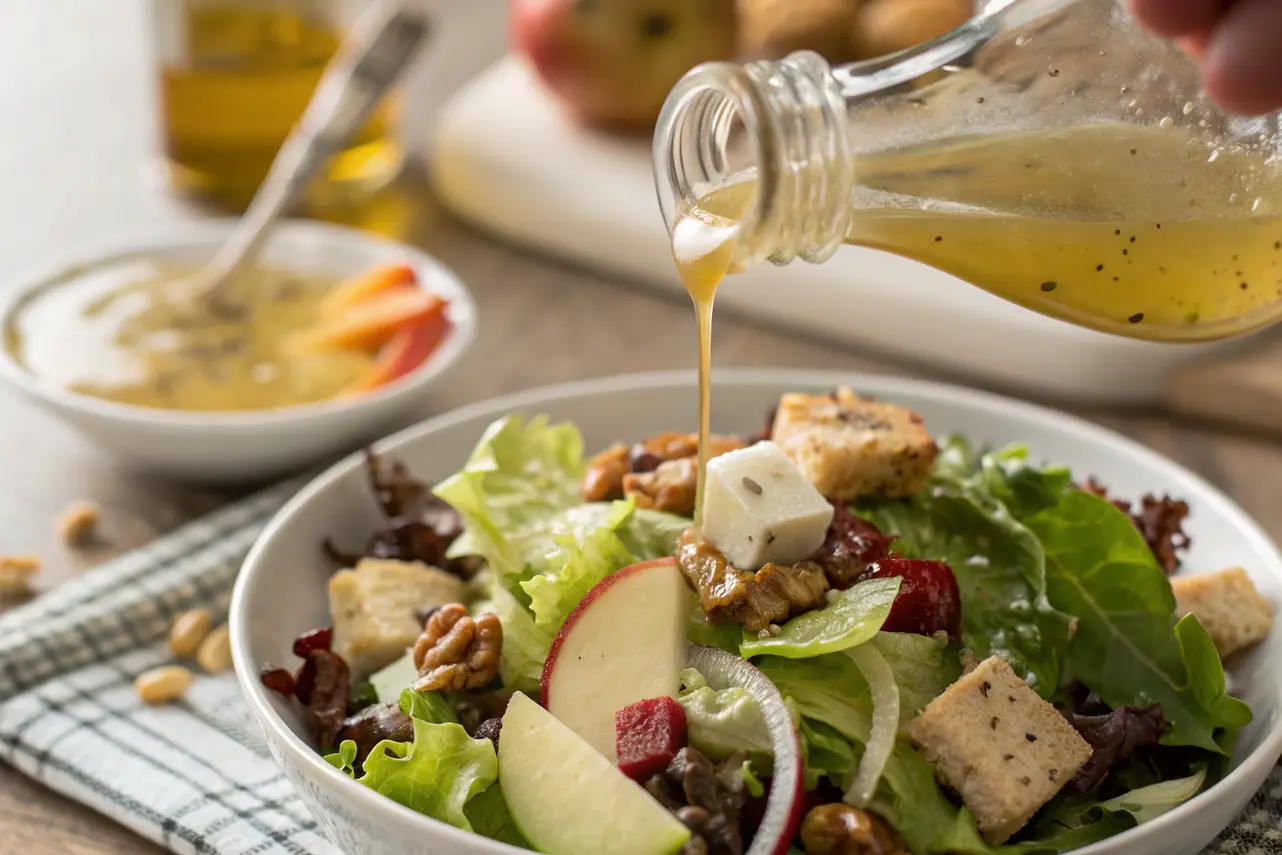
- This vinaigrette adds bright, tangy flavor to a fresh easy green salad with cucumber, bell pepper, and cherry tomatoes.
- Drizzle over a simple quick greens salad with avocado and toasted nuts for a nutrient-dense lunch option.
- The classic oil and vinegar profile beautifully complements the delicate flavors of a light citrus fennel salad for an elegant starter.
Beyond Salads
- Use as a quick marinade for grilled chicken or fish, allowing the protein to absorb the flavors for 15-30 minutes before cooking.
- Drizzle over roasted vegetables just before serving to brighten their natural flavors without overwhelming them.
- This versatile dressing can add zesty flavor to hearty dishes like a slow cooker beef cassoulet when drizzled over the top just before serving.
Storage Solutions for Homemade Oil and Vinegar Dressing
Keeping Your Vinaigrette Fresh
One of the greatest advantages of making homemade oil and vinegar salad dressing is its excellent shelf life when stored properly. Pour your freshly made vinaigrette into a clean glass jar with a tight-fitting lid. Mason jars are perfect for this purpose, as they seal completely and prevent leaks.
Your homemade dressing will keep in the refrigerator for up to two weeks. The olive oil may solidify slightly when chilled – this is completely normal and doesn’t indicate spoilage. Simply remove the jar from the refrigerator about 15-20 minutes before you plan to use it, or run the sealed jar under warm water for a minute to return the oil to its liquid state.
Always give your stored vinaigrette a vigorous shake before using, as natural separation will occur over time. If your dressing contains fresh ingredients like minced garlic, shallots, or herbs, the storage time may be reduced to about one week for optimal flavor.
Batch Preparation Strategies
Making a larger batch of this simple oil vinaigrette can save you time throughout the week. Consider doubling or even tripling the recipe if you enjoy salads regularly. To extend the shelf life of larger batches, you can omit fresh ingredients like garlic or herbs from the base dressing and instead add these elements individually when dressing each salad.
For ultimate convenience, prepare several variations of the basic recipe in small jars – perhaps one with herbs, one with garlic, and one with a different vinegar. Label each jar clearly with the contents and date, creating your own homemade salad dressing collection that rivals store-bought options in both flavor and freshness.
FAQs About Oil and Vinegar Salad Dressing Recipe
Why does my oil and vinegar dressing separate so quickly?
Oil and vinegar naturally separate because they have different densities. To create a more stable emulsion, make sure to add the oil very slowly while whisking vigorously. The mustard in the recipe helps act as an emulsifier, keeping the mixture together longer. For the most stable dressing, try using an immersion blender or food processor.
Can I make oil and vinegar dressing without mustard?
Yes, you can omit the mustard, though it helps emulsify the dressing (keeping the oil and vinegar from separating) and adds depth of flavor. If you dislike mustard or have an allergy, try substituting with a small amount of mayonnaise, tahini, or even an egg yolk (if you’re comfortable with raw egg) to maintain the emulsifying effect.
What’s the best type of olive oil to use in homemade vinaigrette?
For the best flavor in your oil and vinegar salad dressing recipe, use extra virgin olive oil. Since this is a raw preparation where you’ll taste the oil directly, quality matters. Choose a mid-priced extra virgin olive oil with a flavor you enjoy – some are fruity, while others are more peppery or grassy. If you find olive oil too strong, you can use a 50/50 blend of olive oil and a neutral oil like grapeseed.
Making the Perfect Homemade Vinaigrette Every Time
Creating your own oil and vinegar salad dressing recipe is a simple way to elevate your meals while avoiding the preservatives and excess sodium found in many store-bought options. With just a few pantry staples and less than five minutes of your time, you can craft a versatile dressing that brings fresh, vibrant flavor to everything from everyday lunch salads to elegant dinner party starters.
The beauty of this basic vinaigrette lies in its adaptability—once you master the fundamental technique, you can customize it endlessly with different oils, vinegars, herbs, and additions to suit any meal or flavor preference. Start with this classic recipe, then let your culinary creativity take over as you experiment with your own signature variations. Your salads will never be the same again!
Other Salad Dressings to Try
Classic Oil and Vinegar Salad Dressing
Ingredients
Equipment
Method
- In a medium bowl, combine the apple cider vinegar, Dijon mustard, honey, salt, and black pepper. If using, add minced shallot or garlic.
- Whisk these ingredients together until the mustard and honey are fully incorporated.
- While continuously whisking, slowly drizzle the olive oil into the vinegar mixture in a thin, steady stream to create an emulsion.
- Continue whisking until the dressing appears slightly thickened and uniform in consistency.
- Taste and adjust seasoning as needed with additional salt, pepper, honey, or vinegar.
- If using fresh herbs, stir them in now.
- Serve immediately over your favorite salad, or transfer to a sealed container for storage.
Notes
- This dressing will keep in the refrigerator for up to two weeks in an airtight container.
- If refrigerated, the olive oil may solidify. Simply bring to room temperature before using or run the sealed container under warm water.
- Always shake well before using as natural separation will occur.
- The standard ratio is 3:1 oil to vinegar, but feel free to adjust to your taste preferences.