
Easy Crave-Worthy Jerusalem Salad with Bold Herbs for Fresh Flavor
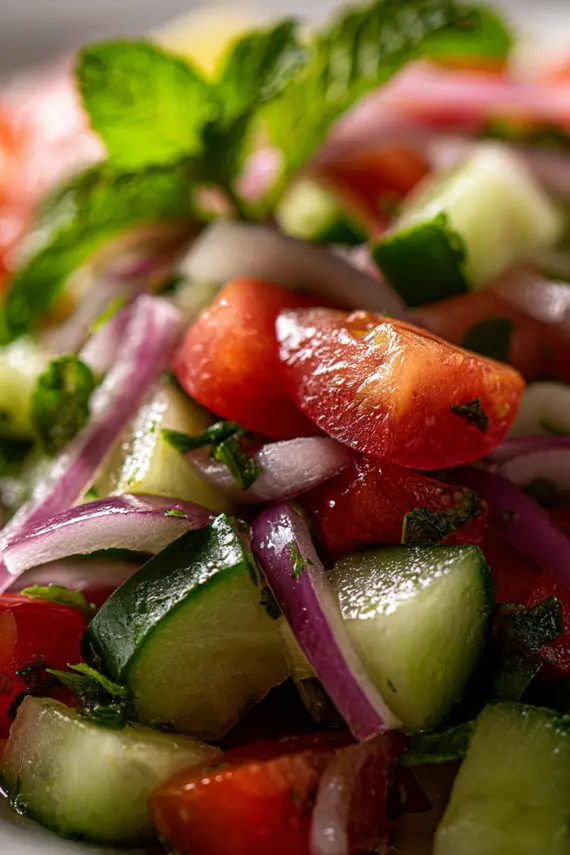
Jerusalem salad is a vibrant and refreshing dish that celebrates the simplicity of fresh produce with bold Mediterranean flavors. This colorful combination of crisp cucumbers, juicy tomatoes, and aromatic herbs creates a salad that’s as nutritious as it is delicious—perfect for warm summer days or as a bright accompaniment to heartier meals.
With its origins in Middle Eastern cuisine, Jerusalem salad delivers a perfect balance of textures and tastes with minimal effort. The zesty lemon dressing enhances the natural flavors of the vegetables without overwhelming them, making this salad a standout addition to your regular meal rotation.
Exploring the Classic Jerusalem Salad Ingredients
Everything You Need for Mediterranean Freshness
- 2 medium cucumbers, diced into small cubes (Persian or English varieties work best)
- 3 ripe tomatoes, chopped into small pieces (Roma or vine-ripened for best flavor)
- 1/2 red onion, thinly sliced or finely diced
- 1/4 cup fresh parsley, finely chopped
- 1/4 cup fresh mint leaves, finely chopped
- 3 tablespoons extra-virgin olive oil (use high-quality for best results)
- 2 tablespoons freshly squeezed lemon juice
- Salt and freshly ground black pepper to taste
- 1 bell pepper, diced (red, yellow, or orange for color) (optional)
- 1/4 cup crumbled feta cheese (optional)
- 1-2 tablespoons sumac for authentic Middle Eastern flavor (optional)
- 1/4 cup chopped fresh dill (optional)
- 1 clove garlic, minced (optional)
- 1/2 teaspoon za’atar seasoning (optional)
Preparing Your Jerusalem Salad Step-by-Step
How to Make It Perfectly Every Time
- Select and prepare your vegetables. For cucumbers, you may peel them if desired (especially if not using English cucumbers), then dice them into small, uniform cubes about 1/4-inch in size. For tomatoes, remove the seeds if you prefer a less watery salad, then chop into pieces similar in size to the cucumber.
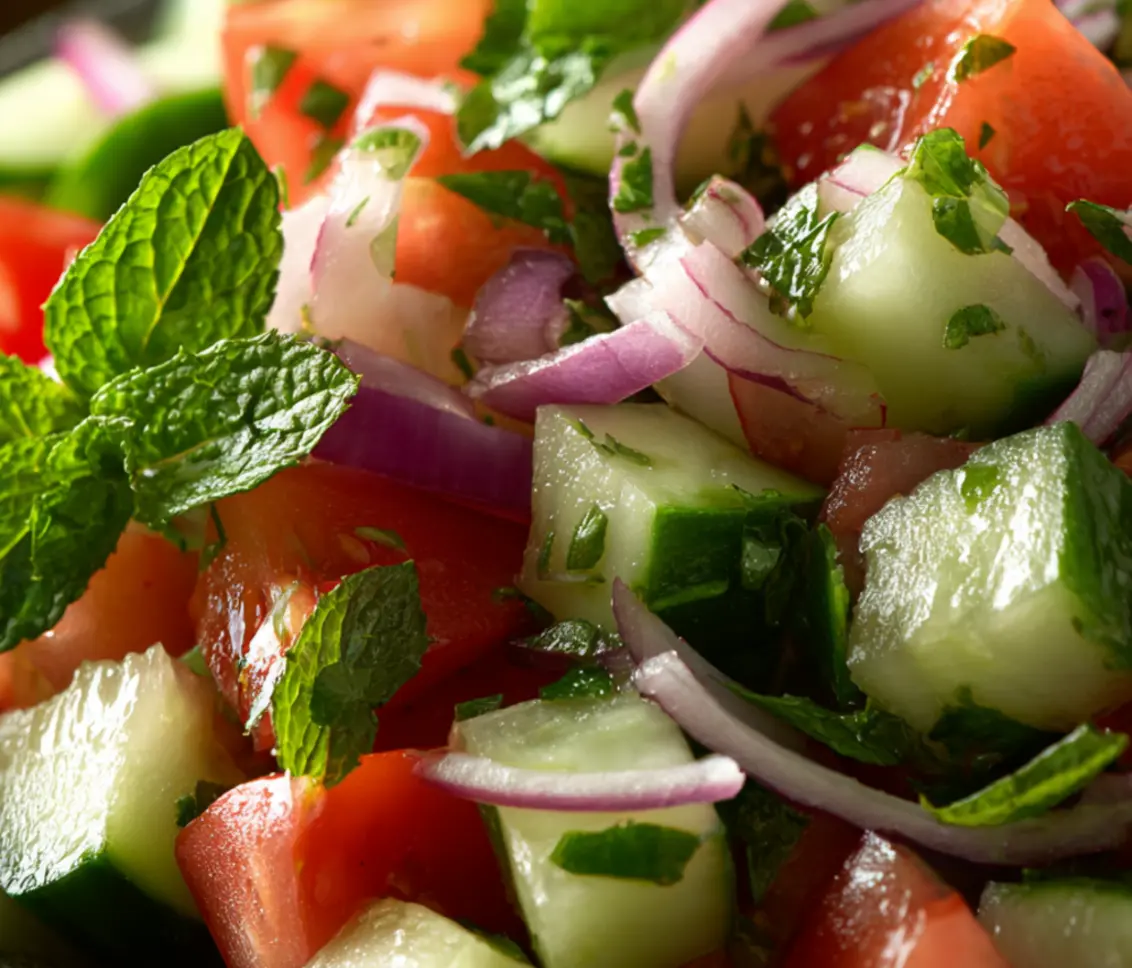
- Place the diced cucumbers, chopped tomatoes, and thinly sliced red onion in a large mixing bowl. The key to a good Jerusalem salad is uniformly small pieces that allow all flavors to blend together in each bite.
- Wash your herbs thoroughly, then pat dry with paper towels or use a salad spinner. Finely chop the parsley and mint, removing any tough stems. Add the chopped herbs to the vegetable mixture and gently toss to combine.
- In a small bowl or glass measuring cup, whisk together the extra-virgin olive oil and freshly squeezed lemon juice until emulsified. Season with salt and freshly ground black pepper to taste. For extra flavor, you can add a pinch of minced garlic or sumac at this stage.
- Drizzle the dressing over the salad and toss gently but thoroughly to ensure all ingredients are evenly coated. Use a folding motion rather than aggressive stirring to prevent the vegetables from becoming bruised or releasing too much liquid.
- Taste and adjust seasoning if needed, adding more salt, pepper, or lemon juice according to your preference. Remember that flavors will develop as the salad sits.
- For best results, refrigerate the salad for 15-30 minutes before serving to allow the flavors to meld together. This also gives the salad a refreshingly cool temperature that enhances its appeal.
- Just before serving, give the salad one final gentle toss and transfer to a serving bowl. If using optional ingredients like feta cheese or za’atar, sprinkle them on top at this stage for maximum visual impact.
Expert Tips & Creative Variations for Your Jerusalem Salad
Simple Ways to Customize the Recipe for Every Occasion
- For the most authentic texture, dice all vegetables into small, uniform pieces about 1/4-inch in size. This ensures that each bite contains a perfect blend of all flavors.
- If your tomatoes are particularly juicy, consider removing the seeds and pulp before chopping to prevent the salad from becoming too watery.
- To mellow the sharpness of raw red onion, soak the sliced onion in ice water for 10-15 minutes, then drain and pat dry before adding to the salad.
- Add a protein boost by incorporating chickpeas, grilled chicken, or hard-boiled eggs to transform this side dish into a complete meal.
- For a grain-based variation, mix in 1 cup of cooked and cooled bulgur, quinoa, or couscous to create a heartier Jerusalem tabbouleh-style salad.
- Enhance the Mediterranean profile by adding olives, capers, or artichoke hearts for extra tanginess and depth of flavor.
- For a spicier version, include finely diced jalapeño or a sprinkle of red pepper flakes to add heat that contrasts beautifully with the cool vegetables.
Salad Dressings That Pair Well With Jerusalem Salad
Complementary Homemade Dressings for Extra Flavor
While the classic lemon and olive oil dressing included in this recipe is traditional, you can experiment with these alternative dressings to create different flavor profiles:
- For a more complex flavor profile, try this Perfect Basic Vinaigrette that adds depth while maintaining the salad’s fresh character.
- Add an herbal dimension with this bright and aromatic Zesty Lemon Basil Vinaigrette that complements the herbs already in the salad.
- For those who appreciate a straightforward citrus kick, this Easy Lemon Vinaigrette enhances the salad’s Mediterranean roots with minimal effort.
What to Serve With Jerusalem Salad for Complete Meals
Perfect Mediterranean Pairings
Jerusalem salad works beautifully as a versatile side dish that complements many main courses. Its refreshing nature makes it particularly suitable for pairing with richer, heartier dishes where it provides a bright contrast.
For a traditional Middle Eastern spread, serve Jerusalem salad alongside warm pita bread, hummus, baba ganoush, and falafel. The cooling crunch of the salad balances the earthy flavors of these classic dishes.
Complete Meal Suggestions
Grilled proteins pair exceptionally well with this vibrant salad. Consider serving it with:
- Grilled chicken or fish seasoned with Mediterranean herbs like oregano and thyme
- Lamb kebabs with mint yogurt sauce
- Roasted vegetable and halloumi skewers for a vegetarian option
- Shakshuka (poached eggs in spiced tomato sauce) for a delightful brunch pairing
For a festive meal that incorporates seasonal elements, you might consider adding a cranberry salad as an additional side dish, especially during holiday gatherings. The sweetness of cranberries offers a delightful contrast to the savory freshness of Jerusalem salad.
Proper Storage for Jerusalem Salad Freshness
How to Store It Safely for Maximum Flavor
Jerusalem salad is best enjoyed fresh, as the vegetables begin to release water over time, which can affect the texture. However, with proper storage techniques, you can maintain its quality for a limited time:
For short-term storage (up to 24 hours), place the salad in an airtight container and refrigerate. The flavors will actually develop and meld together during this time, often making the salad taste even better after a few hours of chilling.
For longer freshness, consider storing the components separately:
Keep the dressed vegetables in one container and store any delicate herbs or add-ins (like feta cheese) separately. Combine just before serving to maintain optimal texture.
If you know you’ll have leftovers, consider setting aside a portion of the salad before adding dressing. Undressed salad will stay crisp longer, and you can add the dressing right before eating.
If your salad has been dressed and stored for more than a day, it may release excess liquid. Before serving leftover salad, drain off any accumulated liquid and refresh with a small squeeze of lemon juice to brighten the flavors.
Jerusalem salad will remain safe to eat for up to 3 days when properly refrigerated, but the quality and texture are best within the first 24-48 hours.
FAQs About Jerusalem Salad
What makes a salad specifically a “Jerusalem” salad?
Jerusalem salad is characterized by its finely diced vegetables (primarily cucumber and tomato), abundant fresh herbs (especially parsley and mint), and simple lemon-olive oil dressing. The name refers to its popularity in Jerusalem and throughout the Middle East, where variations of this salad are served as a refreshing side dish. The key distinguishing factor is the small, uniform dice of the vegetables, which creates a unique texture different from other Mediterranean salads.
Can I make Jerusalem salad ahead of time for a party?
Yes, you can prepare Jerusalem salad up to a day ahead, but with some precautions. Chop all vegetables and herbs and store them in an airtight container in the refrigerator. Keep the dressing separate in its own container. About 30 minutes before serving, combine the vegetables with the dressing, allowing enough time for flavors to meld while maintaining optimal texture. If preparing more than a day ahead, wait to chop the herbs until the day of serving for maximum freshness.
How is Jerusalem salad different from Greek salad or tabbouleh?
While these Mediterranean salads share some ingredients, they differ significantly in composition and texture. Jerusalem salad features finely diced vegetables with abundant herbs in a lemon dressing. Greek salad typically has larger chunks of vegetables, includes feta cheese and olives, and uses less herbs. Tabbouleh is primarily an herb salad (heavy on parsley) with bulgur wheat as a base and smaller amounts of diced vegetables. Jerusalem salad sits between these two—more herb-forward than Greek salad but more vegetable-focused than tabbouleh.
Embracing the Vibrant Simplicity of Jerusalem Salad
Final Thoughts on This Mediterranean Classic
Jerusalem salad embodies the essence of Mediterranean cuisine—simple, fresh ingredients combined thoughtfully to create something greater than the sum of its parts. This versatile dish offers not just delicious flavor but also exceptional nutritional value, making it a perfect addition to your regular meal rotation.
What makes this salad truly special is its adaptability. Whether you stick to the classic preparation or experiment with creative variations, Jerusalem salad provides a canvas for seasonal produce and personal preferences. Its bright flavors complement almost any meal, from casual lunches to elegant dinner parties.
As with many traditional recipes, the quality of ingredients makes all the difference. Whenever possible, use the freshest vegetables and herbs you can find—garden-fresh or farmers’ market produce will elevate this simple salad to something truly extraordinary. The humble Jerusalem salad reminds us that sometimes the most straightforward dishes are the most satisfying, offering a perfect balance of nutrition, flavor, and cultural heritage in every bite.
Other Salads to Try
Classic Jerusalem Salad
Ingredients
Equipment
Method
- Dice the cucumbers into small, uniform cubes (about 1/4-inch). If using regular cucumbers rather than English or Persian, you may want to peel and seed them first.
- Chop the tomatoes into pieces similar in size to the cucumber. For a less watery salad, you can remove the seeds before chopping.
- Thinly slice or finely dice the red onion. To reduce sharpness, you can soak the sliced onion in ice water for 10-15 minutes, then drain and pat dry.
- Combine the prepared cucumbers, tomatoes, and red onion in a large mixing bowl.
- Finely chop the fresh parsley and mint, then add to the bowl with the vegetables. If using any optional vegetables like bell pepper, add them now.
- In a small bowl, whisk together the olive oil, lemon juice, salt, and pepper until well combined.
- Pour the dressing over the salad and gently toss until all ingredients are evenly coated.
- Taste and adjust seasoning as needed, adding more salt, pepper, or lemon juice according to your preference.
- If using optional toppings like feta cheese, sumac, or za’atar, sprinkle them on just before serving.
- For best flavor, allow the salad to rest in the refrigerator for 15-30 minutes before serving to allow the flavors to meld together.
Notes
- For the crispest texture, serve this salad the same day it’s made.
- The finer you chop the ingredients, the more authentic the texture will be.
- Persian or English cucumbers work best as they have fewer seeds and thinner skin.
- You can add a clove of minced garlic to the dressing for extra flavor.
- Fresh herbs are essential to this recipe—dried herbs won’t provide the same bright flavor.
Healthy Eating Guides & Meal Plans
10 fresh homemade dressing recipes with photos, storage tips & nutrition info

Custom weekly meal plans based on your goals

7-day beginner vegan meal plan with grocery list