The Best Asian Sesame Dressing: Simple Homemade Recipe
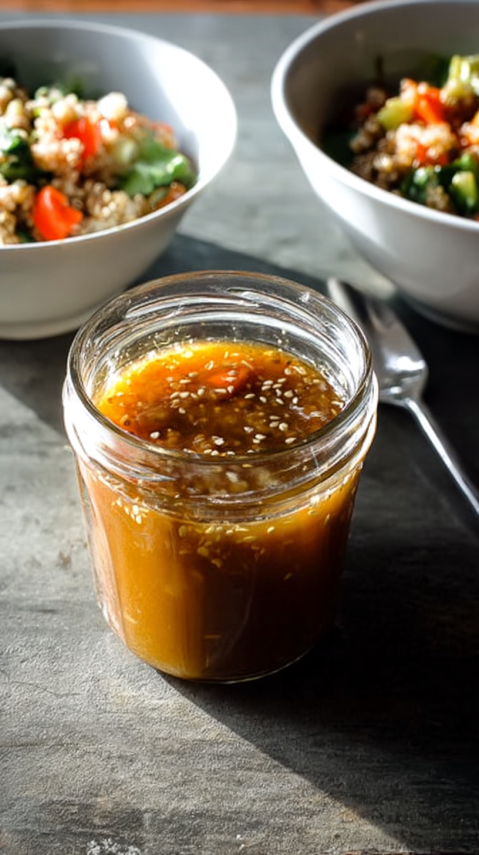
Asian sesame dressing brings together the nutty richness of sesame oil with the perfect balance of sweet and tangy notes that elevate any salad. This homemade version requires just a handful of ingredients but delivers restaurant-quality flavor that far surpasses anything you’ll find in bottles at the grocery store. The combination of aromatic sesame oil, seasoned rice vinegar, and a touch of honey creates a dressing that’s simultaneously bold and balanced – perfect for anyone looking to add authentic Asian flavors to their meal rotation.
Versatile Uses Beyond Salads
While this asian salad dressing recipe shines on traditional green salads, its versatility extends far beyond the salad bowl. Use it as a marinade for chicken or tofu, a dipping sauce for spring rolls, or a flavor booster for grain bowls. The adaptable nature of this dressing means you can incorporate it into countless meals throughout the week, making it a true kitchen staple that delivers consistent flavor with minimal effort.
Ingredients for Perfect Asian Sesame Dressing
Core Components
- ¼ cup extra virgin olive oil
- ¼ cup seasoned rice vinegar
- 1 ½ tablespoons honey (or maple syrup)
- 3 tablespoons sesame oil
- 1 ½ teaspoons soy sauce (reduced sodium)
- Pinch of salt
- 1-2 cloves garlic, minced (optional)
Understanding Key Ingredients
The foundation of any great asian sesame dressing begins with quality ingredients. Sesame oil provides the distinctive nutty flavor that defines this dressing, while seasoned rice vinegar offers a balanced acidity with a hint of sweetness. The addition of honey creates a subtle sweetness that rounds out the flavor profile, and the reduced-sodium soy sauce adds umami depth without overwhelming saltiness. For those who enjoy a more aromatic dressing, fresh minced garlic adds a wonderful complexity that develops as the dressing sits.
How to Make Asian Sesame Dressing Step by Step
Simple Preparation Method
- Gather all ingredients and measure them accurately for proper flavor balance.
- Combine the extra virgin olive oil, seasoned rice vinegar, honey, sesame oil, reduced-sodium soy sauce, and salt in a jar with a tight-fitting lid.
- If using, add the minced garlic to the mixture.
- Secure the lid tightly on the jar.
- Shake vigorously for about 30 seconds until all ingredients are thoroughly combined and the dressing appears emulsified.
- Taste and adjust seasonings if needed – add more honey for sweetness, salt for seasoning, or rice vinegar for tanginess.
- Transfer to the refrigerator to chill before serving, or use immediately.
Storage After Preparation
Once prepared, transfer your asian sesame dressing to a clean glass container with an airtight seal. The dressing will keep well in the refrigerator for up to two weeks. Before each use, allow the dressing to sit at room temperature for 5-10 minutes, then shake thoroughly as the oils may solidify slightly when chilled.
Tips & Variations for Perfect Asian Sesame Dressing
Ingredient Substitutions
- Sesame oil substitute: If you’re out of sesame oil, walnut oil can provide a similar nutty flavor, though the distinctive sesame taste will be missing. In a pinch, toasted sesame seeds blended with a neutral oil can approximate the flavor.
- Sub for rice vinegar: Apple cider vinegar mixed with a small amount of sugar works as a substitute for seasoned rice vinegar. White wine vinegar is another good alternative that maintains the dressing’s bright acidity.
- Coconut aminos alternative: For those avoiding soy, coconut aminos make an excellent substitute for soy sauce, offering similar umami flavor with less sodium. Tamari is another option for those who simply need a gluten-free alternative.
- Sweetener options: While honey provides ideal consistency, maple syrup works perfectly for a vegan version. Brown sugar dissolved in a small amount of warm water can also substitute.
Flavor Variations
- Spicy asian salad dressing: Add 1 teaspoon of sriracha or ½ teaspoon of red pepper flakes for heat.
- Ginger infusion: Incorporate 1 teaspoon of freshly grated ginger for a warming, aromatic element.
- Citrus brightness: Add 1 teaspoon of fresh lime or orange zest to brighten the flavor profile.
- Creamy version: Blend in 1 tablespoon of tahini for a creamier texture and enhanced sesame flavor.
- Herb infused: Mix in 1 tablespoon of finely chopped cilantro or green onions for a fresh dimension.
Texture Modifications
- Thicker dressing: Add an additional teaspoon of honey or half a teaspoon of dijon mustard to increase viscosity.
- Thinner consistency: Incorporate 1-2 teaspoons of water or a little extra vinegar if you prefer a more pourable consistency.
Serving Ideas for Asian Sesame Dressing
Perfect Salad Pairings
The versatility of this sesame dressing recipe makes it ideal for numerous salad combinations:
- Asian Cabbage Slaw: Thinly sliced cabbage, carrots, bell peppers, and edamame tossed with this dressing creates a vibrant slaw that pairs perfectly with grilled proteins.
- Kale and Quinoa Salad: Massage the dressing into sturdy kale leaves, then add cooked quinoa, mandarin oranges, and sliced almonds for a nutrient-dense meal.
- Cucumber Noodle Salad: Use a spiralizer to create cucumber noodles, then toss with this dressing, sesame seeds, and thinly sliced red onion for a refreshing side.
- Spinach and Strawberry Salad: The sesame dressing provides an unexpected but delightful contrast to baby spinach, fresh strawberries, and toasted almonds.
- Soba Noodle Salad: Cold soba noodles dressed with this asian sesame dressing and topped with julienned vegetables and green onions make for a satisfying lunch.
Beyond Salads
This asian sesame dressing extends well beyond traditional salads:
- Grain Bowl Drizzle: Enhance rice or quinoa bowls with a generous drizzle of this dressing over roasted vegetables and your protein of choice.
- Vegetable Dip: Serve as a dipping sauce for fresh vegetable crudités or spring rolls at your next gathering.
- Marinade: Use as a marinade for chicken, tofu, or salmon before grilling or baking — perfect for recipes like Grilled Huli Huli Chicken.
- Sandwich Spread: Mix with a bit of mayonnaise for a fusion sandwich spread that elevates ordinary sandwiches.
Storage and Shelf Life
Maximizing Freshness
Proper storage is essential for maintaining the quality of your homemade asian sesame dressing. Store it in a clean glass jar with a tight-fitting lid in the refrigerator. The dressing will naturally separate as it sits—this is normal and indicates you’ve used quality ingredients without artificial stabilizers. Simply shake well before each use to recombine the ingredients.
When properly stored, this dressing will maintain peak flavor for up to two weeks in the refrigerator. The sesame oil and vinegar act as natural preservatives, but the fresh garlic (if used) will limit shelf life. If you plan to store the dressing for longer periods, consider omitting the fresh garlic or using garlic powder as a substitute.
Can sesame oil go bad? Yes, sesame oil can oxidize over time, especially if exposed to heat and light. To maximize shelf life, store your sesame oil in a cool, dark place or in the refrigerator to extend its freshness, which will also improve the longevity of your dressing.
Other Asian Dressings to Try
FAQs About Asian Sesame Dressing
Is this Asian sesame dressing gluten-free?
This dressing can easily be made gluten-free by substituting traditional soy sauce with tamari or coconut aminos. Most other ingredients in the recipe are naturally gluten-free, but always check individual product labels for hidden sources of gluten, particularly in seasoned rice vinegar which occasionally contains gluten-based additives.
Can I make this into a low sodium salad dressing?
Absolutely! This recipe already uses reduced-sodium soy sauce, but you can further lower the sodium content by using coconut aminos (which contain approximately 65% less sodium than regular soy sauce) or a soy sauce with less sodium specifically formulated for low-sodium diets. Additionally, you can omit the pinch of salt entirely for an even lower sodium option without significantly impacting the overall flavor.
What can I substitute for rice vinegar if I don’t have any?
If you don’t have rice vinegar on hand, apple cider vinegar makes an excellent substitute—just add ¼ teaspoon of sugar per tablespoon of vinegar to mimic the slight sweetness of seasoned rice vinegar. White wine vinegar is another good alternative that offers similar acidity. In a pinch, you could even use fresh lemon juice mixed with a small amount of sugar, though this will create a slightly different flavor profile.
Conclusion
Why This Asian Sesame Dressing Deserves a Place in Your Rotation
This asian sesame dressing recipe strikes the perfect balance between simplicity and sophistication. With minimal prep time and readily available ingredients, you can create a versatile dressing that elevates everything from simple green salads to complex grain bowls. The complex flavor profile—nutty, tangy, slightly sweet, with umami depth—makes it a standout addition to your homemade condiment collection.
Explore More Homemade Dressing Options
Once you’ve mastered this asian sesame dressing, consider exploring other homemade dressing options that can transform your meals. From creamy avocado dressings to bright citrus vinaigrettes, the world of homemade salad dressings offers endless opportunities to customize flavors to your preference while avoiding the preservatives and excess sodium found in store-bought versions. The confidence you gain from making this dressing from scratch might just inspire a complete transition away from pre-made dressings forever!
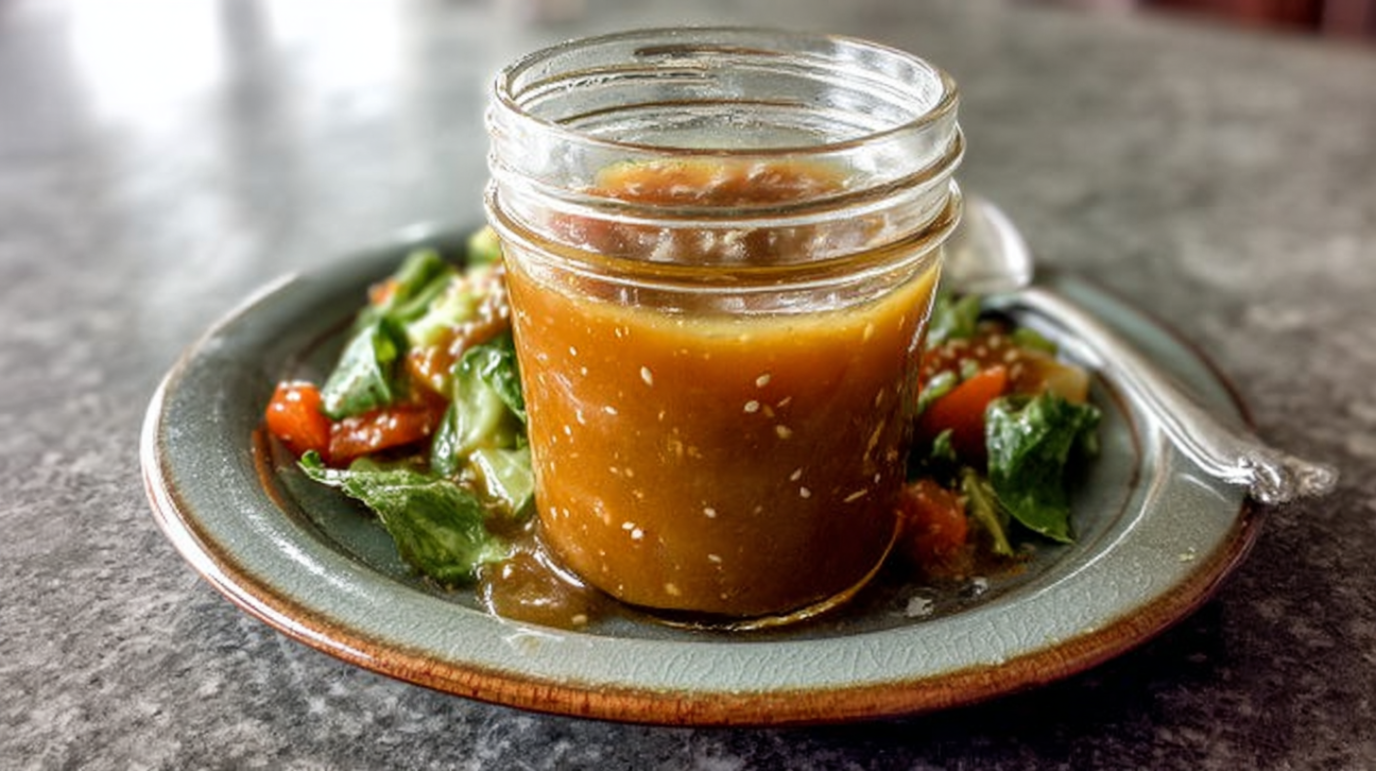
Homemade Asian Sesame Dressing
Ingredients
Equipment
Method
- Combine all ingredients in a glass jar with a tight-fitting lid.
- Secure the lid and shake vigorously for about 30 seconds until well combined.
- Taste and adjust seasonings if needed.
- Use immediately or refrigerate for up to 2 weeks.
Notes
- For a vegan version, substitute maple syrup for honey.
- If you don’t have seasoned rice vinegar, use regular rice vinegar and add ¼ teaspoon sugar.
- Shake well before each use as the dressing naturally separates when stored.