Irresistible Thai Peanut Sauce Recipe (Ready in 5 Minutes!)
Thai peanut sauce brings together the perfect harmony of creamy, sweet, salty, and spicy flavors that define Thai cuisine. This versatile sauce combines natural peanut butter with aromatic spices and umami-rich ingredients to create a dipping sauce that’s impossible to resist. Whether you’re looking for an authentic pad thai sauce or a low-sodium alternative to traditional Asian condiments, this homemade version delivers restaurant-quality taste with simple pantry ingredients.
Versatility Beyond Compare
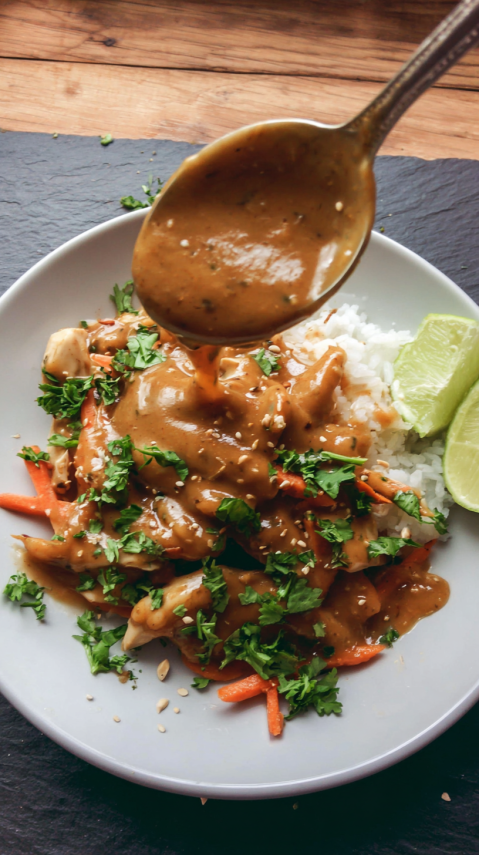
What makes this Thai peanut sauce truly special is its incredible versatility. While traditional in Thai fusion dishes like chicken satay with peanut sauce, it also works beautifully as a salad dressing, noodle sauce, or marinade. The beauty of making your own sauce is controlling exactly what goes into it—perfect for those seeking healthier alternatives like low sodium soy sauce options or sugar-free sweeteners. In just five minutes, you’ll have a sauce that transforms ordinary ingredients into extraordinary meals.
Essential Ingredients for Thai Peanut Sauce
The Base Components
- ⅓ cup natural peanut butter (85g) – if thick, microwave for about 15 seconds first
- ¼ teaspoon ground ginger (or ¼ teaspoon freshly minced ginger)
- 1 tablespoon maple syrup or agave (21g)
- 2 tablespoons low sodium soy sauce (30mL)
- 1 teaspoon rice wine vinegar (5mL)
- ½ teaspoon sesame seeds (1.5g)
- ¼ teaspoon crushed red pepper flakes (optional) (0.35g)
- 2-4 tablespoons hot water (30-60mL), adjusted for desired consistency
Understanding Your Ingredients
The foundation of any great Thai peanut sauce starts with quality ingredients. Natural peanut butter provides the creamy base—opt for varieties without added sugars or oils for the healthiest peanut butter option. Low sodium soy sauce offers the umami flavor without excessive salt, while rice wine vinegar (a perfect mirin substitute) adds necessary acidity. The maple syrup balances the sauce with natural sweetness, creating that authentic Thai spice and sweetness balance without refined sugars.
How to Make Thai Peanut Sauce Step-by-Step
Quick Preparation Method
- Gather all ingredients and measure them out for efficient preparation.
- If using thick peanut butter, microwave it for 15 seconds to soften.
- In a medium bowl, combine the peanut butter, ground ginger, maple syrup, low sodium soy sauce, and rice wine vinegar.
- Add the sesame seeds and crushed red pepper flakes (if using) to the mixture.
- Pour in 2 tablespoons of hot water initially.
- Whisk everything vigorously until completely smooth, or use a small blender or food processor for extra smoothness.
- Assess the consistency and gradually add more hot water as needed, depending on whether you want a thicker dip or thinner dressing.
- Taste and adjust the seasoning, adding more maple syrup for sweetness or soy sauce for saltiness as preferred.
Consistency Adjustments
The beauty of this Thai peanut sauce lies in its adaptability. For a thick dipping sauce perfect for spring rolls or satay, use just 2 tablespoons of hot water. For a pourable consistency ideal for Thai peanut noodles or as a salad dressing, add the full ¼ cup of hot water. Remember that the sauce will thicken slightly when refrigerated, so you might want to make it slightly thinner than your desired final consistency.
Tips & Variations for Perfect Thai Peanut Sauce
Smart Substitutions
- Peanut Butter Alternatives: If dealing with allergies, sunflower seed butter makes an excellent peanut butter substitute while maintaining a similar texture and flavor profile.
- Soy Sauce Options: For gluten-free needs, use tamari or coconut aminos as a tamari substitute. Both provide that essential umami flavor without wheat.
- Sweetener Choices: For sugar-free peanut butter sauce, substitute maple syrup with monk fruit sweetener or stevia (use about half the amount and adjust to taste).
- Vinegar Variations: No rice vinegar? Apple cider vinegar makes a workable mirin alternative in a pinch, though with a slightly different flavor profile.
- Spice Adjustments: For a sweet Thai chili sauce variation, increase the red pepper flakes to ½ teaspoon or add 1-2 teaspoons of sriracha or your favorite hot sauce.
Flavor Enhancements
- Fresh Aromatics: Add 1 clove of minced garlic or ½ teaspoon of pre-made ginger garlic paste for an aromatic boost.
- Citrus Brightness: A squeeze of fresh lime juice adds vibrant acidity.
- Herb Options: Stir in 1 tablespoon of chopped cilantro or Thai basil for fresh herb notes.
- Texture Additions: For more texture, increase sesame seeds to 1 teaspoon or add chopped peanuts.
- Coconut Variation: Replace some of the water with coconut milk for a richer, creamier sauce reminiscent of sweet basil Thai cuisine dishes.
Health Modifications
- Lower Fat Version: Use powdered peanut butter reconstituted with water for a low fat peanut butter alternative that cuts calories significantly.
- Sodium Reduction: Further reduce sodium by using less soy sauce and balancing flavor with a pinch more ginger and a touch of garlic powder.
- Extra Protein: Stir in a tablespoon of unflavored protein powder for added nutrition without affecting flavor.
Serving Ideas: Beyond the Ordinary
Perfect Salad Pairings
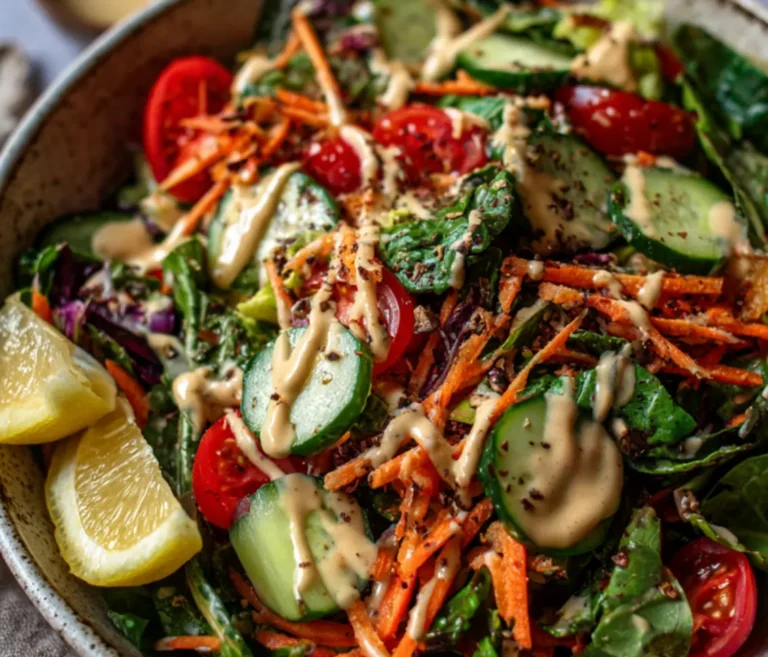
This Thai peanut sauce creates extraordinary salad dressings that elevate even the simplest greens. Here are some perfect pairings:
- Thai-Inspired Crunch Salad: Cabbage, carrots, bell peppers, and cucumber with this peanut dressing and crushed peanuts on top
- Ginger Thai Chicken Salad: Mixed greens, grilled chicken, mandarin oranges, and avocado with thinned peanut sauce
- Rainbow Vegetable Noodle Salad: Spiralized vegetables with edamame, topped with this sauce for a peanut noodles experience without actual noodles
- Tropical Thai Fusion Salad: Spinach, mango, red onion, and cashews with this dressing creates a sweet-savory combination
- Thai Quinoa Protein Bowl: Quinoa, roasted sweet potatoes, chickpeas, and kale with this sauce as a protein-rich dressing
Beyond Salads
This versatile Thai peanut sauce works wonderfully as:
- A dipping sauce for spring rolls or vegetable egg rolls, creating the ultimate peanut sauce experience.
- Drizzled over Buddha bowls or grain bowls
- Tossed with warm or cold noodles for instant Thai peanut noodles
- Marinade for chicken or tofu (wonderful for peanut butter chicken dishes)
- Dipping sauce for vegetables, making healthy snacking more exciting
- Coconut shrimp dipping sauce alternative with a Thai twist
Storing Your Homemade Thai Peanut Sauce
Refrigeration and Shelf Life
The natural question after making this delicious Thai peanut sauce is: how long does peanut butter sauce last? When stored properly in an airtight container in the refrigerator, this sauce stays fresh for up to 7 days. The natural oils in the peanut butter may separate during storage—this is completely normal and actually a sign you’re using quality, natural peanut butter without unwanted stabilizers.
Reviving Refrigerated Sauce
When you’re ready to use refrigerated Thai peanut sauce, you’ll notice it thickens considerably. To restore it to its original consistency:
- Remove from refrigerator about 15-20 minutes before using to let it warm slightly.
- Stir vigorously to recombine any separated oils.
- If still too thick, add a teaspoon of hot water at a time and stir until reaching desired consistency.
- For a quick revival, microwave for 10 seconds, stir, and repeat if necessary.
Just as you might wonder does soy sauce go bad, rest assured that the combination of acid from the vinegar and salt from the soy sauce helps preserve this sauce naturally in addition to refrigeration.
Other Asian Dressings to Try
FAQs About Thai Peanut Sauce
Can I make this Thai peanut sauce vegan?
Absolutely! This recipe is already vegan as written. If you want to incorporate fish sauce flavors without animal products, try adding a splash of vegan fish sauce or a pinch of seaweed powder for umami depth.
How can I make this Thai peanut sauce spicier?
To increase heat, double the red pepper flakes or add your preferred hot sauce. For authentic Thai spicy flavor, include 1-2 teaspoons of Thai chili paste or sambal oelek. Remember that the spice will intensify slightly as the sauce sits.
Is this healthier than store-bought Thai peanut sauce?
Yes! This homemade version contains no preservatives, artificial colors, or flavors. Using natural peanut butter and low sodium soy sauce significantly reduces the unhealthy fats and sodium compared to commercial versions. The calorie content is also controlled, with approximately 50 calories per tablespoon.
Can I use regular soy sauce instead of low-sodium?
You can substitute regular soy sauce, but reduce the amount to 1-1½ tablespoons to prevent the sauce from becoming too salty. Regular soy sauce contains about 900-1000mg sodium per tablespoon versus about 600mg in low sodium versions.
Conclusion: Thai Peanut Sauce Mastery
Why Homemade Makes a Difference
Making your own Thai peanut sauce gives you complete control over ingredients, allowing customization for dietary needs or flavor preferences. Unlike many store-bought options loaded with preservatives and excessive sodium, this homemade version highlights the natural richness of peanuts complemented by authentic Thai spices. The process takes just 5 minutes but delivers a sauce that tastes like it came from your favorite Thai restaurant.
Explore More Asian-Inspired Dressings
Now that you’ve mastered this versatile Thai peanut sauce, consider exploring other complementary homemade stir fry sauce recipes. A simple ginger-sesame dressing or sweet chili lime vinaigrette would pair beautifully with many of the same dishes. Each homemade sauce you master builds your culinary toolkit, reducing reliance on processed options while expanding your flavor horizons. Remember that the foundation of great Thai cuisine lies in balancing sweet, salty, sour, and spicy elements—a principle you can apply to countless other kitchen creations.
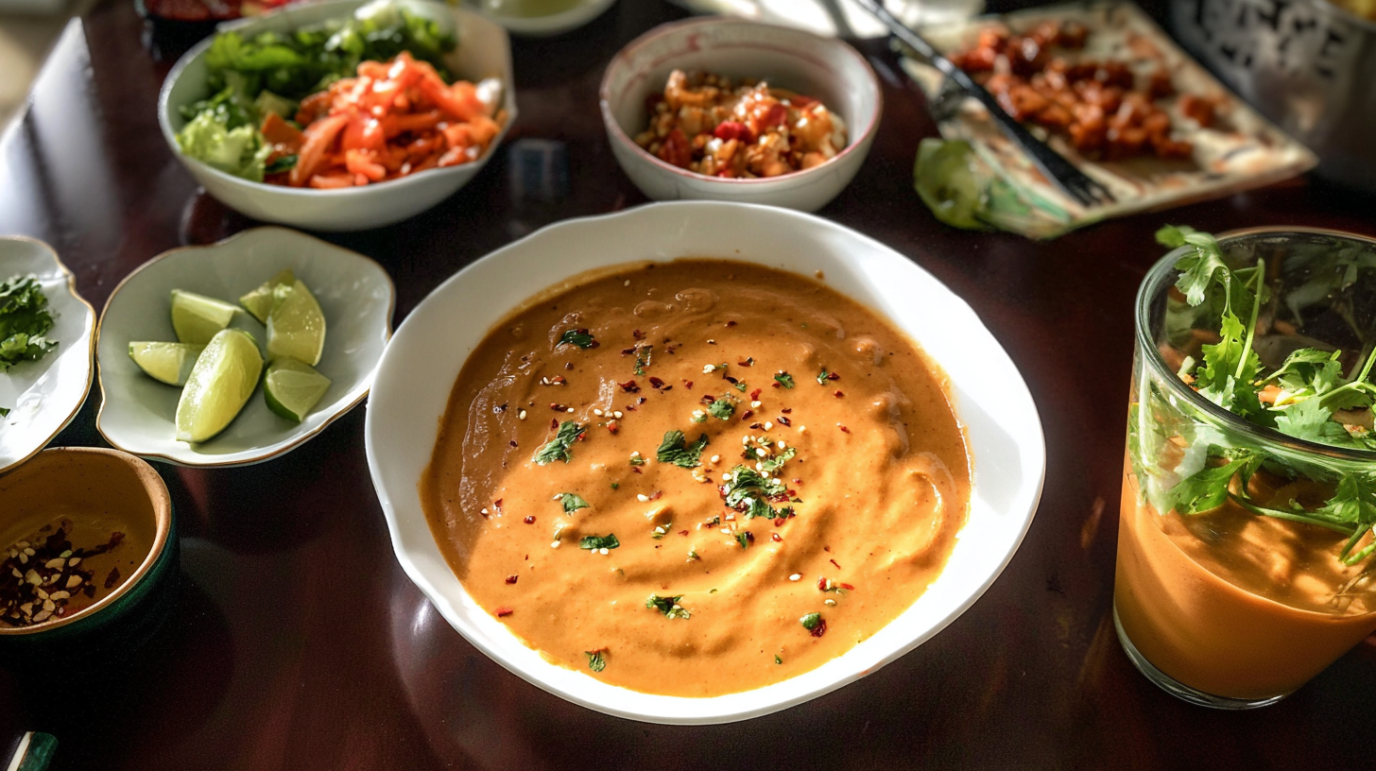
5-Minute Irresistible Thai Peanut Sauce
Ingredients
Equipment
Method
- If using thick peanut butter, microwave for 15 seconds to soften.
- Combine peanut butter, ginger, maple syrup, soy sauce, rice vinegar, sesame seeds, and red pepper flakes in a bowl.
- Add 2 tablespoons hot water and whisk until completely smooth.
- Add additional hot water as needed for desired consistency (thicker for dipping, thinner for dressing).
- Taste and adjust seasonings as needed.
Notes
- Store in an airtight container in the refrigerator for up to 7 days.
- Sauce will thicken when refrigerated. Allow to come to room temperature and stir before using, or add a splash of hot water to thin.
- For a spicier sauce, increase red pepper flakes or add sriracha.
- For a lower-fat version, use powdered peanut butter reconstituted with water.