Ultimate Bold Hijiki Salad for Your Crave-Worthy Seaweed Delight
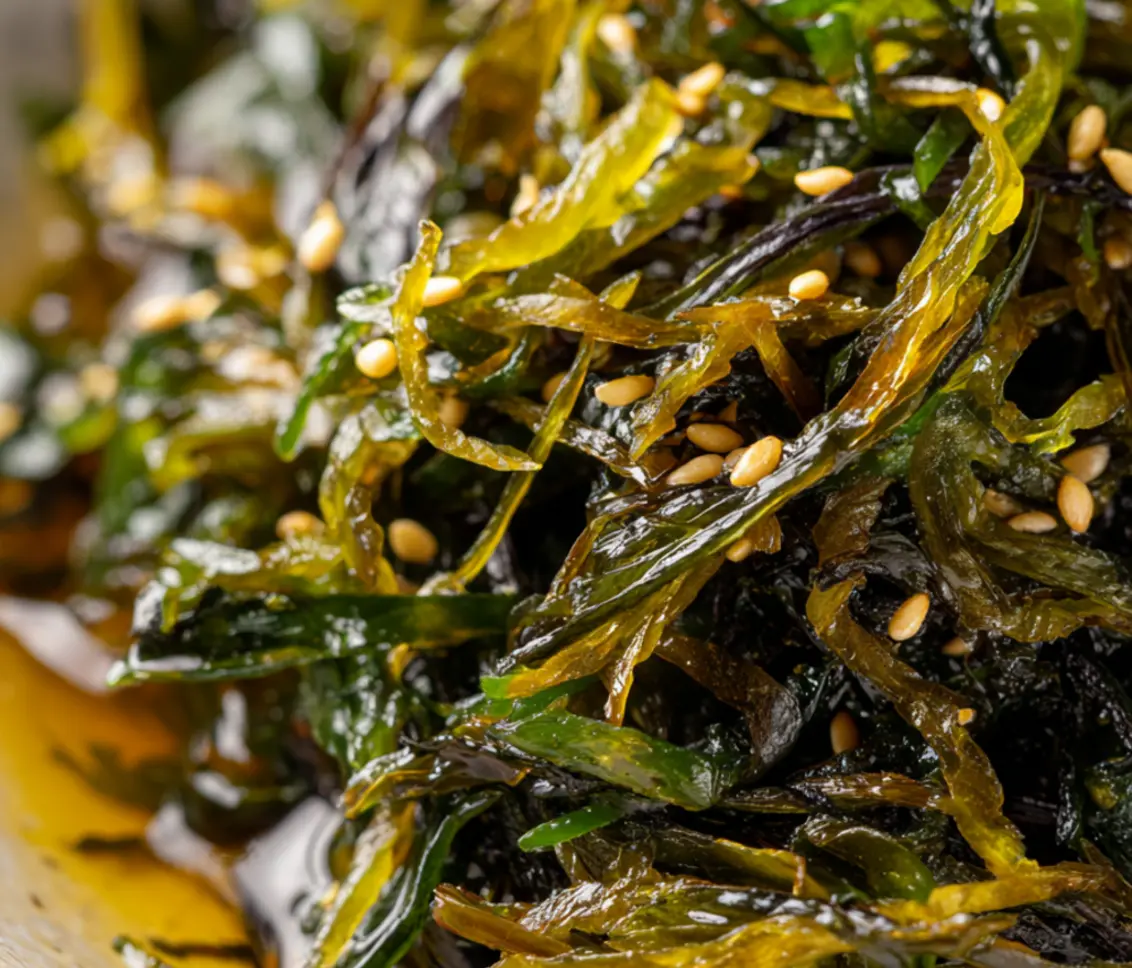
Hijiki salad offers a delightful introduction to Japanese seaweed cuisine with its distinctive umami flavor and delicate texture. This traditional dish combines rehydrated hijiki seaweed with fresh vegetables and a savory-sweet dressing that creates a perfectly balanced bite every time.
Not only is this salad incredibly nutritious as a good source of minerals and fiber, but it’s also remarkably easy to prepare. Whether you’re looking to explore Japanese cuisine or simply add more plant-based options to your meal rotation, this hijiki salad delivers both authentic flavor and impressive health benefits.
What Makes Hijiki Salad Special: Traditional Japanese Flavors
The Rich Cultural Heritage
Hijiki salad has been a staple in Japanese cuisine for centuries, valued both for its distinct taste and impressive nutritional profile. This sea vegetable grows wild on the rocky coastlines of Japan, Korea, and China, where it’s harvested, dried, and used in various traditional dishes.
What makes hijiki salad truly special is its perfect balance of textures and flavors. The rehydrated seaweed provides a pleasant chewiness while absorbing the umami-rich dressing. When combined with crisp vegetables and nutty sesame seeds, it creates a multi-dimensional dish that exemplifies the Japanese philosophy of balanced eating.
Traditionally served as a side dish or appetizer in Japanese homes and restaurants, hijiki salad is considered an essential part of washoku (traditional Japanese cuisine), which focuses on seasonal ingredients and thoughtful preparation. The dish’s simplicity highlights the Japanese culinary principle of letting natural ingredients shine without overwhelming them.
The Health Benefits of This Nutritious Seaweed Dish
Why Hijiki Salad Deserves a Place in Your Diet
Hijiki salad isn’t just delicious—it’s exceptionally nutritious. This Japanese seaweed salad packs an impressive array of health benefits that make it a worthwhile addition to any diet focused on wellness.
Rich in dietary fiber, hijiki supports digestive health and helps maintain steady blood sugar levels. This makes hijiki salad an excellent low-carb salad option for those monitoring their carbohydrate intake. The seaweed also contains significant amounts of calcium, iron, and magnesium—minerals that are often lacking in typical Western diets.
As a vegetarian salad, hijiki offers plant-based protein along with essential vitamins. The addition of sesame seeds further enhances its nutritional profile by providing heart-healthy fats and additional minerals. The ginger in the dressing adds anti-inflammatory properties, while the minimal processing keeps natural nutrients intact.
For those seeking to incorporate more sea vegetables into their diet, hijiki salad provides a delicious entry point with its mild flavor that doesn’t overwhelm the palate like some stronger-tasting seaweeds might. It’s an excellent way to diversify your nutritional intake with minimal effort.
Essential Ingredients for Authentic Hijiki Salad
Everything You Need
- 2 cups dried hijiki seaweed
- 2 cups water (for soaking)
- 2 tablespoons soy sauce (or tamari for gluten-free option)
- 1 tablespoon rice vinegar
- 1 teaspoon sesame oil
- 1 teaspoon sugar (or honey for natural sweetener)
- 1 teaspoon grated fresh ginger
- ½ cup sliced cucumber, cut into thin half-moons
- 1 tablespoon toasted sesame seeds
- ¼ cup thinly sliced carrots (optional)
- 2 tablespoons finely chopped green onions (optional)
- ½ cup edamame, shelled and blanched (optional)
- 1 tablespoon mirin (optional, for additional sweetness)
- Small sheet of nori, cut into thin strips (optional, for garnish)
The foundation of any authentic hijiki salad is, of course, quality dried hijiki seaweed. While packaged hijiki can be found in Asian grocery stores, natural food stores, or online specialty retailers, look for packages with deep black strands that appear clean and uniform in color for the best quality.
The dressing ingredients—soy sauce, rice vinegar, sesame oil, sugar, and ginger—create the perfect balance of savory, tangy, and slightly sweet flavors that complement the natural taste of the seaweed. Each component plays a vital role in developing the characteristic flavor profile that makes hijiki salad so irresistible.
How to Prepare Hijiki Seaweed Before Adding to Your Salad
The Critical Rehydration Process
Properly preparing hijiki seaweed is crucial for achieving the right texture and flavor in your salad. The dried seaweed must be thoroughly rehydrated and rinsed to remove any saltiness while preserving its natural minerals.
Begin by examining your dried hijiki to remove any potential foreign matter. Place it in a large bowl and cover with cold water, gently agitating to ensure all pieces are submerged. Let the seaweed soak for about 5-10 minutes for an initial rinse, then drain thoroughly.
For the main rehydration, place the rinsed hijiki in a bowl with 2 cups of fresh water and allow it to soak for 20-30 minutes. You’ll notice the seaweed will expand considerably—typically growing to about 3-5 times its dried size. The strands should become flexible and tender, but still retain a pleasant chewiness.
After rehydration, drain the hijiki through a fine-mesh strainer and gently squeeze out excess moisture. This step prevents your salad from becoming watery and helps the dressing adhere better to the seaweed. Some recipes call for briefly simmering the hijiki after rehydrating, but for a fresher salad with more texture, the cold-soak method works perfectly.
Step-by-Step Instructions for Perfect Hijiki Salad
How to Make It Perfectly
- Place dried hijiki in a large bowl and rinse thoroughly under cold running water, using your fingers to gently separate the strands. Drain completely.
- Cover the rinsed hijiki with 2 cups of cold water and let soak for 20-30 minutes until fully rehydrated and tender. The seaweed will expand significantly during this process.
- While the seaweed soaks, prepare the dressing by whisking together soy sauce, rice vinegar, sesame oil, sugar, and grated ginger in a medium bowl until the sugar dissolves completely. Taste and adjust seasonings if needed.
- Drain the rehydrated hijiki through a fine-mesh strainer, then gently squeeze out excess water using clean hands. The texture should be tender but still slightly chewy.
- Transfer the drained hijiki to a mixing bowl and pour about three-quarters of the prepared dressing over it. Toss gently to coat the seaweed evenly and allow it to marinate for 5-10 minutes.
- Add the sliced cucumber and any optional ingredients like carrots, edamame, or green onions to the seasoned hijiki. Gently fold everything together, being careful not to break the vegetable slices.
- Pour the remaining dressing over the salad and toss once more to ensure everything is well coated. Taste and adjust seasonings if necessary.
- Transfer the hijiki salad to a serving dish and sprinkle with toasted sesame seeds. For the best flavor development, cover and refrigerate for at least 30 minutes before serving.
- Just before serving, give the salad a final gentle toss and garnish with additional sesame seeds or strips of nori if desired.
Tips & Variations for Customizing Your Hijiki Salad
Simple Ways to Customize the Recipe
- Texture Enhancement: For added crunch, incorporate thinly sliced water chestnuts or diced jicama into your hijiki salad. The contrasting textures work wonderfully with the chewy seaweed.
- Protein Boost: Transform your side dish into a complete meal by adding cubed tofu (firm, pre-baked for texture), tempeh, or even small pieces of cooked salmon for non-vegetarians.
- Heat Factor: If you enjoy spicy food, add a small amount of wasabi to the dressing or incorporate finely minced jalapeño into the salad for a pleasant heat that complements the umami flavors.
- Citrus Brightness: A teaspoon of yuzu juice or fresh lemon zest added to the dressing brings a bright, aromatic quality that cuts through the richness of the sesame oil.
- Seasonal Adaptations: In summer, add diced avocado and thinly sliced radishes; in fall, try roasted diced sweet potato or kabocha squash for seasonal variations.
- Garnish Creatively: Sprinkle with furikake (Japanese seasoning blend), microgreens, or crushed nori sheets just before serving for an elevated presentation and additional flavor dimensions.
- Dressing Variations: For a creamier version, add a teaspoon of tahini or Japanese mayonnaise to the dressing. For more sweetness, incorporate a touch of mirin or maple syrup instead of regular sugar.
Salad Dressings That Pair Well With Hijiki Salad
Complementary Homemade Dressings
While hijiki salad comes with its own traditional dressing, you might want to experiment with other complementary flavors that enhance the seaweed’s natural taste. These homemade dressing options work beautifully with the unique texture and flavor profile of hijiki:
- Ginger Dressing: The bright, zesty notes of homemade ginger salad dressing complement hijiki’s oceanic flavor perfectly. The slight sweetness and warming properties of ginger create a beautiful harmony with the mineral-rich seaweed.
- Miso Vinaigrette: The fermented complexity of miso vinaigrette adds depth to hijiki salad. The umami notes in both the miso and seaweed create a sophisticated flavor profile that’s both authentic and deeply satisfying.
- Sesame Dressing: The nutty richness of homemade Asian sesame dressing enhances hijiki’s natural flavors. This dressing amplifies the sesame notes already present in traditional hijiki salad while adding a silky texture.
Each of these dressings can be adjusted to suit your personal taste preferences. For a lighter touch, dilute slightly with a bit of water or rice vinegar. For more pronounced flavor, allow the dressed hijiki salad to marinate in the refrigerator for 1-2 hours before serving.
What to Serve With Japanese Hijiki Salad
Creating a Complete Japanese-Inspired Meal
Hijiki salad works beautifully as part of a larger Japanese meal or as an accompaniment to other Asian-inspired dishes. Its distinctive umami flavor and pleasant texture make it an excellent side dish that complements both simple and complex main courses.
For an authentic Japanese experience, serve hijiki salad alongside steamed rice, miso soup, and grilled fish or tofu. This combination creates a balanced meal that follows washoku principles of incorporating different flavors, textures, and cooking methods. The hijiki provides a contrasting texture to the softness of rice while adding mineral-rich depth to the meal.
If you’re looking to expand your seaweed repertoire, consider preparing a variety of seaweed dishes for a themed meal. This seaweed salad recipe offers another delicious preparation that pairs wonderfully with hijiki salad, allowing you to experience different textures and flavors of sea vegetables in one meal.
Fusion Pairings for Modern Meals
For a more contemporary approach, hijiki salad makes an excellent side dish for rice bowls, noodle dishes, or even alongside sandwiches and wraps. The slight saltiness and umami notes of the seaweed provide a pleasant contrast to milder foods.
Try serving small portions of hijiki salad as a flavorful accompaniment to avocado toast for a nutritious breakfast with international flair. For lunch, add a scoop alongside a grain bowl with quinoa, roasted vegetables, and a soft-boiled egg for a satisfying meal rich in various nutrients.
For dinner parties, consider presenting hijiki salad as part of a tapas-style spread. The unique flavor profile serves as an interesting conversation starter while introducing guests to the delights of Japanese cuisine in an approachable format.
Storage and Make-Ahead Tips for Fresh Hijiki Salad
How to Store It Safely
Hijiki salad actually improves in flavor when allowed to marinate, making it an excellent make-ahead dish for busy weekdays or entertaining. When properly stored, the salad maintains its texture and flavor profile while the ingredients continue to meld together beautifully.
For optimal freshness, store your prepared hijiki salad in an airtight container in the refrigerator. The salad will keep well for up to 3 days, though the texture of the vegetables may soften slightly over time. If you’ve added cucumber, it’s best consumed within 24-48 hours before it begins to release too much water into the salad.
If you’re planning to make hijiki salad ahead for a special occasion, consider preparing the components separately. Store the marinated hijiki and dressing together, but keep crisp vegetables separate until shortly before serving. This approach preserves the ideal texture of each ingredient while still allowing the hijiki to develop rich flavor.
Before serving refrigerated hijiki salad, allow it to sit at room temperature for about 15 minutes, then give it a gentle toss. This brings out the flavors that might have become muted while cold. If the salad seems dry after storage, you can refresh it with a small splash of rice vinegar or a few drops of sesame oil.

FAQs About hijiki salad
Is hijiki salad healthy?
Yes, hijiki salad is extremely nutritious. It’s rich in dietary fiber, minerals (including calcium, iron, and magnesium), and antioxidants. The seaweed is naturally low in calories and carbohydrates, making it an excellent choice for those following a low-carb or weight management plan. The addition of fresh vegetables and minimal oil keeps the salad light while maximizing nutritional benefits.
Where can I buy hijiki seaweed?
Dried hijiki seaweed can be purchased at Asian grocery stores, particularly Japanese markets, well-stocked natural food stores, and specialty shops. It’s also widely available through online retailers specializing in Asian ingredients or general online marketplaces. Look for packages labeled specifically as “hijiki” rather than generic seaweed mixes, and choose products that appear uniformly black and clean for the best quality.
Can I substitute another seaweed if I can’t find hijiki?
While hijiki has a unique texture and flavor, you can substitute arame seaweed as the closest alternative. Arame has a milder flavor and finer texture but works similarly in recipes. Other sea vegetables like wakame or dulse can be used but will create a different final dish with varying textures and flavors. Each seaweed has its own rehydration time, so adjust your preparation method accordingly.
Embrace the Tradition of Japanese Seaweed Cuisine
Final Thoughts
Hijiki salad represents a perfect introduction to the wonderful world of seaweed cuisine and traditional Japanese flavors. With its delicate balance of umami, slight sweetness, and pleasant texture, this dish demonstrates how simple ingredients can transform into something truly special when prepared with care and attention.
Beyond its delicious taste, this hijiki salad offers impressive nutritional benefits that align perfectly with modern interest in functional foods. Rich in minerals, fiber, and plant compounds, it exemplifies how traditional cuisines often intuitively incorporated highly nutritious ingredients long before their benefits were scientifically understood.
Whether you’re exploring Japanese cuisine, looking to incorporate more sea vegetables into your diet, or simply seeking new flavor experiences, hijiki salad deserves a place in your culinary repertoire. The preparation process is straightforward, the ingredients are increasingly available, and the results offer both satisfaction and nourishment in equal measure.
As you become comfortable with the basic recipe, don’t hesitate to experiment with the suggested variations or create your own unique interpretation. The versatility of hijiki salad makes it an excellent canvas for culinary creativity while still honoring its traditional roots. Enjoy this delightful seaweed salad as part of your journey into the rich world of Japanese plant-based cuisine.
Other Salads to Try
Authentic Japanese Hijiki Salad
Ingredients
Equipment
Method
- Rinse dried hijiki under cold running water, gently separating the strands with your fingers. Drain thoroughly.
- Place rinsed hijiki in a large bowl and cover with 2 cups of water. Let soak for 20-30 minutes until fully rehydrated and tender. The seaweed will expand significantly.
- While the hijiki soaks, prepare the dressing by whisking together soy sauce, rice vinegar, sesame oil, sugar, and grated ginger in a small bowl until sugar dissolves completely.
- Drain the rehydrated hijiki through a fine-mesh strainer, then gently squeeze out excess water using clean hands.
- Transfer the drained hijiki to a mixing bowl and pour about three-quarters of the prepared dressing over it. Toss gently to coat evenly and allow to marinate for 5-10 minutes.
- Add the sliced cucumber and any optional ingredients (carrots, edamame, green onions) to the seasoned hijiki. Fold everything together gently.
- Pour the remaining dressing over the salad and toss once more to ensure everything is well coated. Taste and adjust seasonings if necessary.
- Transfer to a serving dish and sprinkle with toasted sesame seeds. For best flavor development, cover and refrigerate for at least 30 minutes before serving.
- Just before serving, give the salad a final gentle toss and garnish with additional sesame seeds if desired.
Notes
- For the most authentic flavor, use Japanese soy sauce (shoyu) rather than Chinese varieties, as they have slightly different flavor profiles.
- Fresh hijiki has a naturally mild oceanic flavor – if yours tastes overly fishy, it may not be fresh and should be discarded.
- The salad will keep well in the refrigerator for up to 3 days in an airtight container.
- Allow refrigerated hijiki salad to sit at room temperature for 15 minutes before serving for the best flavor.