Easy Crave-Worthy Falafel Salad for Fresh, Bold Flavors
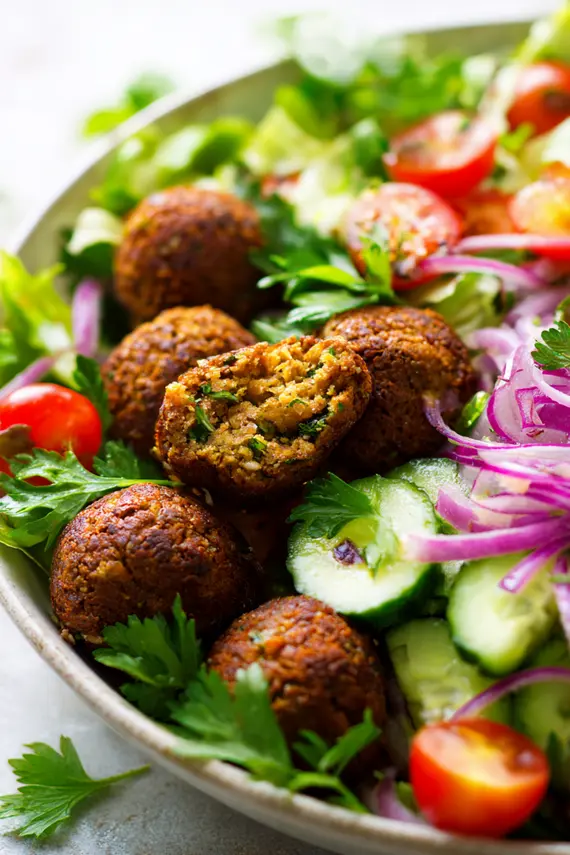
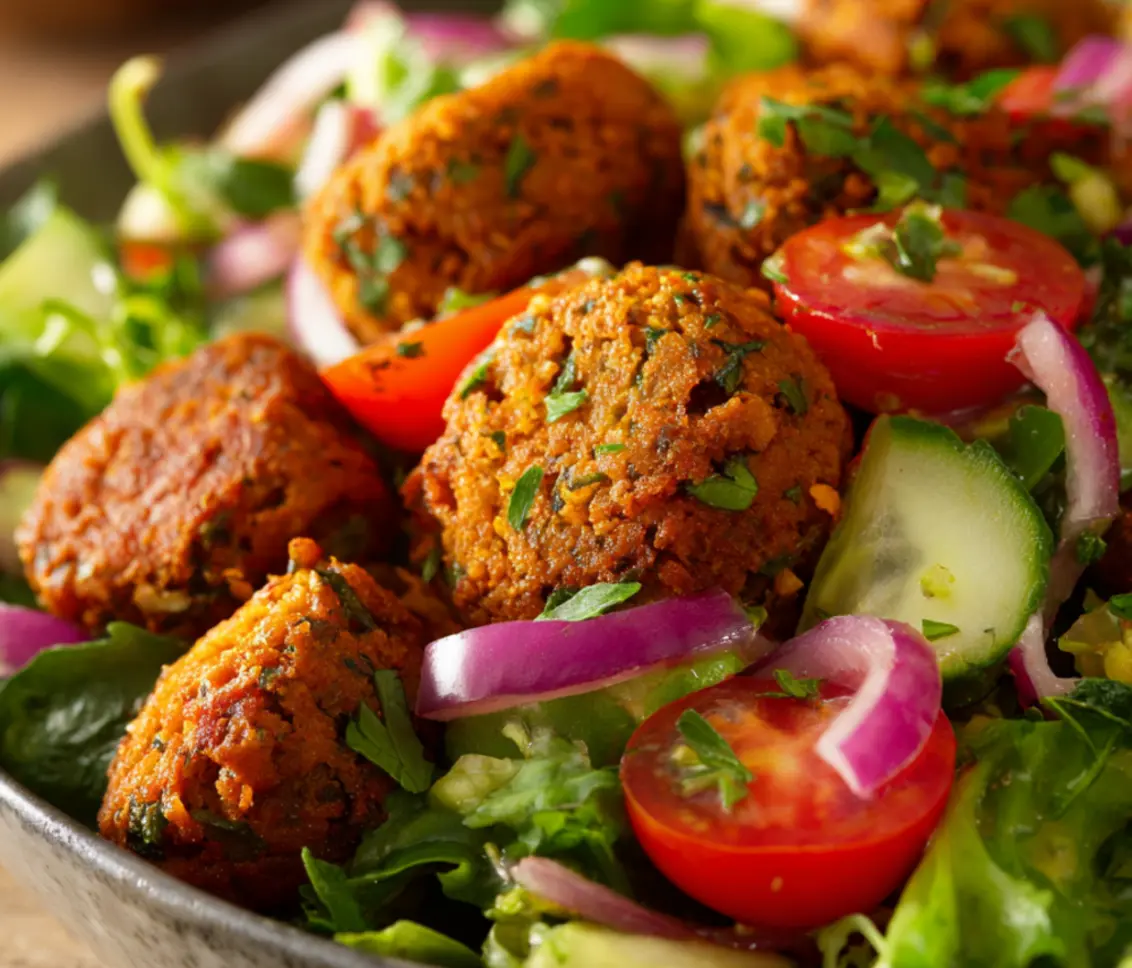
Falafel salad combines the hearty, protein-rich goodness of crispy chickpea falafel with fresh, vibrant vegetables for a satisfying Mediterranean-inspired meal. This versatile dish brings together the earthy flavors of traditional falafel with the refreshing crunch of cucumber, sweet juiciness of tomatoes, and the peppery bite of mixed greens, all tied together with a simple lemon-olive oil dressing.
Whether you’re looking for a meatless Monday option or a protein-packed lunch that travels well, this falafel salad delivers exceptional nutrition without compromising on flavor. The combination of plant-based protein and fiber-rich vegetables makes it both filling and nourishing—perfect for busy weekdays or casual weekend gatherings.
The Rich History Behind Mediterranean Falafel Salad
Ancient Origins of a Modern Favorite
Falafel salad has roots that stretch back through centuries of Middle Eastern and Mediterranean cuisine. Traditional falafel—typically made from ground chickpeas or fava beans formed into balls and deep-fried—has been a staple street food throughout the Levant region for generations. This hearty plant protein has been nourishing people since ancient Egyptian times, with historians believing it may date back over 1,000 years.
The evolution of falafel into a modern salad component represents the beautiful fusion of traditional cooking methods with contemporary health-conscious dining. While falafel has long been enjoyed wrapped in pita bread, its transformation into a salad ingredient reflects our growing appreciation for lighter, vegetable-forward meals that maintain cultural authenticity while adapting to today’s nutritional preferences.
In Mediterranean food culture, meals are meant to be shared and celebrated, and falafel salad embodies this philosophy perfectly. The colorful medley of vegetables alongside protein-rich falafel creates not just a nutritious dish but a visual feast that honors the region’s emphasis on both flavor and presentation.
Essential Ingredients for the Perfect Falafel Salad
Everything You Need for Mediterranean Flavor
Creating a vibrant falafel salad requires a thoughtful balance of textures, flavors, and nutrients. The ingredients below form the foundation of this Mediterranean-inspired dish, with several optional additions to customize based on your preferences:
- 1 cup prepared falafel, crumbled (homemade or store-bought)
- 4 cups mixed greens (arugula, spinach, romaine, or spring mix)
- 1 cucumber, diced (Persian or English varieties work best)
- 1 cup cherry tomatoes, halved
- 1/4 red onion, thinly sliced
- 2 tablespoons fresh parsley, chopped
- 2 tablespoons extra virgin olive oil
- 1 tablespoon fresh lemon juice
- Salt and pepper to taste
- 1/2 cup Kalamata olives, pitted and halved (optional)
- 1/3 cup crumbled feta cheese (optional, omit for vegan version)
- 1 bell pepper, diced (optional)
- 1/4 cup fresh mint leaves, torn (optional)
- 1 tablespoon za’atar seasoning (optional)
- 2 tablespoons tahini (optional, for drizzling)
- 1/4 cup pickled red cabbage (optional)
- 2 tablespoons toasted pine nuts (optional)
For maximum flavor and texture, I recommend using freshly made falafel rather than the pre-packaged variety, though both will work in this versatile recipe. The combination of crisp vegetables, tender greens, and protein-rich falafel creates a perfectly balanced meal that’s as nutritious as it is delicious.
Crafting Your Mediterranean Falafel Salad Step-by-Step
How to Make It Perfectly Every Time
This falafel salad comes together quickly but benefits from thoughtful preparation. Follow these steps for a restaurant-quality result that celebrates the vibrant flavors of Mediterranean cuisine:
- Combine mixed greens, cucumber, cherry tomatoes, red onion, and parsley in a large bowl. Mix gently to distribute the ingredients evenly without bruising the delicate greens.
- If using optional ingredients like bell peppers, olives, or mint, fold them in now, noticing how they add bright pops of color to the salad base.
- Add crumbled falafel on top of the vegetables. For the best texture contrast, make sure your falafel is completely cooled if freshly made, but still retains its crispy exterior. Break it into bite-sized pieces rather than very fine crumbles.
- Whisk olive oil, lemon juice, salt, and pepper together in a small bowl to make a simple dressing. Taste and adjust seasoning as needed—the dressing should be bright and lemony to cut through the richness of the falafel.
- If using za’atar seasoning, stir it into the dressing now for an authentic Middle Eastern flavor profile that complements the chickpea falafel perfectly.
- Drizzle dressing over the salad just before serving and toss gently to coat. Be careful not to overmix, as this can cause the falafel to break down too much.
- If using tahini, drizzle it across the top of the dressed salad in a zigzag pattern for both visual appeal and creamy texture contrast.
- Finish with a sprinkle of toasted pine nuts if using, which add a wonderful nutty crunch that elevates the entire dish.
- Serve immediately and enjoy while the falafel maintains its ideal texture—slightly crisp on the outside while tender inside.
For the most authentic experience, serve this falafel salad at room temperature rather than chilled. This allows the aromatic herbs and spices to fully express themselves, creating a more vibrant flavor profile that truly captures the essence of Mediterranean cuisine.
Expert Tips & Creative Variations for Your Falafel Salad
Simple Ways to Customize the Recipe
Take your falafel salad from good to exceptional with these professional tips and creative variations that build on the traditional Mediterranean profile while allowing for personal preferences:
- Falafel Preparation: For the best texture, avoid over-processing your falafel mixture if making from scratch. A slightly coarse texture creates better crumbles for the salad than a smooth paste.
- Herb Boost: Try adding fresh dill, cilantro, or even oregano alongside the parsley for a more complex herb profile that complements the earthy chickpea falafel.
- Grain Addition: Transform this into a heartier meal by adding 1/2 cup of cooked bulgur, quinoa, or farro for additional texture and sustained energy.
- Veggie Variations: During summer, incorporate grilled zucchini or eggplant for a smoky element that pairs beautifully with the falafel’s spices.
- Protein Boost: For non-vegans, add a soft-boiled egg or grilled halloumi cheese to increase protein content while maintaining the Mediterranean character.
- Spice Adjustment: If you enjoy heat, add a pinch of Aleppo pepper or a few thin slices of fresh jalapeño to create a subtle warmth throughout the salad.
- Citrus Upgrade: Try substituting preserved lemon rind (finely chopped) for some of the fresh lemon juice to introduce a unique, complex flavor dimension.
- Crispy Chickpeas: For extra protein and crunch, top with roasted chickpeas seasoned with cumin and paprika as a companion to the crumbled falafel.
Remember that falafel salad is incredibly forgiving and adaptable. Don’t hesitate to adjust quantities based on your preference for certain ingredients or to accommodate what’s freshest at your local market. The goal is to maintain the balance between the protein-rich falafel, fresh vegetables, and bright dressing while making the dish your own.
Salad Dressings That Pair Well With Falafel Salad
Complementary Homemade Dressings
While the simple olive oil and lemon juice dressing included in this recipe works beautifully, exploring different dressing options can transform your falafel salad and keep it exciting with each preparation. Here are some exceptional homemade dressings that complement the earthy flavors of chickpea falafel:
- Mediterranean Green Goddess Dressing – This herbaceous, creamy dressing adds incredible depth to falafel salad with its blend of fresh herbs and tangy yogurt base.
- Za’atar Vinaigrette – For authentic Middle Eastern flavor that perfectly complements the spices in traditional falafel, this aromatic dressing creates harmony throughout the dish.
- Lemon Dill Vinaigrette – The bright, citrusy notes with delicate dill create a refreshing contrast to the rich falafel, elevating the entire salad experience.
When selecting or creating a dressing for your falafel salad, consider the balance of acidity and fat. The ideal dressing should cut through the density of the falafel while enhancing—rather than overwhelming—the fresh vegetables and herbs. For a vegan option, substitute tahini-based dressings for those containing yogurt or dairy.
What to Serve With Fresh Falafel Salad for a Complete Meal
Mediterranean Companions for a Balanced Table
Falafel salad works beautifully as a standalone lunch or light dinner, but pairing it with complementary sides creates a more substantial and satisfying meal experience. For a complete Mediterranean spread, consider these traditional accompaniments:
Warm, pillowy pita bread makes an ideal companion to falafel salad, perfect for scooping up every last morsel and adding a comforting carbohydrate element. For a lighter option, try toasted whole grain pita triangles or lavash crackers that provide crunch without heaviness.
Hummus or baba ganoush served alongside creates a delightful textural contrast while maintaining the Mediterranean theme. The creamy smoothness of these dips complements the crisp vegetables and hearty falafel, creating a more luxurious dining experience.
Fusion Pairings for Modern Meals
For those looking to explore beyond traditional Mediterranean pairings, consider international fusion options that still harmonize with the flavor profile of falafel salad:
A light seaweed salad creates an unexpected but delightful pairing that adds umami notes and interesting texture contrast. This fusion approach works surprisingly well, with the brightness of the seaweed complementing the earthiness of the falafel.
Roasted sweet potato wedges seasoned with similar spices (cumin, coriander, paprika) create a cohesive flavor story while adding a warm, comforting element to balance the cool, crisp salad. The natural sweetness offers a pleasant counterpoint to the savory falafel.
Whether you choose traditional or fusion accompaniments, the key is balancing flavors, textures, and nutritional components to create a well-rounded meal that satisfies on multiple levels.
Storage Solutions for Leftover Falafel Salad
How to Store It Safely for Maximum Freshness
Proper storage is crucial for maintaining the distinct textures that make falafel salad so appealing. Follow these professional recommendations to keep your leftovers at their best:
For maximum freshness, store the components of your falafel salad separately whenever possible. Keep the dressed greens and vegetables in one airtight container and the crumbled falafel in another. This prevents the falafel from becoming soggy and maintains the crispness of the vegetables. These separated components will keep well for 2-3 days in the refrigerator.
If you’ve already combined all ingredients, consume leftovers within 24 hours for the best quality. The mixed salad will still be safe to eat for up to 2 days, but the texture will progressively deteriorate as the greens wilt and the falafel absorbs moisture.
Always store your falafel salad in the coldest part of your refrigerator, typically the back of the bottom shelf, rather than in the door where temperature fluctuations occur. Glass containers with tight-fitting lids are ideal as they won’t absorb odors or flavors and keep everything fresher longer.
When preparing falafel salad for meal prep, consider layering the ingredients in mason jars with dressing at the bottom, followed by sturdy vegetables, then greens, and finally the falafel on top. This keeps everything separate until you’re ready to shake it up and enjoy.
Freezing is not recommended for falafel salad as the high water content in the vegetables will create ice crystals that damage cellular structure, resulting in mushy textures upon thawing. However, plain falafel can be frozen separately for up to 3 months and then thawed and crumbled into fresh salads as needed.
FAQs About falafel salad
Can I use canned chickpeas instead of falafel for this salad?
While traditional falafel provides the ideal texture and flavor profile for this Mediterranean salad, you can substitute canned chickpeas in a pinch. For the best results, drain and rinse the chickpeas thoroughly, then toss them with olive oil, cumin, coriander, garlic powder, and salt before roasting at 400°F (200°C) for about 20 minutes until crispy. This provides a similar protein component with comparable Mediterranean flavors, though the texture will be different from traditional falafel.
Is falafel salad healthy?
Falafel salad is exceptionally nutritious, offering a balanced combination of plant-based protein, fiber, healthy fats, and essential vitamins and minerals. The chickpea base of falafel provides protein and complex carbohydrates, while the fresh vegetables deliver fiber, antioxidants, and micronutrients. The olive oil contains heart-healthy monounsaturated fats, and the herbs add additional phytonutrients. To maximize the health benefits, opt for baked rather than fried falafel and be mindful of dressing portions to control overall calorie content.
How can I make this falafel salad more filling for dinner?
To transform falafel salad into a more substantial dinner, incorporate additional sources of complex carbohydrates and healthy fats. Try adding 1/2 cup of cooked whole grains like bulgur, freekeh, or quinoa to boost fiber and create a more satisfying meal. Increase the protein content by doubling the amount of falafel or adding 1/4 cup of toasted walnuts or pumpkin seeds. For healthy fats that increase satiety, include 1/4 avocado sliced on top or increase the amount of olive oil in your dressing. These additions will create a more energy-dense meal without compromising the Mediterranean flavor profile.
Embracing the Mediterranean Way Through Falafel Salad
Final Thoughts
Falafel salad represents more than just a nutritious meal—it embodies the Mediterranean approach to eating that balances flavor, nutrition, and cultural tradition. By combining protein-rich chickpea falafel with fresh vegetables and aromatic herbs, you create a dish that nourishes both body and spirit, connecting you to centuries of culinary wisdom.
What makes this vegan protein salad particularly special is its versatility. Whether you’re hosting friends for a casual lunch, preparing weekday meals, or seeking to incorporate more plant-based options into your routine, falafel salad adapts beautifully to your needs while maintaining its essential character and nutritional benefits.
As you experiment with different variations of this fresh herb salad—perhaps adding more Mediterranean ingredients like pomegranate arils or sumac—you’ll discover the joy of personalization that makes cooking such a rewarding experience. The foundational elements of crispy falafel, vibrant vegetables, and bright dressing provide a canvas for endless creativity.
I encourage you to embrace not just the flavors but also the mindful eating approach that Mediterranean cuisine encourages. Take time to appreciate the colors, textures, and aromas of your falafel salad. Share it with others whenever possible, honoring the communal spirit that makes food more than mere sustenance.
The next time you’re looking for a satisfying meal that delivers both nutrition and pleasure, remember this falafel salad. It stands as proof that healthful eating need never compromise on flavor—in fact, the healthiest foods often deliver the most vibrant, authentic taste experiences.
Other Salads to Try
Mediterranean Falafel Salad
Ingredients
Equipment
Method
- Combine mixed greens, cucumber, cherry tomatoes, red onion, and parsley in a large bowl. Mix gently to distribute the ingredients evenly.
- Add any optional vegetables or herbs you’re using (bell peppers, olives, mint) and toss to incorporate.
- Add crumbled falafel on top of the vegetables. Make sure your falafel is completely cooled if freshly made.
- In a small bowl, whisk together olive oil, lemon juice, salt, and pepper to make a simple dressing. Add za’atar seasoning if using.
- Drizzle dressing over the salad just before serving and toss gently to coat all ingredients.
- If using tahini, drizzle it across the top of the dressed salad in a zigzag pattern.
- Finish with a sprinkle of toasted pine nuts and/or crumbled feta if using.
- Serve immediately at room temperature for the most flavorful experience.
Notes
- For the best texture, use freshly made falafel rather than frozen when possible.
- If meal prepping, store components separately and assemble just before eating.
- This salad can be made up to 2 hours ahead and kept at room temperature before serving.
- For a gluten-free version, ensure your falafel doesn’t contain breadcrumbs or wheat flour.