Easy Lemon Vinaigrette: The Perfect Homemade Dressing in 5 Minutes
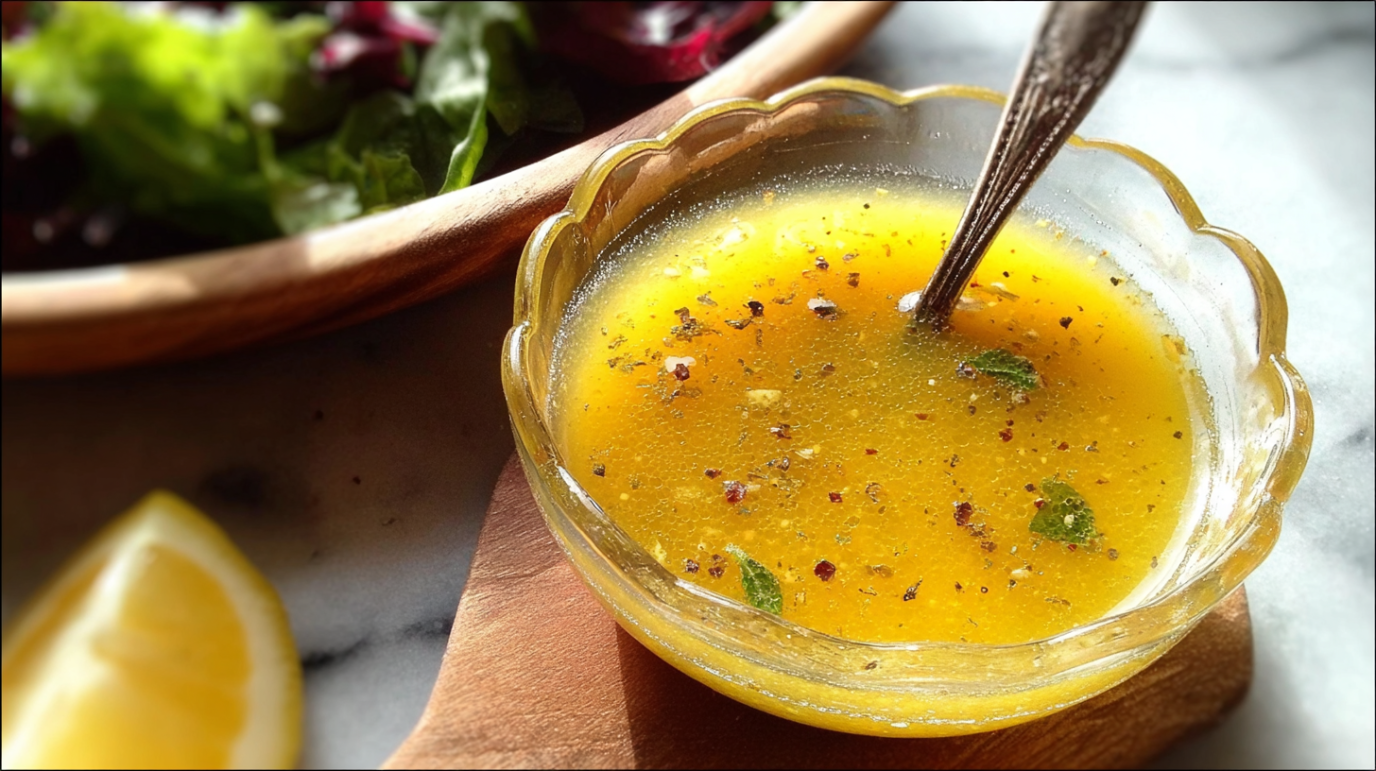
This easy lemon vinaigrette is the perfect balance of bright, zesty flavors that will transform any ordinary salad into something special. Made with fresh lemon juice and high-quality olive oil, this simple dressing comes together in just minutes but delivers restaurant-quality taste. The tangy acidity from the lemons perfectly complements the richness of the olive oil, creating a versatile dressing that’s both light and satisfying. Whether you’re a seasoned home cook or just starting your culinary journey, this lemon vinaigrette recipe is foolproof and infinitely adaptable.
Endless Ways to Enjoy Your Homemade Dressing
Beyond just green salads, this lemon olive oil dressing shines in countless applications. Drizzle it over roasted vegetables to add brightness, use it as a marinade for chicken or fish, or toss it with pasta for a light Mediterranean-inspired meal. The natural acidity of fresh lemon juice makes it perfect for cutting through richer dishes, while the olive oil adds a velvety texture that coats ingredients beautifully. Once you master this basic recipe, you’ll find yourself reaching for it several times a week—it’s that versatile and delicious.
Ingredients for Perfect Lemon Vinaigrette
The Building Blocks of Great Flavor
Creating an exceptional lemon vinaigrette doesn’t require a long list of complicated ingredients—just a few quality components that work harmoniously together:
- ⅓ cup olive oil (preferably extra virgin)
- ¼ cup fresh lemon juice (approximately 1-2 lemons)
- 1 teaspoon Dijon mustard
- ½ teaspoon honey or maple syrup
- 1 garlic clove, minced
- Salt and pepper, to taste
Each ingredient plays an essential role in creating a balanced dressing. The olive oil provides a smooth base, while the fresh lemon juice delivers bright acidity. Dijon mustard not only adds flavor but also helps emulsify the dressing, creating that perfect creamy consistency. A touch of honey or maple syrup balances the tartness, and garlic adds depth and complexity. Simple seasonings of salt and pepper allow you to customize the flavor to your preference.
Choosing the Best Ingredients
The quality of your vinaigrette depends largely on the quality of your ingredients. For the olive oil, select a good extra virgin variety with a flavor you enjoy—this will form the foundation of your dressing. When choosing lemons, look for fruit that feels heavy for its size and has a bright, aromatic zest, indicating it’s full of flavorful oils. If possible, opt for organic lemons, especially since you might use some zest for extra flavor. The Dijon mustard acts as an emulsifier, helping the oil and lemon juice blend together smoothly rather than separating.
How to Make Easy Lemon Vinaigrette
Quick Assembly Method
Making this lemon vinaigrette couldn’t be simpler. Here’s how to bring it all together:
- Gather all ingredients and measure them out for convenience.
- Add the olive oil, fresh lemon juice, Dijon mustard, honey or maple syrup, and minced garlic to a small mixing bowl.
- Add a pinch of salt and freshly ground black pepper.
- Whisk vigorously until all ingredients are fully incorporated and emulsified. This should take about 30-45 seconds of continuous whisking.
- Taste the dressing and adjust seasonings as needed, adding more salt, pepper, or sweetener to balance flavors.
- Use immediately or transfer to an airtight container for storage.
The entire process takes less than 5 minutes, making this perfect for busy weeknights or last-minute meal preparations. The key is to whisk thoroughly to ensure the oil and lemon juice properly combine into a smooth, unified dressing rather than separating.
Alternative Mixing Methods
While whisking by hand produces excellent results, there are other ways to achieve a perfectly emulsified lemon vinaigrette:
Mason Jar Method: Place all ingredients in a mason jar with a tight-fitting lid. Seal securely and shake vigorously for about 30 seconds until well combined. This is particularly convenient for storage as well.
Blender Method: For an extra-smooth vinaigrette, combine all ingredients except the olive oil in a blender. Blend briefly, then with the blender running on low, slowly drizzle in the olive oil until completely emulsified. This creates an especially creamy texture.
Food Processor Method: Similar to the blender technique, this works well for larger batches. Add everything except oil, pulse a few times, then drizzle in oil while the processor runs.
Each method works effectively—choose the one that best fits your kitchen setup and preferences.
Tips & Variations for Lemon Vinaigrette Success
Adjusting Consistency and Flavor
Getting your lemon vinaigrette just right is easy with these helpful tips:
- To thin the dressing: Add a tablespoon of water or additional lemon juice if you prefer a less intense flavor.
- To thicken the dressing: Increase the amount of Dijon mustard by ½ teaspoon, which acts as a natural emulsifier.
- For extra lemony flavor: Add ½ teaspoon of freshly grated lemon zest, being careful to avoid the bitter white pith.
- For less acidity: Balance with an additional ¼ teaspoon of honey or maple syrup.
- For herb variations: Add 1 tablespoon of finely chopped fresh herbs like parsley, basil, chives, or dill.
- For a creamier version: Whisk in 1 tablespoon of Greek yogurt or tahini.
- For garlic lovers: Double the garlic or let it infuse in the olive oil for 30 minutes before mixing.
Creative Flavor Variations
Once you’ve mastered the basic recipe, try these delicious variations to expand your dressing repertoire:
Mediterranean Lemon Vinaigrette
Transform your basic dressing into a Mediterranean delight by adding:
- 1 teaspoon dried oregano
- 1 tablespoon finely chopped fresh parsley
- 1 tablespoon crumbled feta cheese
- 1 tablespoon finely diced red onion
Low-Cal Lemon Herb Dressing
For a lighter option with fewer calories:
- Reduce olive oil to ¼ cup
- Increase lemon juice to ⅓ cup
- Add 2 tablespoons of fresh herbs like basil and parsley
- Use just a small drizzle of honey or substitute with a natural sweetener
Maple Lemon Vinaigrette
For a slightly sweeter profile:
- Replace honey with 1 tablespoon pure maple syrup
- Add ¼ teaspoon of cinnamon
- Include a pinch of nutmeg
- Perfect for salads containing fruits or nuts
Ingredient Substitutions
Need to make adjustments based on dietary restrictions or what you have on hand? Here are some effective substitutes:
- No fresh lemons? Use bottled lemon juice in a pinch, though fresh is always preferred for optimal flavor.
- Olive oil alternatives: Avocado oil or grapeseed oil work well for a milder flavor profile.
- Dijon mustard substitutes: Whole grain mustard provides a similar emulsifying effect with a different texture, or use ½ teaspoon dry mustard powder.
- Sweetener options: Agave nectar, date syrup, or a tiny pinch of stevia can replace honey or maple syrup.
- No garlic? Try ¼ teaspoon garlic powder or a small shallot, finely minced.
- Tahini replacement: Unsweetened almond or cashew butter can provide a similar creaminess if needed.
Serving Ideas for Lemon Vinaigrette
Salads That Shine With This Dressing
This easy lemon vinaigrette is incredibly versatile and pairs beautifully with a wide variety of salads:
Green Salads
- Simple Mixed Greens: Dress tender spring mix or arugula with this vinaigrette for a clean, bright flavor that lets the greens shine.
- Mediterranean Salad: Combine romaine lettuce, cherry tomatoes, cucumbers, red onion, kalamata olives, and feta cheese for a classic Greek-inspired salad.
- Bitter Greens Balance: The sweetness in this dressing perfectly offsets the bitterness of endive, radicchio, or dandelion greens.
Grain & Pasta Salads
- Quinoa Salad: Toss cooked and cooled quinoa with the dressing, then add cucumber, cherry tomatoes, and herbs for a protein-rich side dish.
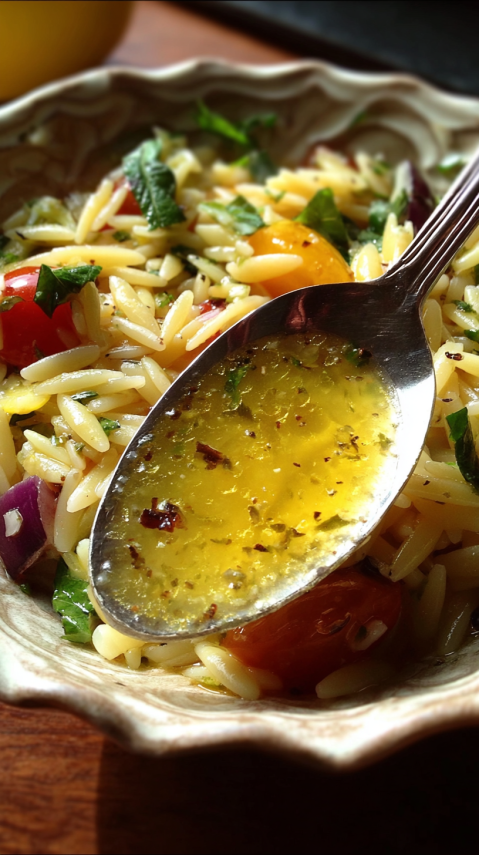
- Orzo Pasta Salad: Mix this lemon vinaigrette with orzo pasta, spinach, roasted red peppers, and feta for a Mediterranean-inspired dish.
- Farro or Barley Salad: Hearty ancient grains absorb the dressing beautifully, especially when combined with roasted vegetables and fresh herbs.
Protein-Based Salads
- Grilled Chicken Salad: Drizzle over a bed of greens topped with grilled chicken, avocado, and toasted almonds.
- Seafood Accompaniment: The bright acidity complements shrimp, salmon, or tuna salads without overpowering the delicate flavors.
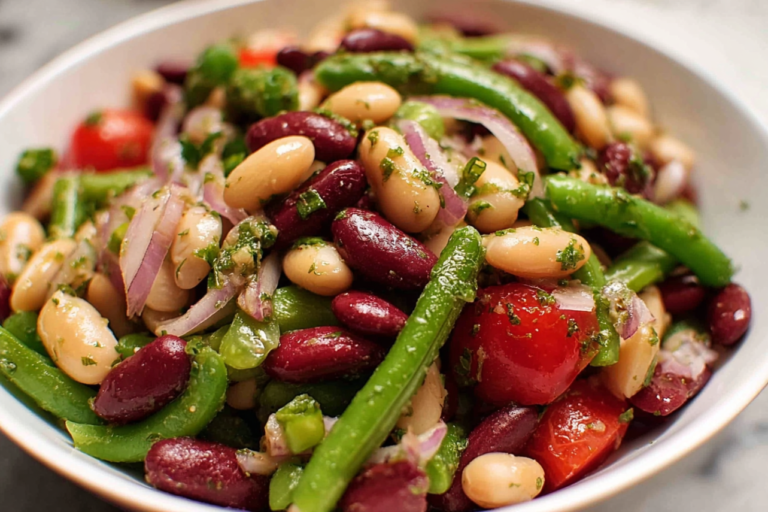
- Bean Salad: Toss with white beans, cherry tomatoes, red onion, and parsley for a protein-rich side that’s perfect for meal prep.
Beyond Salads: Other Delicious Applications
This versatile lemon vinaigrette does far more than dress salads:
- Marinade: Use as a quick 30-minute marinade for chicken, fish, or shrimp before grilling or roasting.
- Roasted Vegetables: Drizzle over roasted asparagus, brussels sprouts, or cauliflower just after cooking for a bright flavor boost.
- Grain Bowls: Add a fresh dimension to build-your-own grain bowls with roasted vegetables and proteins.
- Sandwich Spread: Brush lightly on bread before assembling sandwiches for added moisture and flavor.
- Dipping Sauce: Serve as a dipping sauce for crusty bread or fresh vegetables.
- Potato Enhancer: Toss with warm roasted potatoes, drizzle over a potato salad, or try on mashed potatoes with parmesan cheese for a cheesy, flavorful twist.
Storage and Make-Ahead Tips for Lemon Vinaigrette
Keeping Your Dressing Fresh
Proper storage ensures your homemade lemon vinaigrette stays fresh and flavorful:
- Container: Store in an airtight container or a glass jar with a tight-fitting lid. Mason jars or salad dressing bottles work perfectly.
- Refrigeration: Always refrigerate this dressing since it contains fresh garlic. It will keep well in the refrigerator for up to 1 week.
- Separation is normal: The olive oil and lemon juice will naturally separate when stored. This is completely normal and doesn’t indicate spoilage.
- Before using: Simply shake vigorously or whisk again before serving to re-emulsify the ingredients.
- Temperature tip: Remove from refrigerator about 15-20 minutes before using, as cold temperatures can cause the olive oil to solidify slightly.
- Freshness test: If the dressing develops an off smell or flavor, discard it immediately.
For the best flavor, consume your lemon vinaigrette within 5-7 days. The fresh garlic and lemon juice are what limit its shelf life, but they’re also what gives it such vibrant flavor, making it worth the small effort to make fresh batches regularly.
Other Classic Vinaigrettes to Try
- Balsamic Vinaigrette
- Dijon Vinaigrette
- Raspberry Vinaigrette
- Lemon Basil Vinaigrette
- Honey Mustard Dressing
- Chipotle Vinaigrette
FAQs About Lemon Vinaigrette
Common Questions About This Recipe
How much juice is in one lemon?
One medium lemon typically yields about 2-3 tablespoons of fresh lemon juice. For this recipe requiring ¼ cup (4 tablespoons), you’ll likely need 1-2 medium lemons, depending on their juiciness. For the best yield, roll the lemon firmly on the countertop before juicing and use room temperature fruit rather than cold ones straight from the refrigerator.
Why is my vinaigrette bitter?
Bitterness in lemon vinaigrette usually comes from three sources: accidentally including lemon seeds, incorporating too much of the white pith when zesting, or using extra virgin olive oil with particularly bitter undertones. To avoid bitterness, strain your lemon juice to remove seeds, carefully zest only the yellow part of the lemon rind, and consider using a milder olive oil if you’re sensitive to bitterness. Adding a touch more sweetener can also help balance any existing bitterness.
What’s the difference between lemon vinaigrette and French vinaigrette?
While both are oil-based dressings, lemon vinaigrette uses fresh lemon juice as its acidic component, resulting in a brighter, more citrus-forward flavor profile. Traditional French vinaigrette (sometimes called vinagrete) typically uses red vinegar or wine vinegar instead of lemon juice and often includes shallots rather than garlic. French vinaigrette tends to have a deeper, more savory profile, while lemon vinaigrette offers a lighter, sunnier taste that’s particularly refreshing in spring and summer dishes.
Can I make this into a creamy lemon dressing?
Absolutely! To create a creamier version, simply add 1-2 tablespoons of Greek yogurt, mayonnaise, or tahini to the basic recipe. Whisk thoroughly or blend for the smoothest result. This variation works beautifully on heartier salads or as a dip for vegetables.
Why You’ll Love This Homemade Lemon Vinaigrette
Health Benefits of Homemade Dressings
Making your own lemon vinaigrette isn’t just about superior flavor—it’s also a healthier choice. Commercial dressings often contain preservatives, excess sodium, and added sugars that you can avoid by making your own. With approximately 111 calories per serving, this dressing provides healthy fats from olive oil, which contains beneficial monounsaturated fats and antioxidants. The fresh lemon juice adds vitamin C and antioxidants, while the minimal amount of sweetener keeps the sugar content low at just 1g per serving.
For those monitoring dietary restrictions, this dressing is naturally gluten-free, dairy-free, and can easily be made vegan by choosing maple syrup instead of honey. The low sodium content (just 10mg per serving) makes it suitable for those on low-salt diets, unlike many store-bought options that can contain several hundred milligrams of sodium per serving.
Final Thoughts for Lemon Vinaigrette Lovers
This easy lemon vinaigrette is more than just a salad dressing—it’s a versatile kitchen staple that can elevate countless dishes with minimal effort. Once you experience the bright, fresh flavor of homemade vinaigrette, with its perfect balance of tangy lemon, smooth olive oil, and subtle seasonings, you’ll find it difficult to return to store-bought versions.
For lemon lovers, this recipe is particularly satisfying, capturing the essence of this versatile citrus fruit in a form that complements rather than overpowers your food. The beauty of this recipe lies in its simplicity and adaptability—make it exactly as written or use it as a foundation for your own creative variations.
Consider making a double batch to keep on hand for the week ahead, saving yourself time while ensuring your meals are consistently flavorful. Whether drizzled over a simple green salad, used to brighten grain bowls, or as a finishing touch for roasted vegetables, this lemon vinaigrette brings a touch of culinary magic to everyday cooking.
5-Minute Easy Lemon Vinaigrette
Ingredients
Equipment
Method
- Combine olive oil, fresh lemon juice, Dijon mustard, sweetener, minced garlic, salt, and pepper in a small bowl.
- Whisk vigorously until thoroughly combined and emulsified.
- Taste and adjust seasonings as needed.
- Use immediately or transfer to an airtight container and refrigerate.
Notes
- Store in an airtight container in the refrigerator for up to 1 week.
- Separation is natural—shake or whisk before using.
- Add fresh herbs, additional sweetener, or red pepper flakes for variations.