Easy Homemade Apple Cider Vinegar Salad Dressing (Ready in 5 Minutes!)
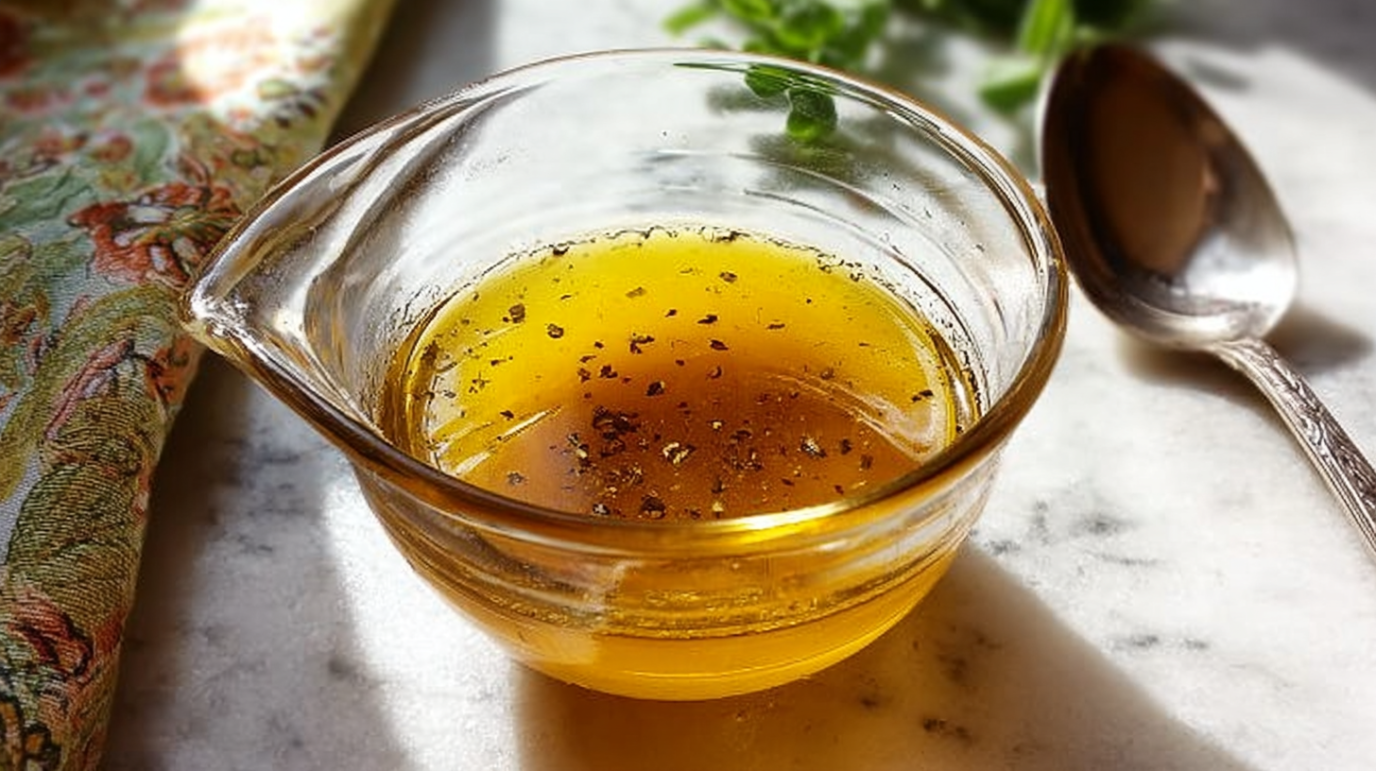
Apple cider vinegar salad dressing is a game-changer in your kitchen arsenal. This homemade vinaigrette combines the tangy, fruity notes of apple cider vinegar with the rich smoothness of olive oil to create a balanced dressing that brings life to even the simplest salad greens. Unlike store-bought dressings filled with preservatives and sugar, this recipe uses just a handful of wholesome ingredients you likely already have in your pantry.
The versatility of this apple cider vinaigrette makes it perfect for everything from everyday lunch salads to impressive dinner party sides. The subtle sweetness from honey pairs beautifully with the shallot’s mild onion flavor, creating a dressing that complements rather than overpowers your fresh ingredients. Whether you’re looking for a sugar-free dressing option or simply want to elevate your salad game, this easy-to-make recipe delivers restaurant-quality results in just minutes.
What Makes Apple Cider Vinegar Special for Dressings
The Health Benefits Behind the Flavor
Apple cider vinegar has earned its reputation as both a culinary staple and a health-promoting ingredient. When used in salad dressings, apple cider vinegar provides a distinctive tangy flavor that carries subtle apple notes, making it more interesting than regular white vinegar. The acidity helps to brighten salads and balance fatty ingredients like nuts, cheese, or avocado.
From a nutritional standpoint, apple cider vinegar contains beneficial compounds like acetic acid, which may support digestion and help regulate blood sugar levels. Many people seeking healthy homemade salad dressing options turn to apple cider vinegar for these potential benefits. While no single ingredient can transform a dish into a health food, incorporating apple cider vinegar into your regular rotation of dressings can be a flavorful way to enjoy its potential advantages.
When to Use This Vinaigrette
This apple cider vinaigrette recipe shines on hearty salads featuring fruits like apples, pears, or dried cranberries. The fruity undertones in the dressing naturally complement these ingredients. It’s also excellent on robust greens like kale or spinach, cutting through their earthiness with its bright acidity.
Beyond salads, this versatile dressing works beautifully as a marinade for chicken or as a flavor booster drizzled over roasted vegetables. The honey and mustard components create a lovely glaze when heated, making this vinaigrette a multi-purpose kitchen helper that extends well beyond the salad bowl.
Apple Cider Vinegar Salad Dressing Ingredients
The Core Components
For this simple yet flavorful apple cider vinegar dressing, you’ll need:
- 1 small shallot (or one lobe of a large shallot), peeled, cored and quartered
- 1/3 cup extra-virgin olive oil
- 1/4 cup apple cider vinegar
- 2 teaspoons Dijon mustard
- 2 teaspoons honey
- 1/2 teaspoon salt
- 1/4 teaspoon freshly ground pepper
Ingredient Quality Matters
When making a simple dressing with just a few ingredients, quality becomes particularly important. For the best apple cider vinaigrette, consider these recommendations:
- Olive Oil: Use a good quality extra-virgin olive oil for the best flavor foundation. The oil constitutes the largest portion of the dressing, so its flavor will significantly impact the final result.
- Apple Cider Vinegar: Look for organic, unfiltered apple cider vinegar with “the mother” (beneficial bacteria and enzymes) for maximum flavor and potential health benefits. This type has a more complex flavor than filtered versions.
- Shallot: Fresh shallots provide a milder, more aromatic flavor than regular onions. They blend beautifully into dressings without overpowering other ingredients.
- Dijon Mustard: Acts as both a flavoring agent and an emulsifier that helps the oil and vinegar stay mixed.
- Honey: Provides natural sweetness that balances the acidity. You can adjust the amount to suit your taste preferences.
How to Make Apple Cider Vinegar Salad Dressing
Quick Blending Method
Creating this apple cider vinaigrette is incredibly straightforward:
- Place the quartered shallot, extra-virgin olive oil, apple cider vinegar, Dijon mustard, honey, salt, and pepper in a blender.
- Blend on medium-high speed for about 30 seconds until the mixture is completely smooth and the shallot is fully incorporated.
- Taste the dressing and adjust seasonings if needed, adding more salt, pepper, or honey according to your preference.
- Transfer to a serving container or storage jar if not using immediately.
The entire process takes less than 5 minutes, making this an easy addition to your meal preparation routine.
No Blender? No Problem!
If you don’t have a blender available, you can still make this delicious apple cider vinegar dressing with these alternative methods:
- Immersion Blender Method: Combine all ingredients in a tall container or jar and process with an immersion blender until smooth.
- Food Processor Method: Add all ingredients to a small food processor and pulse until well combined and the shallot is finely minced.
- Manual Method: Very finely mince the shallot by hand, then whisk all ingredients together in a bowl until well emulsified. This method requires more effort but produces excellent results.
Regardless of the method you choose, the key is ensuring the shallot is properly incorporated into the dressing for the best flavor distribution.
Tips & Variations for Perfect Apple Cider Vinaigrette
Easy Substitutions
Not everyone has all ingredients on hand, or you might need an apple cider vinegar substitute due to dietary restrictions. Here are some helpful swaps:
- No apple cider vinegar? White wine vinegar or rice vinegar can work as an apple cider vinegar alternative, though the flavor profile will be slightly different. For a closer match, add a teaspoon of apple juice to white wine vinegar.
- No honey? Maple syrup, agave nectar, or even a teaspoon of white sugar can replace honey. For a sugar-free dressing, try a small amount of stevia or monk fruit sweetener.
- No shallots? Substitute with 1 tablespoon of very finely minced red onion or 1/2 clove of garlic for a different but equally delicious flavor.
- No Dijon mustard? Use whole grain mustard or even 1/4 teaspoon of dry mustard powder.
Flavor Variations
The basic apple cider vinaigrette recipe is wonderfully adaptable. Try these variations:
- Herb-Infused: Add 1 tablespoon of fresh herbs like thyme, basil, oregano, or parsley.
- Garlic Lover’s: Add 1 small clove of garlic along with the shallot for added punch.
- Fruity Twist: Incorporate 1 tablespoon of cranberry juice with the apple cider vinegar for a cranberry juice and apple cider vinegar blend that’s particularly good on autumn salads.
- Spicy Version: Add a pinch of red pepper flakes or a dash of hot sauce for heat.
- Extra Tangy: Increase the vinegar-to-oil ratio for a more pronounced acidic bite.
Consistency Adjustments
Depending on how you plan to use your dressing, you might want to adjust its thickness:
- To thin the dressing: Add 1-2 tablespoons of water, extra vinegar, or a splash of citrus juice.
- To thicken the dressing: Increase the amount of Dijon mustard or add 1 teaspoon of chia seeds (which will thicken as they sit).
Salads That Pair Perfectly with Apple Cider Vinaigrette
Fresh Green Salads
This apple cider vinegar dressing shines when paired with these green salads:
- Autumn Harvest Salad: Mixed greens with apple slices, toasted walnuts, dried cranberries, and crumbled goat cheese.
- Kale and Brussels Sprout Slaw: Thinly sliced kale and Brussels sprouts with toasted almonds and Parmesan cheese.
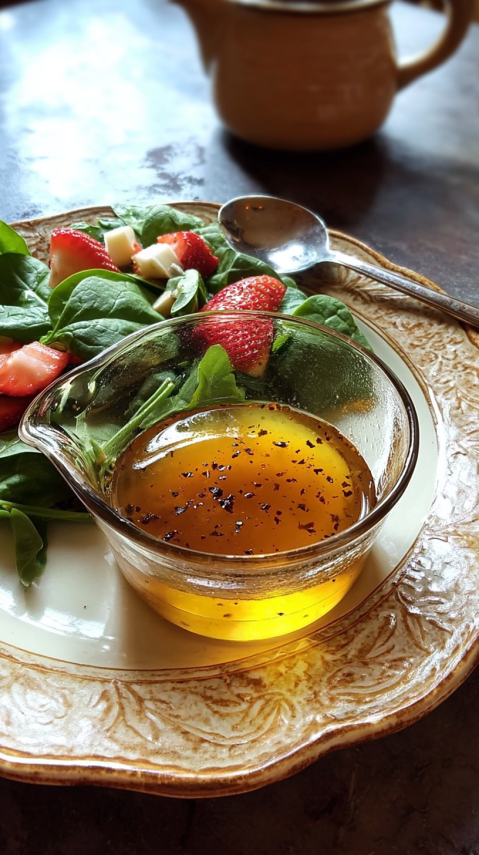
- Spinach Strawberry Salad: Baby spinach with fresh strawberries, red onion, and toasted pecans—the apple cider vinaigrette perfectly balances the sweetness of the berries.
- Simple Arugula Salad: Peppery arugula, shaved Parmesan, and toasted pine nuts dressed with this vinaigrette makes an elegant side dish.
Grain and Protein Salads
The versatility of this homemade vinaigrette extends beyond leafy greens:
- Quinoa Veggie Salad: Cooked quinoa with diced bell peppers, cucumber, chickpeas, and feta cheese.
- Chicken and Apple Salad: Diced cooked chicken, apple chunks, celery, and walnuts tossed with apple cider vinaigrette instead of mayonnaise for a lighter touch.
- Lentil Salad: French green lentils with diced carrots, celery, and red onion become company-worthy when dressed with this vinaigrette.
- Roasted Vegetable Grain Bowl: Roasted sweet potatoes, Brussels sprouts, and red onion over farro or barley, finished with a drizzle of apple cider vinaigrette.
Storing Your Homemade Apple Cider Vinegar Dressing
Refrigeration Guidelines
Proper storage ensures your homemade apple cider vinegar dressing stays fresh and delicious:
- Transfer the dressing to a clean glass jar with a tight-fitting lid. Mason jars or repurposed salad dressing bottles work perfectly.
- Refrigerate immediately after making. This dressing will keep well for up to one week in the refrigerator.
- The dressing may solidify slightly when cold due to the olive oil. This is completely normal and not a sign of spoilage.
- Before using refrigerated dressing, remove it from the refrigerator 15-20 minutes before serving or run the closed jar under warm water for a minute to bring it back to room temperature.
- Shake the dressing vigorously before each use, as natural separation will occur over time.
Signs of Freshness
How can you tell if your apple cider vinegar dressing is still good? Unlike commercial dressings, homemade versions don’t contain preservatives, so pay attention to these indicators:
- Aroma: Fresh dressing should smell pleasant with vinegar notes. If it develops an off or sour smell (beyond the normal vinegar tang), it’s time to discard it.
- Appearance: Some separation is normal, but if you notice any mold or unusual discoloration, throw the dressing away.
- Taste: A slight flavor change may occur over time as ingredients meld, but any strange or unpleasant taste indicates the dressing should not be consumed.
When in doubt, follow the week-long freshness window and make a fresh batch. Since this recipe comes together in minutes, it’s easy to maintain a supply of fresh dressing.
Other Classic Vinaigrettes to Try
- Balsamic Vinaigrette
- Lemon Vinaigrette
- Raspberry Vinaigrette
- Lemon Basil Vinaigrette
- Honey Mustard Dressing
- Chipotle Vinaigrette
FAQs About Apple Cider Vinegar Dressing
Does Apple Cider Vinegar Go Off?
Yes, apple cider vinegar can go off, though it has a very long shelf life. Unopened apple cider vinegar can last for years, and even opened bottles properly stored can maintain quality for 1-2 years. Signs that apple cider vinegar has gone bad include cloudy appearance (beyond the natural cloudiness of unfiltered varieties), change in color, off smell, or the development of mold. When using apple cider vinegar in dressing, always check for these signs before adding it to your recipe.
Can I Make This Dressing Without Oil for a Lower-Calorie Option?
While traditional vinaigrettes rely on oil for texture and mouthfeel, you can create a lighter version by reducing the oil content. Instead of eliminating oil completely, try:
1. Reducing the oil to 2-3 tablespoons and adding 2-3 tablespoons of water or unsweetened apple juice
2. Incorporating 1-2 tablespoons of plain Greek yogurt with reduced oil for creaminess
3. Adding a teaspoon of chia seeds to thicken a lower-oil version
These modifications will change the texture and flavor profile somewhat but can significantly reduce the calorie content while maintaining the core apple cider vinegar flavor.
Is This Dressing Suitable for Diabetics?
This apple cider vinegar dressing can be one of the best salad dressing options for diabetics with minor modifications. The recipe contains only 2g of sugar per serving from natural honey, which is relatively low compared to commercial dressings. For an even more diabetic-friendly version, replace the honey with a non-nutritive sweetener like stevia or monk fruit extract, or simply omit the sweetener altogether and rely on the natural flavors of the other ingredients. The apple cider vinegar itself may have potential benefits for blood sugar management, making this an excellent choice for those monitoring glucose levels.
Final Thoughts on Homemade Apple Cider Vinaigrette
Why You’ll Never Buy Store-Bought Again
Once you experience the bright, fresh flavor of homemade apple cider vinegar dressing, the bottled versions simply won’t compare. This simple recipe delivers restaurant-quality results with minimal effort and basic ingredients. The ability to adjust every element to suit your exact taste preferences—more tang, less sweetness, extra herbs—means you’ll always have the perfect dressing for your meal.
Beyond flavor, making your own vinaigrette puts you in control of what goes into your food. No preservatives, no artificial flavors, no unnecessary additives—just real ingredients combining to create something greater than the sum of their parts. Each batch takes less than five minutes to prepare, making it a practical choice even on busy weeknights.
Expand Your Homemade Dressing Repertoire
This apple cider vinaigrette is just the beginning of your homemade dressing journey. Once you master this basic recipe, consider experimenting with other vinegars and flavor combinations:
- Try balsamic vinegar with garlic and Italian herbs for a Mediterranean-inspired dressing
- Explore rice vinegar with sesame oil and ginger for Asian-inspired salads
- Create a lemon vinaigrette by substituting fresh lemon juice for some or all of the vinegar
The techniques you’ve learned here—balancing acid and oil, incorporating emulsifiers like mustard, and using a blender for smooth integration—apply to countless dressing variations. Your salads will never be boring again, and you’ll save money while enjoying superior flavor. Why not make your next salad extraordinary with this simple, delicious apple cider vinegar dressing?
Easy Homemade Apple Cider Vinegar Salad Dressing
Ingredients
Equipment
Method
- Place the quartered shallot, olive oil, apple cider vinegar, Dijon mustard, honey, salt, and pepper in a blender.
- Blend on medium-high speed for about 30 seconds until completely smooth.
- Taste and adjust seasonings if needed.
- Transfer to a serving container or storage jar if not using immediately.
Notes
- Store in a sealed jar in the refrigerator for up to 1 week.
- If the dressing solidifies in the refrigerator, bring to room temperature before serving or run the closed jar under warm water.
- Shake well before each use as natural separation will occur.
- For a sugar-free version, substitute honey with stevia or omit sweetener entirely.