Homemade Ginger Salad Dressing Recipe (Low-Calorie & Gluten-Free)
Ginger salad dressing recipe enthusiasts, rejoice! This homemade version captures the perfect balance of tangy, sweet, and spicy flavors that make Asian-inspired dressings so irresistible. Unlike store-bought options that often contain preservatives and excess sugar, this low-calorie salad dressing lets the natural zing of fresh ginger shine through. The combination of olive oil, apple cider vinegar, and Dijon mustard creates a smooth emulsion that coats your greens perfectly without weighing them down.
Versatile Uses Beyond Just Salads
While this ginger dressing was created with fresh greens in mind, its versatility extends far beyond the salad bowl. Use it as a marinade for chicken or tofu, a dipping sauce for spring rolls, or a flavor enhancer for grain bowls. The sesame ginger dressing variation (which we’ll cover later) pairs particularly well with noodle dishes and Asian-inspired slaws. Whether you’re looking for a healthy alternative to store-bought options or trying to recreate that delicious hibachi salad dressing from your favorite Japanese restaurant, this recipe delivers exceptional flavor in just minutes.
Ingredients for the Perfect Ginger Salad Dressing
Fresh, Simple Components
- ½ cup extra-virgin olive oil
- 2 tablespoons apple cider vinegar, to taste
- 2 tablespoons Dijon mustard
- 1 tablespoon maple syrup or honey, to taste
- 2 teaspoons finely grated fresh ginger
- ½ teaspoon fine sea salt
- About 20 twists of freshly ground black pepper
The Role of Each Ingredient
The foundation of this ginger dressing begins with heart-healthy extra-virgin olive oil, which provides richness and body. Apple cider vinegar adds a bright acidity that balances the oil, while Dijon mustard serves double duty as both a flavor enhancer and an emulsifier, helping to bind the dressing together. The natural sweetness from maple syrup or honey counteracts any bitterness from the ginger and rounds out the flavor profile. Fresh ginger brings that signature spicy warmth that makes this dressing special, while salt and pepper finish everything with perfect seasoning.
For those wondering “does rice vinegar go bad?” – you can substitute it for the apple cider vinegar if that’s what you have on hand. Rice vinegar has a milder flavor that works exceptionally well in Asian-inspired dressings and has a similarly long shelf life when stored properly.
Step-by-Step Instructions for Ginger Salad Dressing
Mixing Your Homemade Ginger Dressing
- Gather all ingredients and ensure your ginger is freshly grated for maximum flavor.
- In a jar with a tight-fitting lid or a small bowl, add the olive oil, apple cider vinegar, Dijon mustard, maple syrup or honey, grated ginger, sea salt, and black pepper.
- If using a jar, secure the lid and shake vigorously until all ingredients are fully combined and emulsified. If using a bowl, whisk ingredients together until thoroughly blended.
- If your mustard is cold from the refrigerator, the dressing might not fully emulsify right away. Allow it to sit at room temperature for a few minutes, then shake or whisk again.
- Taste the dressing and adjust as needed. For more tartness, add another teaspoon of apple cider vinegar. For additional sweetness or better balance, incorporate another teaspoon or two of maple syrup.
- Use immediately or refrigerate until needed.
Troubleshooting Your Dressing
If your ginger salad dressing separates after being refrigerated, don’t worry! This is completely normal, especially when using real olive oil, which can solidify slightly when cold. Simply remove the dressing from the refrigerator about 10 minutes before serving to allow it to warm up slightly, then shake vigorously to recombine. Alternatively, if you’re in a hurry, place the jar in a microwave-safe container and heat for 15-30 seconds maximum, then shake well.
For a smoother texture, consider straining the grated ginger after extracting its flavor, or use a high-powered blender to create an ultra-smooth carrot ginger dressing variation (more on that below).
Tips & Variations for Your Ginger Dressing
Customizing Your Dressing
- Thin it out: If the dressing is too thick, add 1-2 teaspoons of water or a splash of citrus juice to reach your desired consistency.
- Make it creamier: Add 1 tablespoon of tahini for a richer, more luxurious texture that mimics restaurant-style hibachi ginger sauce.
- Spice it up: Add a pinch of red pepper flakes or a dash of sriracha for heat that complements the ginger.
- Sugar alternatives: If avoiding refined sugar or honey, try agave nectar or date syrup as natural sweeteners.
- Oil substitutions: For different flavor profiles, replace half the olive oil with sesame oil (for an authentic Asian dressing recipe flavor) or avocado oil (for a neutral-tasting, heart-healthy option).
- Acid options: Substitute rice vinegar, white wine vinegar, or fresh lemon juice for the apple cider vinegar depending on your preference.
- Herb additions: Fresh cilantro, mint, or basil can add brightness and complexity to the basic recipe.
Popular Variations on the Basic Recipe
Sesame Ginger Dressing
Transform the base recipe into a classic sesame ginger dressing by replacing 2 tablespoons of olive oil with toasted sesame oil, adding 1 tablespoon of soy sauce (or tamari for a gluten-free salad dressing option), and sprinkling in 1 tablespoon of toasted sesame seeds. This variation closely resembles the oriental dressing recipe salad enthusiasts crave from Asian restaurants.
Carrot Ginger Dressing
For a vibrant carrot ginger dressing similar to what you’d find at Japanese restaurants, blend the basic recipe with ½ cup grated carrots and 2 tablespoons chopped white onion. This creates a thicker, more vibrant dressing with additional nutritional benefits and a gorgeous orange hue. This variation makes an excellent partner for cabbage slaws and simple green salads.
Thai Salad Dressing Twist
Create a Thai-inspired version by adding 1 tablespoon of fish sauce (or coconut aminos for a vegetarian option), the juice of one lime, and a teaspoon of finely chopped lemongrass. This variation pairs beautifully with shrimp or chicken salads and adds authentic Southeast Asian flavor notes.
Serving Ideas: Perfect Pairings for Your Ginger Dressing
Salads That Shine With Ginger Dressing
Your homemade ginger salad dressing deserves to be paired with salads that complement its bold, aromatic flavor profile. Here are some perfect companions:
Asian-Inspired Slaws: Toss with shredded cabbage, carrots, bell peppers, and edamame for a crunchy, colorful side dish. This salad dressing for Asian salad applications brings authentic flavor without the restaurant price tag.
Grain Bowls: Drizzle over a bowl of quinoa or brown rice topped with roasted vegetables, avocado, and your choice of protein for a satisfying meal.
Protein-Packed Options: Combine with mixed greens, grilled chicken or tofu, mandarin oranges, and sliced almonds for a complete meal that highlights the dressing’s versatility.
Noodle Salads: Toss with cold soba or rice noodles, julienned vegetables, and herbs for a refreshing lunch option that travels well.
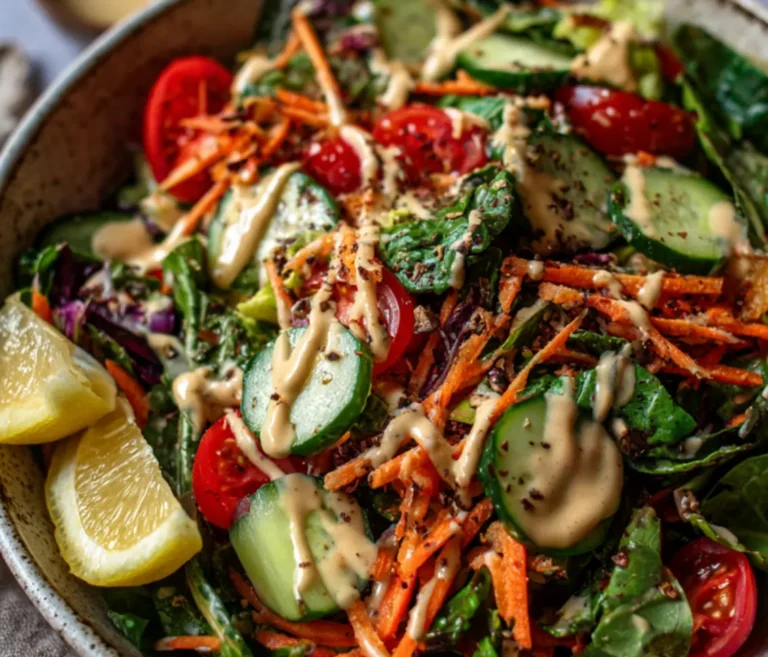
Simple Green Salads: Even a basic green salad with cucumbers and tomatoes transforms into something special with this dressing — try it in This Kale Salad Recipe.
Beyond Salads: Creative Uses
The vibrant flavor of ginger dressing makes it versatile beyond traditional salad applications:
Marinade: Use as a marinade for chicken, fish, or tofu (30 minutes to 2 hours) before grilling or roasting.
Grain Enhancer: Stir into plain rice or quinoa to instantly elevate their flavor profile.
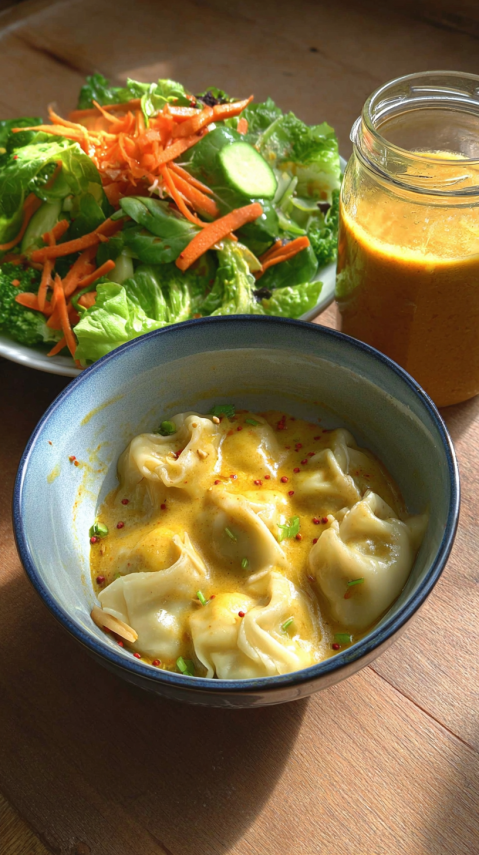
Dipping Sauce: Serve alongside spring rolls, dumplings, or raw vegetables for an appetizer with flair.
Sandwich Spread: Brush onto bread before building your sandwich for an unexpected flavor boost that pairs particularly well with turkey or vegetable sandwiches.
Storage: Keeping Your Ginger Salad Dressing Fresh
Proper Storage Techniques
This ginger salad dressing will maintain its peak flavor and quality when stored properly in an airtight container in the refrigerator for up to 10 days. Glass jars with tight-fitting lids work best for storage, as they don’t absorb flavors and can be easily shaken to recombine the dressing before use.
The natural preservation properties of ginger, vinegar, and olive oil help extend the shelf life of this dressing, but always use your senses as a guide: if the dressing develops an off smell or appearance, it’s best to discard it. Unlike commercial dressings that can sit in your refrigerator for months, homemade versions without preservatives should be used within their freshness window for optimal taste and food safety.
Just as you might wonder “how long can sushi stay in the fridge,” the same principle applies to fresh dressings—they’re at their best when consumed within their appropriate timeframe. For this dressing, the 10-day window ensures you’re enjoying it at peak flavor while maintaining food safety standards.
Remember that olive oil can solidify when cold, so if you notice your dressing has thickened in the refrigerator, simply allow it to sit at room temperature for 5-10 minutes before using or microwave it for no more than 15-30 seconds. Always shake well before each use to reincorporate all the ingredients.
Other Asian Dressings to Try
FAQs About Homemade Ginger Salad Dressing
Can I use ground ginger instead of fresh ginger in this dressing?
While fresh ginger provides the most vibrant flavor, you can substitute with ground ginger in a pinch. Use ½ teaspoon of ground ginger for every 2 teaspoons of fresh grated ginger called for in the recipe. The flavor profile will be slightly different, as fresh ginger (or “ginger root” in Spanish: “raíz de jengibre”) contains essential oils that provide aromatics that dried versions lack.
How can I make this dressing more like the orange ginger dressing at my favorite restaurant?
To create an orange salad dressing variation, add the zest and juice of half an orange to the base recipe. This creates a citrusy twist that closely resembles the bright flavor of restaurant-style dressings. For an even closer match to hibachi salad dressing, increase the ginger slightly and add 1 tablespoon of finely minced white onion.
Is this soy ginger sauce recipe suitable for dietary restrictions?
The base recipe is naturally gluten-free, vegan (if using maple syrup instead of honey), and dairy-free. For those avoiding oil, you can reduce the oil content and increase the vinegar and water to create a lighter version, though the texture and mouthfeel will differ from the original. If you’re looking for a lower-sodium option, simply reduce or omit the salt and adjust the other seasonings to taste.
Conclusion: Elevate Your Salads with Homemade Ginger Dressing
Why This Ginger Dressing Stands Above the Rest
This ginger salad dressing recipe transforms ordinary greens into extraordinary meals with minimal effort. By making your own dressing at home, you’re not only saving money but also controlling exactly what goes into your food. No artificial preservatives, excessive sodium, or hidden sugars—just pure, fresh ingredients that create a perfectly balanced flavor. The beauty of this recipe lies in its simplicity and adaptability; whether you stick to the classic version or experiment with variations like carrot ginger dressing or hibachi-style samurai sauce, you’ll never want to return to store-bought options again.
Your Gateway to Homemade Dressing Mastery
Once you’ve mastered this basic ginger dressing, you’ll discover it’s the gateway to countless other homemade creations. The techniques you’ll learn—emulsification, balancing flavors, and proper storage—apply to virtually any dressing recipe you might want to try. Whether you’re dressing a simple weeknight salad or preparing an impressive dinner party dish, this versatile condiment deserves a permanent place in your culinary repertoire. The next time you’re tempted to reach for a bottle of dressing at the grocery store, remember how simple, economical, and delicious it is to create your own best homemade salad dressing right in your kitchen.
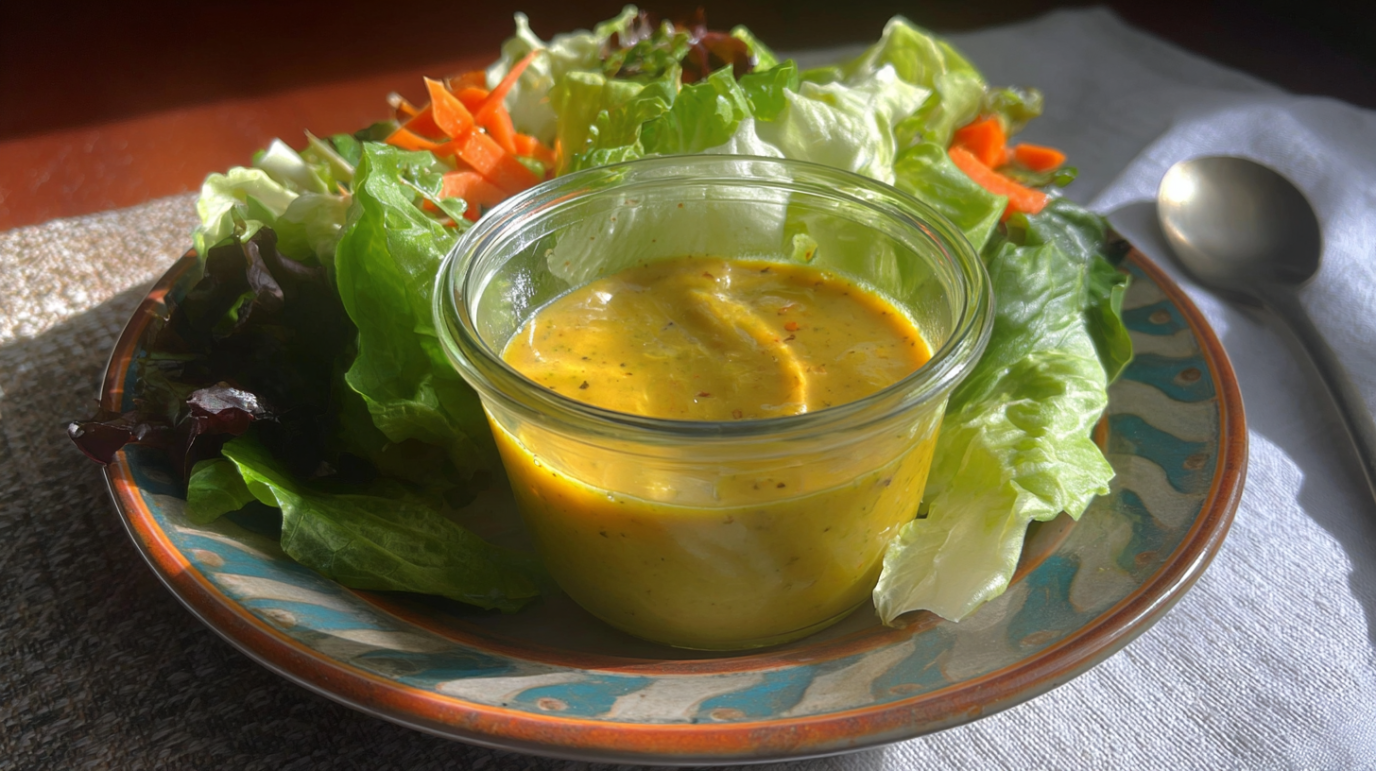
Homemade Ginger Salad Dressing (Better Than Store-Bought!)
Ingredients
Equipment
Method
- Combine all ingredients in a jar with a tight-fitting lid or a small bowl.
- Shake vigorously or whisk until completely blended and emulsified.
- Taste and adjust seasonings – add more vinegar for tartness or maple syrup/honey for sweetness.
- Use immediately or refrigerate until ready to serve.
Notes
- This dressing keeps well in the refrigerator for up to 10 days.
- If it solidifies when cold, let it sit at room temperature for a few minutes or microwave for 15-30 seconds before shaking.
- For variations, try adding sesame oil, soy sauce, citrus juice, or blending with carrots for different flavor profiles.