Homemade Lemon Mustard Dressing: 5-Minute Magic for Perfect Salads
Lemon mustard dressing brings bright, zesty flavor that transforms ordinary greens into something special. This simple yet sophisticated dressing combines the perfect balance of tangy lemon juice, smooth Dijon mustard, and rich extra virgin olive oil. Whether you’re looking to elevate a quick weeknight dinner salad or impress guests at your next gathering, this homemade garlic vinaigrette alternative delivers restaurant-quality taste with minimal effort. The best part? You likely have all the ingredients sitting in your pantry right now!
Versatile Uses Beyond Just Salad Greens
While this lemon dijon dressing shines on traditional green salads, its versatility extends far beyond the salad bowl. Use it as a marinade for chicken or fish, drizzle it over roasted vegetables, or use it as a flavor-boosting sauce for grain bowls. The bright acidity of the lemon paired with the subtle heat from the dijon creates a perfect accompaniment to countless dishes. Once you discover how this simple dressing can elevate so many meals, you’ll find yourself reaching for it several times a week.
Ingredients for Perfect Lemon Mustard Dressing
Fresh, Simple Components Make All the Difference
The beauty of this honey dijon vinaigrette lies in its simplicity. With just five high-quality ingredients, you can create a dressing that outshines anything store-bought:
- 60 mL (¼ cup) extra virgin olive oil
- 40 mL (2½ tablespoons) fresh lemon juice
- 2 teaspoons Dijon mustard
- 1 teaspoon honey
- Pinch of sea salt
The Importance of Quality Ingredients
The simplicity of this lemon garlic dressing means each component really matters. Here’s why quality makes a difference:
- Extra virgin olive oil: Choose a good quality oil with a fruity, smooth flavor profile. It forms the base of your dressing and contributes significantly to both taste and mouthfeel.
- Fresh lemon juice: Always use freshly squeezed juice rather than bottled versions. The brightness and natural acidity of fresh lemons creates that signature zing that makes this dressing special.
- Dijon mustard: A good Dijon adds both creaminess and complexity. It acts as an emulsifier that helps bind the oil and lemon juice together while contributing its distinctive tangy flavor.
- Honey: Just a touch of sweetness balances the acidity of the lemon and the slight bitterness of the olive oil.
- Sea salt: A pinch enhances all the other flavors without making the dressing taste salty.
How to Make Lemon Mustard Dressing
Quick Shake Method for Perfect Emulsion
Making this creamy garlic dressing alternative couldn’t be simpler:
- Find a jar with a tight-fitting lid (a small mason jar works perfectly).
- Add 60 mL extra virgin olive oil to the jar.
- Pour in 40 mL fresh lemon juice.
- Add 2 teaspoons Dijon mustard.
- Drizzle in 1 teaspoon honey.
- Sprinkle a pinch of sea salt.
- Secure the lid tightly and shake vigorously for about 30 seconds until well combined and slightly thickened.
- Taste and adjust seasonings if needed.
- Drizzle immediately over your favorite salad and enjoy!
Why the Shake Method Works Better Than Whisking
The shake method creates a better emulsion than whisking for several reasons. First, the enclosed space of the jar allows for more forceful mixing without splattering. Second, the rapid motion breaks the oil into tiny droplets that become suspended in the acidic lemon juice, creating that perfect creamy consistency. Lastly, this method is simply cleaner and more convenient—no whisks to wash, just the jar that doubles as your storage container!
Tips & Variations for Lemon Mustard Dressing
Customizing Your Dressing for Different Flavor Profiles
- Add fresh minced garlic: Turn this into a true lemon garlic dressing by adding 1-2 finely minced garlic cloves. Let it sit for 30 minutes before serving to allow the flavors to meld.
- Adjust thickness: For a thinner dressing, add 1-2 teaspoons of water or additional lemon juice. For a thicker, more creamy garlic dressing texture, increase the Dijon mustard to 1 tablespoon.
- Herb infusions: Add 1 teaspoon of fresh chopped herbs such as thyme, basil, parsley, or dill to create unique variations.
- Spice it up: A pinch of red pepper flakes or a dash of hot sauce adds a pleasant heat that works wonderfully with the lemon.
- Make it more lemony: Add ½ teaspoon of lemon zest for an intensified citrus flavor in your lemon olive oil salad dressing.
- Sweeter version: Double the honey for a honey lemon vinaigrette that pairs beautifully with bitter greens or fruit salads.
- Vegan adaptation: Replace honey with maple syrup or agave nectar for a plant-based version.
Transforming Basic Dressing into Signature Varieties
This basic lemon mustard dressing recipe serves as an excellent foundation for creating signature variations:
Herbed Lemon Dijon Dressing
Transform your basic dressing by adding 1 tablespoon of finely chopped fresh herbs. Tarragon and dill create a French-inspired flavor, while basil and oregano give it an Italian twist. This variation works beautifully with roasted vegetable salads or as a marinade for chicken.
Creamy Dijonnaise Salad Dressing
For a richer, creamier texture, add 1 tablespoon of Greek yogurt or mayonnaise to the basic recipe. This variation creates a luscious dijonnaise salad dressing that pairs wonderfully with robust salads containing eggs, potatoes, or hearty greens.
Lemon Citrus Vinaigrette Dressing
Create a more complex citrus profile by replacing half the lemon juice with orange or grapefruit juice. This lemon citrus vinaigrette dressing works beautifully with avocado salads and seafood dishes, bringing a bright, sophisticated flavor dimension.
Serving Ideas for Lemon Mustard Dressing
Salads That Shine With This Dressing
This versatile salad dressing with dijon mustard elevates countless salad combinations:
- Classic green salads: Arugula, spinach, or butter lettuce with shaved parmesan and cracked black pepper
- Protein-packed options: Grilled chicken Caesar, salmon and avocado, or steak and blue cheese salads
- Grain bowls: Quinoa or farro with roasted vegetables and chickpeas
- Summer favorites: Cucumber, tomato, and feta salad or watermelon and arugula combinations
- Hearty winter salads: Roasted root vegetables with goat cheese and walnuts
- Pasta salads: Orzo with cherry tomatoes, cucumbers, and olives
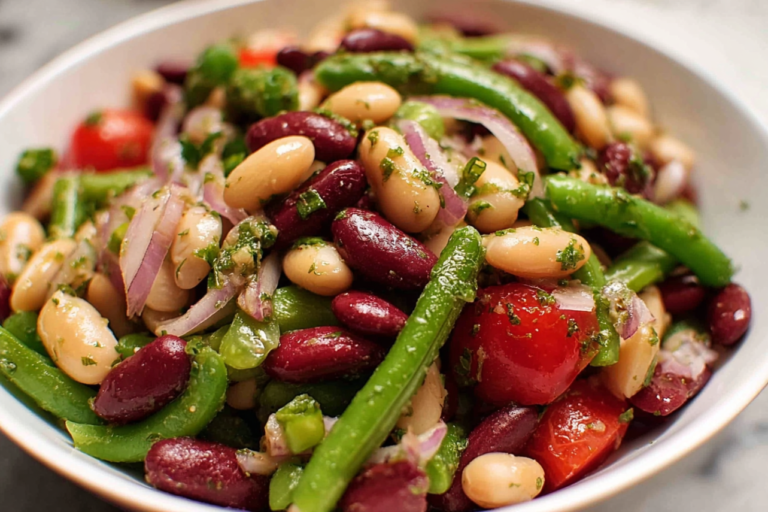
- Bean salads: White bean and tuna or three-bean medleys
Beyond Salads: Creative Uses for Lemon Dijon Dressing
Your lemon vinaigrette dressing can do so much more than dress greens:
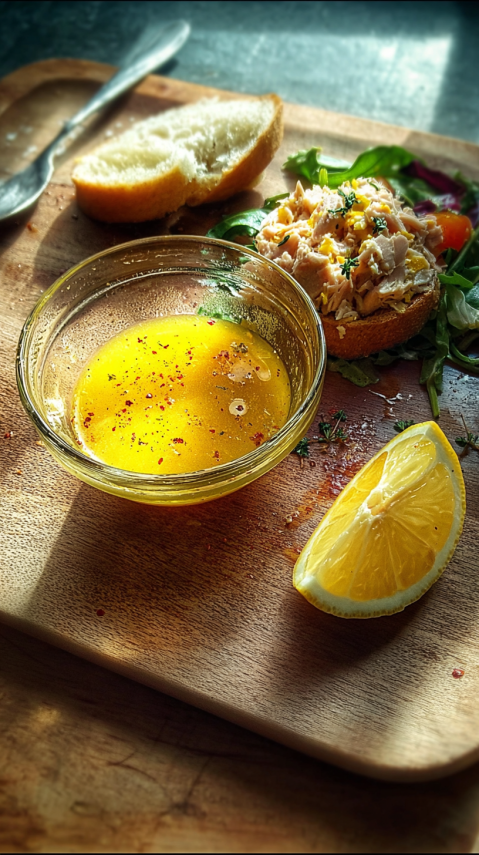
- Marinade for proteins: Use as a 30-minute marinade for chicken, fish, or shrimp before grilling
- Sandwich spread: Brush on bread before assembling sandwiches for extra flavor
- Grain enhancer: Toss with warm quinoa, rice, or couscous for instant flavor
- Vegetable finisher: Drizzle over steamed or roasted vegetables just before serving—especially good on roasted carrots for a sweet and tangy combination.
- Potato dressing: Toss with warm new potatoes for a lighter alternative to mayo-based dressings
- Dipping sauce: Serve alongside crusty bread as an alternative to plain olive oil
- Seafood accent: Drizzle over grilled fish or serve alongside steamed shrimp
Storage and Shelf Life
Keeping Your Lemon Oil Dressing Fresh
Proper storage ensures your salad dressing using lemon maintains its fresh flavor and emulsion:
- Refrigeration: Store your lemon mustard dressing in an airtight container in the refrigerator for up to 1 week. Mason jars with tight-fitting lids work perfectly.
- Oil solidification: Don’t worry if the olive oil solidifies slightly when chilled—this is normal. Simply remove from the refrigerator 15-20 minutes before using or run the sealed jar under warm water for a minute.
- Re-emulsification: The dressing will naturally separate when stored. Shake vigorously before each use to recombine the ingredients. If it’s particularly stubborn, let it come to room temperature first.
- Freshness indicators: Trust your senses—if the dressing develops an off smell or flavor, discard it.
- Freezing: While not ideal, you can freeze this dressing for up to 1 month in ice cube trays for single-serving portions. The texture may change slightly upon thawing, but a good shake will revive it.
Other Creamy Dressings to Try
FAQs About Lemon Mustard Dressing
Can I make lemon mustard dressing without a jar?
Absolutely! While the jar method is convenient, you can also make this dressing in a bowl with a whisk. The key is to add the olive oil very slowly while whisking continuously to create a proper emulsion. Start by whisking together the lemon juice, Dijon mustard, honey, and salt. Then, while whisking vigorously, slowly drizzle in the olive oil until fully incorporated and slightly thickened.
Why does my lemon dijon dressing separate so quickly?
Separation is natural for oil-and-acid based dressings. If your dressing separates too quickly, it may be because the emulsion wasn’t fully formed during mixing. Try these tips: 1) Ensure the mustard is well incorporated before adding oil, as it acts as an emulsifier; 2) Make sure you’re shaking vigorously enough; 3) Let ingredients reach room temperature before mixing; 4) Consider adding a small amount of mayonnaise (½ teaspoon) which contains lecithin, a powerful emulsifier.
Can I make this lemon garlic dressing ahead for a party?
This dressing is perfect for make-ahead situations! In fact, the flavors develop and meld beautifully after a few hours in the refrigerator, especially if you add garlic or herbs. Prepare it up to 3 days in advance, store refrigerated, and remove 30 minutes before serving. Give it a thorough shake before pouring. For parties, consider transferring to a pretty cruet or bottle with a pour spout for elegant serving.
Conclusion
Why Homemade Lemon Mustard Dressing Beats Store-Bought Every Time
Making your own lemon mustard dressing at home is not only incredibly simple but delivers flavor that store-bought versions simply can’t match. Without preservatives or artificial ingredients, this fresh, vibrant dressing showcases the clean taste of quality olive oil, the bright acidity of fresh lemons, and the complex tanginess of Dijon mustard. The five minutes it takes to prepare translates into salads that truly shine and meals that feel special, even on busy weeknights. Plus, you can customize it to your exact taste preferences, adjusting acidity, sweetness, and texture until it’s perfectly suited to your palate.
Expand Your Homemade Dressing Collection
Once you’ve mastered this basic lemon vinaigrette dressing, consider exploring other homemade dressing variations. Try our creamy garlic dressing for a richer option, or explore our honey dijon vinaigrette when you want something with a bit more sweetness. The principles remain the same—quality ingredients, proper emulsion techniques, and balanced flavors. Building a repertoire of 3-4 signature dressings means you’ll always have the perfect accompaniment for any salad, giving you control over ingredients while saving money compared to premium store-bought options. Your salads will never be the same!
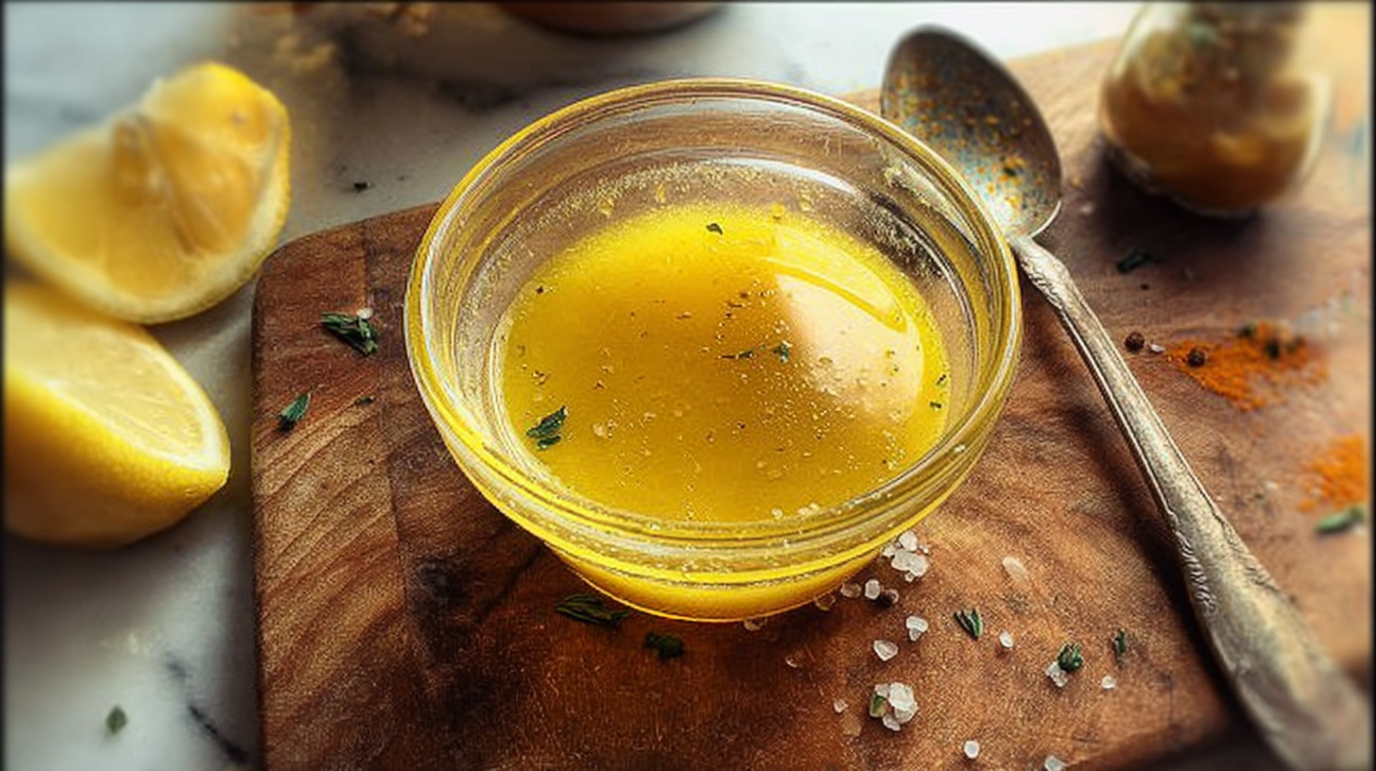
Easy Homemade Lemon Mustard Dressing
Ingredients
Equipment
Method
- Add olive oil, lemon juice, Dijon mustard, honey, and sea salt to a jar with a tight-fitting lid.
- Secure the lid and shake vigorously for about 30 seconds until well combined and slightly thickened.
- Taste and adjust seasonings if needed.
- Use immediately or store refrigerated.
Notes
- Store in an airtight container in the refrigerator for up to one week.
- The dressing will naturally separate when stored – simply shake well before each use.
- For variations, try adding minced garlic, fresh herbs, or a pinch of red pepper flakes.