Lemon Dill Vinaigrette: A Bright and Herby Homemade Salad Dressing
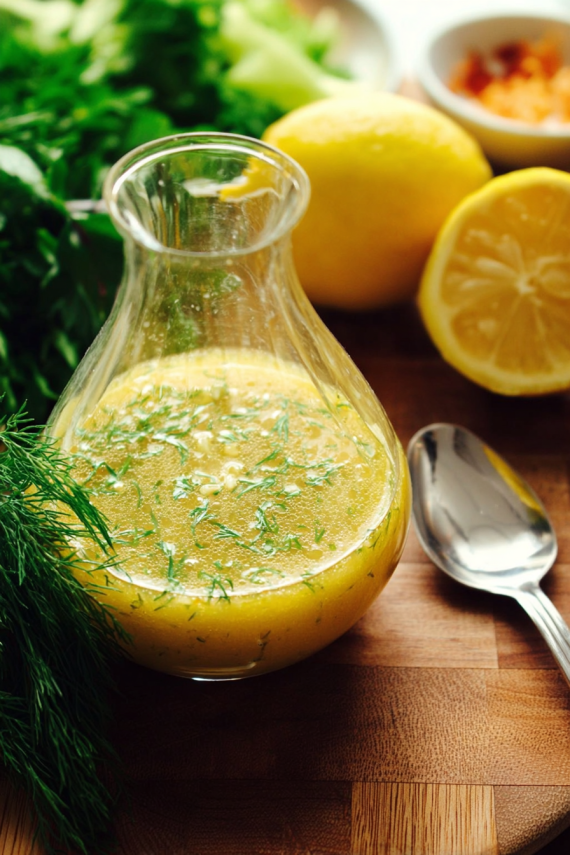
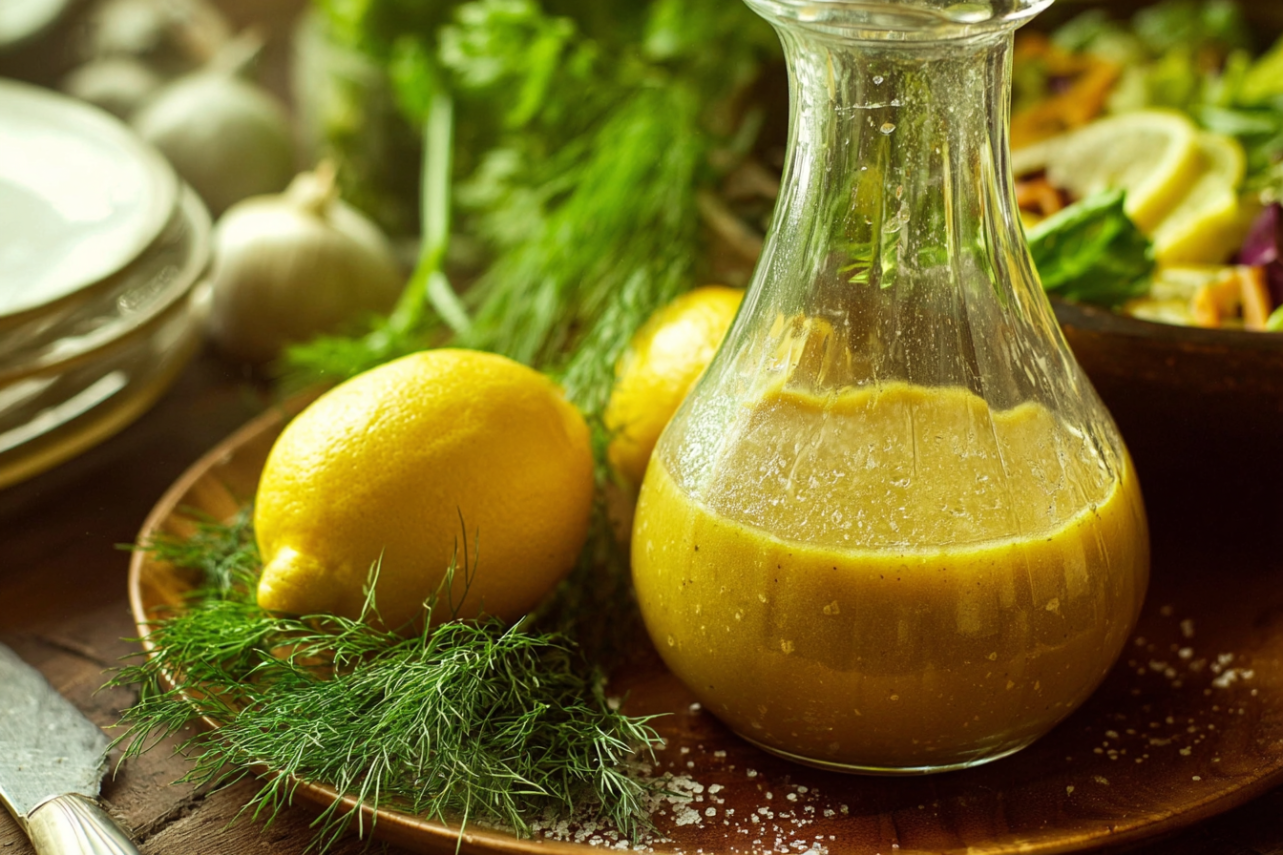
Lemon dill vinaigrette brings together the bright, citrusy punch of fresh lemon juice with the distinctive, aromatic qualities of dill in a seamless emulsion. This homemade dill dressing strikes the perfect balance between tangy and savory, with honey adding just enough sweetness to round out the flavors. Unlike store-bought versions that often contain preservatives and excessive sodium, this fresh dill recipe delivers clean, vibrant flavors that instantly elevate any dish it touches.
Versatility Beyond Just Salads
While this lemon dill salad dressing shines on crisp greens, its versatility extends far beyond the salad bowl. Drizzle it over grilled fish or chicken for an instant flavor boost, use it as a marinade for shrimp, or spoon it over roasted vegetables. The bright, herbaceous profile of this dill vinaigrette complements Mediterranean dishes particularly well, making it a staple condiment for health-conscious home cooks who appreciate fresh, garden-inspired flavors.
Fresh Ingredients for Lemon Dill Vinaigrette
Quality Components Make All the Difference
The beauty of homemade dill salad dressing lies in its simplicity. With just a handful of fresh ingredients, you can create a restaurant-quality condiment that outshines anything from the grocery store:
- 3 tablespoons fresh lemon juice (approximately 1-2 lemons)
- 1-3 tablespoons mild Dijon mustard
- 1-2 teaspoons honey, more to taste
- 1 medium garlic clove, finely minced
- ½ teaspoon kosher salt
- ⅛ teaspoon freshly ground black pepper
- ½ cup mild-flavored oil (sunflower, safflower, avocado, grapeseed, canola, or vegetable)
- 2 tablespoons finely chopped fresh dill
The Importance of Fresh Dill
For this lemon oil salad dressing, fresh dill is non-negotiable. The delicate, feathery herb contains essential oils that dried dill simply cannot match. When chopped fresh, dill releases aromatic compounds that give this dressing its distinctive character. Look for bright green, fragrant bunches without any yellowing or wilting for the most vibrant flavor in your dill dressing recipe.
Step-by-Step Instructions for Perfect Lemon Dill Vinaigrette
Creating the Emulsion Base
In a medium bowl, whisk together the fresh lemon juice, 1 tablespoon of the Dijon mustard, honey, minced garlic, kosher salt, and freshly ground black pepper until completely blended. The mustard not only adds flavor but acts as an emulsifier to help your dressing stay properly mixed.
Continue whisking vigorously until the mixture becomes slightly frothy and the honey has fully dissolved into the acidic lemon juice.
While whisking constantly, slowly drizzle in the oil in a thin, steady stream. This gradual addition is crucial for creating a proper emulsion that won’t separate. Keep whisking until the mixture thickens noticeably and appears creamy and uniform.
Taste the dressing and add more mustard if desired for additional tang and thickening power, then whisk again to incorporate.
Finally, add the finely chopped fresh dill and stir well to distribute the herbs throughout the dressing.
Transfer to a sealed container and refrigerate until ready to use, allowing at least 30 minutes for the flavors to meld.
Adjusting for Taste Preferences
The beauty of making your own creamy dill dressing is the ability to customize. After the initial mixing:
Taste your dressing and assess the balance of flavors.
For more sweetness, add additional honey in ¼ teaspoon increments.
If you prefer a sharper dressing, incorporate more lemon juice or an extra ½ tablespoon of Dijon mustard.
For a more pronounced dill flavor, stir in an additional tablespoon of freshly chopped dill.
Always taste again after each adjustment to achieve your perfect balance.
Tips and Variations for Lemon Dill Vinaigrette
Perfecting Your Dill Salad Dressing Recipe
For a thinner consistency: Add 1-2 tablespoons of cold water or additional lemon juice and whisk until incorporated.
For a thicker, creamier texture: Increase the Dijon mustard to 3 tablespoons or add 2 tablespoons of Greek yogurt for a creamy dill salad dressing variation.
Oil substitutions: While neutral oils work best, you can use extra virgin olive oil for a more robust Mediterranean flavor profile, though it may solidify slightly when refrigerated.
Make it dairy-free: This dill dressing is naturally dairy-free, making it perfect for those with lactose intolerance or following a plant-based diet.
Herb variations: While dill is the star, you can create interesting flavor profiles by adding a tablespoon of fresh chopped parsley, chives, or tarragon alongside the dill.
Storage container tip: A glass jar with a tight-fitting lid makes both storage and re-emulsification (with a quick shake) easier than plastic containers.
Garlic intensity: For a milder garlic flavor, let the minced garlic sit in the lemon juice for 5-10 minutes before proceeding with the recipe, which will mellow its sharpness.
Creative Variations on Lemon Dill Dressing
Creamy Lemon Dill Dressing
Transform this vinaigrette into a creamy dill dressing by adding 2-3 tablespoons of Greek yogurt or sour cream. This variation creates a richer texture that’s perfect for potato salads, as a dip for crudités, or drizzled over grilled salmon.
Lemon Dill Dijon Vinaigrette
Enhance the Dijon character by increasing the mustard to 3 tablespoons and adding a pinch of dried mustard powder. This variation creates a more robust dressing that pairs beautifully with heartier greens like kale or with grain bowls.
Mediterranean Lemon Dill Dressing
Add 1 tablespoon of finely minced shallot and 1 teaspoon of dried oregano to create a Mediterranean-inspired variation that works wonderfully with Greek salads, drizzled over feta cheese, or as a marinade for chicken souvlaki.
Serving Ideas for Lemon Dill Vinaigrette
Salads That Pair Perfectly with Lemon Dill Dressing
This bright and herby lemon dill vinaigrette enhances a wide variety of salads, making it a versatile addition to your dressing repertoire:
Mediterranean Chickpea Salads: The lemon and dill complement the earthy chickpeas beautifully, as in this Mediterranean Chickpea Tuna Salad.
Potato-Based Salads: The tangy dressing cuts through the richness of potatoes, especially in Dill Pickle Potato Salad.
Seafood Salads: The bright flavors in this dressing naturally complement fish and seafood, like in a Zesty Lime Shrimp Salad with Avocado.
Simple Green Salads: Transform basic greens into something special with this dressing, as demonstrated in this Fresh Easy Green Salad.
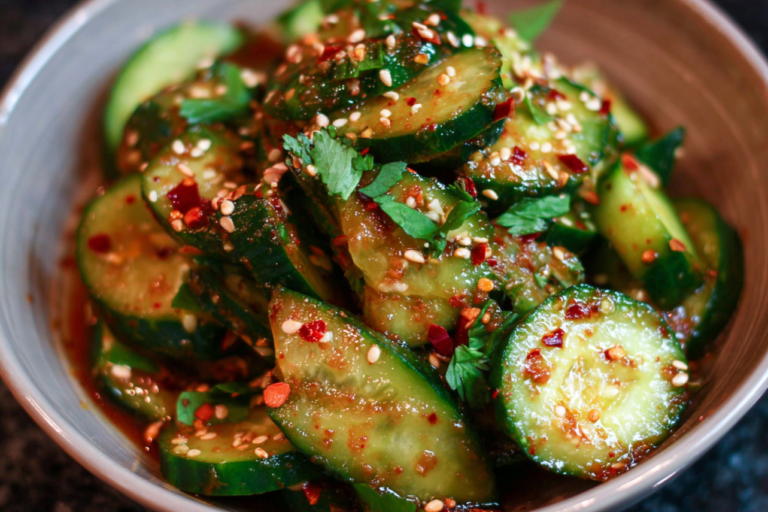
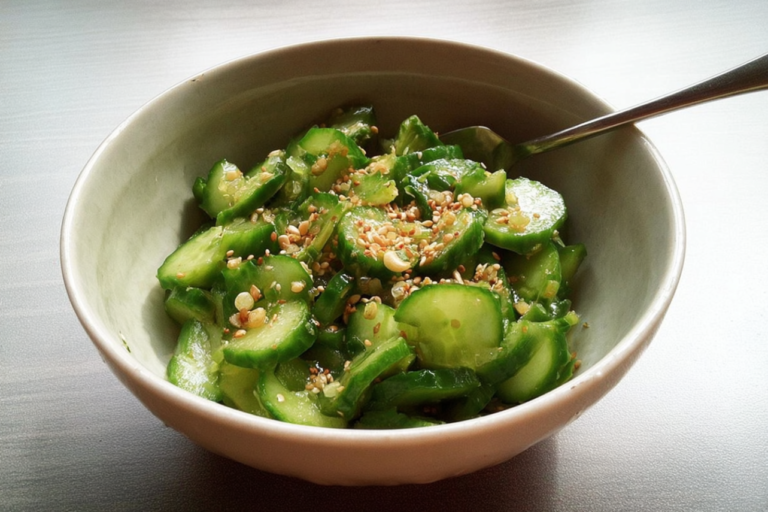
Cucumber-Forward Salads: The cooling cucumber pairs perfectly with dill’s herbaceous notes, like in this Thai Cucumber Salad.
Beyond Salads: Additional Uses
This versatile lemon dill vinaigrette goes far beyond traditional salads:
Grilled Protein Enhancer: Drizzle over grilled chicken, fish, or shrimp just before serving for a burst of bright flavor.
Grain Bowl Dressing: Transform ordinary grain bowls by adding this dressing to farro, quinoa, or bulgur-based dishes.
Vegetable Marinade: Use as a marinade for vegetables before grilling or roasting, especially for zucchini, eggplant, or bell peppers.
Sandwich Spread: Mix with a bit of mayonnaise to create a flavorful spread for sandwiches, particularly those featuring salmon, tuna, or turkey.
Potato Topper: Drizzle over warm, roasted new potatoes for an instant side dish that pairs well with almost any protein.
Storage and Shelf Life of Lemon Dill Vinaigrette
Proper Storage for Maximum Freshness
Your homemade lemon dill vinaigrette will maintain its freshest flavor when stored correctly. Transfer the dressing to an airtight glass container with a tight-fitting lid and refrigerate immediately after making. Glass containers are preferred over plastic as they won’t absorb flavors and are easier to clean thoroughly.
This fresh dill salad dressing will keep well in the refrigerator for up to 1 week. The acid from the lemon juice helps preserve the dressing, but the fresh dill will gradually lose its vibrant color and flavor over time. For the best taste experience, consume within 5 days of preparation.
Handling Tips for Stored Dressing
When removing your lemon oil salad dressing from the refrigerator, you’ll likely notice that it has separated and may have slightly solidified if you used certain types of oil. This is completely normal and doesn’t indicate spoilage. Simply:
Allow the dressing to sit at room temperature for 5-10 minutes to take the chill off.
Shake the container vigorously to re-emulsify the ingredients before using.
If the dressing remains too thick after shaking, add a teaspoon of warm water and shake again.
Always use clean utensils when dipping into the dressing to avoid introducing bacteria that could shorten shelf life.
FAQs About Lemon Dill Vinaigrette
Can I use dried dill instead of fresh in this lemon dill dressing?
While fresh dill provides the most vibrant flavor for this dressing, you can substitute dried dill in a pinch. Use 2 teaspoons of dried dill to replace the 2 tablespoons of fresh called for in the recipe. Remember that dried herbs have a more concentrated flavor but lack some of the brightness of fresh. For best results, allow the dressing to rest for at least an hour before serving to give the dried dill time to hydrate and release its flavors into the oil.
Why is my lemon dill vinaigrette separating so quickly?
Separation is normal for homemade vinaigrettes since they’re temporary emulsions. To create a more stable dressing that separates less readily, make sure you’re adding the oil in a very slow, steady stream while whisking continuously. The Dijon mustard in the recipe acts as an emulsifier, so don’t reduce this ingredient if separation is an issue. For the most stable emulsion, you can also blend the dressing ingredients (except dill) in a blender or food processor, then stir in the fresh herbs afterward.
What’s the best oil to use for lemon dill salad dressing?
The ideal oil for this dill salad dressing recipe is one with a mild flavor that won’t compete with the dill and lemon. Grapeseed, avocado, or safflower oils are excellent choices because they’re neutral in flavor while providing a good base for the dressing. Extra virgin olive oil can be used if you prefer its flavor, but it will add its own distinctive taste and may solidify more when refrigerated. For the lightest, most lemon-forward dressing, stick with the neutral oils recommended in the recipe.
Conclusion: Enjoy Your Homemade Lemon Dill Vinaigrette
A Versatile Addition to Your Kitchen
This lemon dill vinaigrette represents everything wonderful about homemade dressings – fresh ingredients, customizable flavors, and versatility that store-bought versions simply can’t match. By taking just a few minutes to whisk together this bright and herbaceous dressing, you’re adding an impressive tool to your culinary repertoire. The combination of tangy lemon, aromatic dill, and smooth oil creates a perfectly balanced dressing that elevates everything from simple green salads to grilled proteins.
Expand Your Homemade Dressing Collection
Once you’ve mastered this creamy dill dressing, consider exploring other homemade vinaigrettes and sauces. Each unique combination of acids, oils, and herbs opens up new possibilities in the kitchen. Experiment with different herbs in place of dill, try alternative acids like white wine vinegar, or add different emulsifiers to change the texture. The world of homemade dressings is endlessly customizable and will transform how you approach everyday meals.
Other Classic Vinaigrettes to Try
Bright and Zesty Lemon Dill Vinaigrette
Ingredients
Equipment
Method
- In a bowl, whisk together lemon juice, 1 tablespoon Dijon mustard, honey, garlic, salt and pepper until well blended.
- While whisking continuously, slowly drizzle in the oil in a steady stream until the mixture thickens and becomes creamy.
- Taste and add more mustard if desired, then whisk again to incorporate.
- Add the chopped fresh dill and stir well to combine.
- Refrigerate until ready to use, allowing flavors to meld for at least 30 minutes.
Notes
- Storage: Keep refrigerated in an airtight container for up to 1 week.
- The dressing will separate when stored; simply shake well before using.
- For a creamier variation, add 2-3 tablespoons of Greek yogurt.
- Adjust thickness by adding more mustard (thicker) or a tablespoon of water (thinner).