Red Wine Vinaigrette Recipe – The Perfect Homemade Salad Dressing
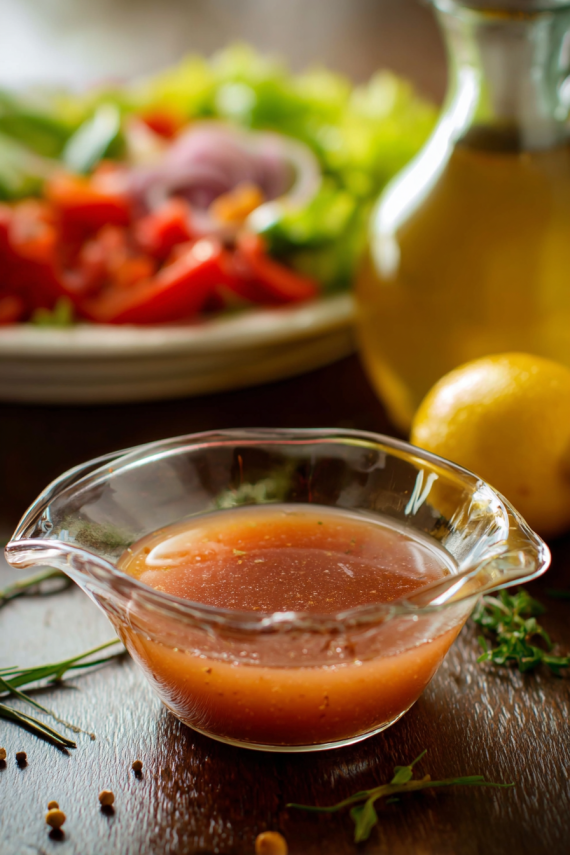
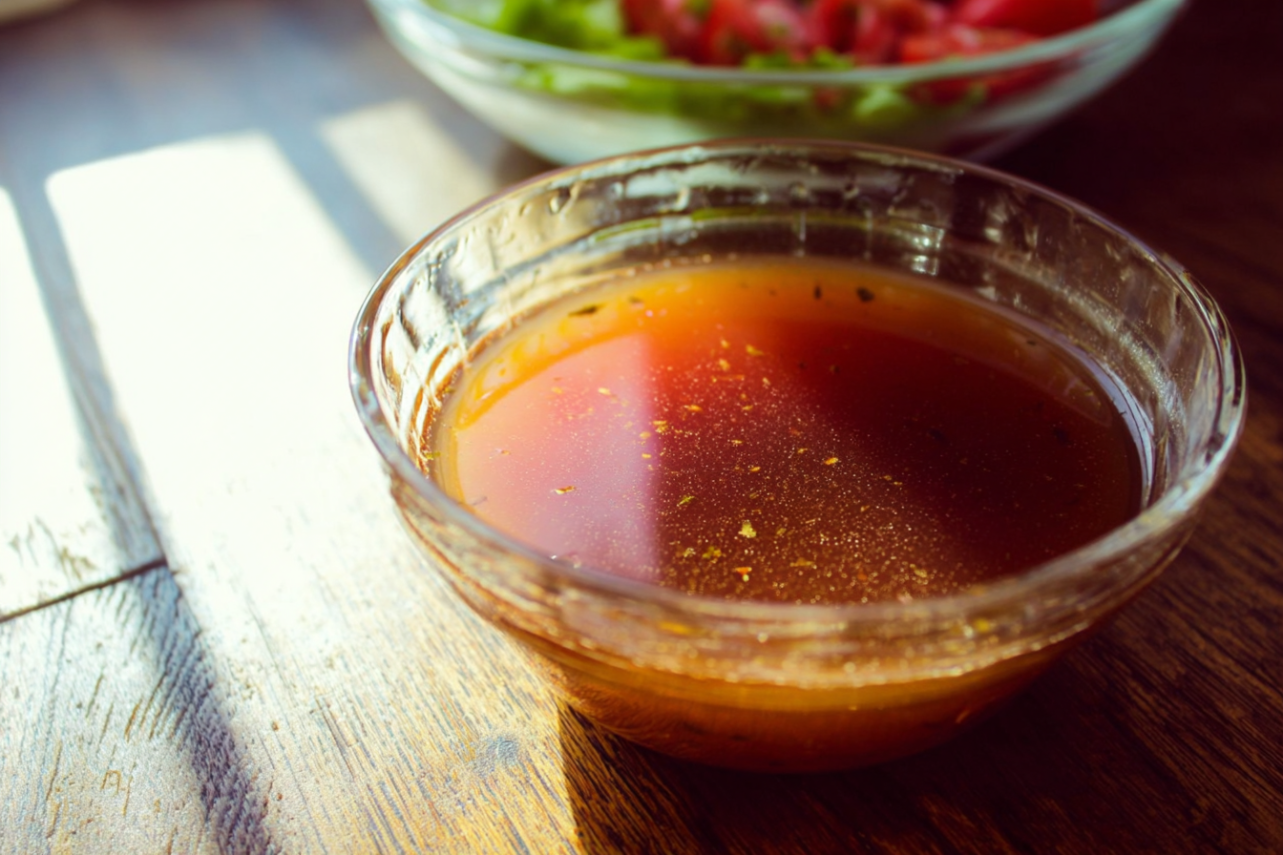
Red wine vinaigrette is the unsung hero of homemade salad dressings – simple to prepare yet sophisticated in flavor. This classic red wine vinaigrette recipe strikes the perfect balance between tangy and smooth, with just the right amount of acidity from quality red wine vinegar paired with rich olive oil. Unlike store-bought versions loaded with preservatives and excess sugar, this homemade red wine vinaigrette dressing lets the pure, clean flavors shine through.
Whether you’re tossing a quick weeknight salad or preparing an elegant dinner party starter, this versatile red wine vinegar vinaigrette elevates anything it touches. The beauty of this basic red wine vinaigrette is how it enhances the natural flavors of fresh greens and vegetables without overpowering them. In just minutes, you can create a restaurant-quality dressing that will transform even the simplest bowl of lettuce into something truly special.
Ingredients for Perfect Red Wine Vinaigrette
What You’ll Need for This Classic Dressing
Making a simple red wine vinaigrette requires just a handful of quality ingredients:
- ½ cup extra virgin olive oil
- ¼ cup red wine vinegar
- 1 teaspoon Dijon mustard (see note 1)
- 1 teaspoon dried oregano (see note 2)
- Salt and freshly ground black pepper (see note 3)
The quality of your ingredients matters significantly when making such a simple dressing. The better your olive oil and red wine vinegar, the more impressive your finished vinaigrette will be. This recipe creates about 3/4 cup of dressing, perfect for several salads throughout the week.
How to Make Red Wine Vinaigrette Step-by-Step
The Simple Mixing Method
Creating the perfect red wine vinaigrette recipe is incredibly straightforward:
- Add olive oil, red wine vinegar, Dijon mustard, and dried oregano to a small mixing bowl.
- Whisk vigorously until the ingredients are thoroughly combined and the dressing begins to emulsify (thicken slightly).
- Season with salt and freshly ground black pepper to taste (approximately ½ teaspoon salt and ¼ teaspoon pepper works well for most palates).
- Taste and adjust seasoning if necessary, adding more salt, pepper, or vinegar according to your preference.
- Use immediately or transfer to an airtight container for storage.
Alternative Preparation Methods
If you prefer a more thoroughly emulsified red wine vinaigrette:
- Place all ingredients in a small jar with a tight-fitting lid.
- Secure the lid firmly and shake vigorously for 30-45 seconds until well combined.
- This method creates a thicker, more unified dressing that stays emulsified longer.
For an ultra-smooth red wine dijon vinaigrette:
- Add all ingredients except olive oil to a blender or food processor.
- While blending on low speed, slowly drizzle in the olive oil until the mixture is completely emulsified.
- This creates a restaurant-style, perfectly smooth vinaigrette.
Tips & Variations for Your Red Wine Vinaigrette Recipe
Making It Your Own
The beauty of a basic red wine vinaigrette is its adaptability. Here are some tips and variations to customize this classic dressing:
- Adjust the oil-to-vinegar ratio: The standard 2:1 ratio (oil to vinegar) creates a balanced dressing. For a tangier dressing, use more vinegar; for a milder flavor, increase the oil.
- Sweetness options: Add 1-2 teaspoons of honey, maple syrup, or granulated sugar to balance the acidity if you prefer a slightly sweeter dressing.
- Herb variations: Replace or supplement the oregano with fresh herbs like thyme, basil, parsley, or chives. Fresh herbs add brightness but should be added just before serving.
- Garlic lover’s version: Add 1-2 minced garlic cloves or ½ teaspoon garlic powder for an aromatic kick.
- Shallot enhancement: Finely minced shallots (about 1 tablespoon) add complexity and subtle sweetness.
- Spice it up: A pinch of red pepper flakes or a few dashes of hot sauce create a zesty variation.
- Cheese additions: Stir in 1-2 tablespoons of freshly grated Parmesan or crumbled feta cheese for a creamy, savory element.
Troubleshooting Your Dressing
If your red wine vinaigrette separates quickly:
- Add an extra ½ teaspoon of Dijon mustard, which acts as an emulsifier
- Blend the dressing with an immersion blender for better incorporation
- Let the dressing sit at room temperature for 30 minutes before serving if it’s been refrigerated
Serving Ideas for Red Wine Vinaigrette Dressing
Salads That Pair With This Dressing
This versatile red wine vinegar vinaigrette complements a wide variety of salads:
- Mixed Green Salads: Enhance a Perfect Mixed Green Salad with this vinaigrette for an elegant side dish that pairs beautifully with steak or chicken.
- Mediterranean-Inspired Salads: The flavors in this dressing perfectly complement a Mediterranean Quinoa Salad or Mediterranean Chickpea Tuna Salad.
- Grain Bowls: Drizzle over a Hearty Farro Salad for a satisfying lunch option.
- Pasta Salads: Transform a simple Pasta Salad with Vinaigrette into something special.
- Protein-Focused Salads: Perfect with a Grilled Chicken Avocado Salad or Ultimate Steak Salad.
Beyond Salads: Other Uses for Red Wine Vinaigrette
This versatile dressing goes beyond traditional salads:
- Marinade: Use as a marinade for chicken, fish, or vegetables before grilling
- Sandwich Spread: Brush on bread before assembling sandwiches for extra flavor
- Grain Enhancement: Toss with warm quinoa, rice, or farro for flavorful side dishes
- Roasted Vegetables: Drizzle over roasted vegetables just before serving
- Pasta Accent: Toss with warm pasta and vegetables for a light, flavorful dish
Storage Tips for Your Red Wine Vinaigrette Recipe
Keeping Your Dressing Fresh
Proper storage ensures your homemade red wine vinaigrette stays fresh and flavorful:
Store your simple red wine vinaigrette in an airtight container in the refrigerator for up to 2 weeks. Mason jars or glass dressing bottles with tight-fitting lids work exceptionally well for storage. The cold temperature will cause the olive oil to solidify slightly, which is completely normal.
Always remove the dressing from the refrigerator 15-20 minutes before using to allow the olive oil to return to a liquid state. Shake vigorously before each use, as separation is natural with homemade vinaigrettes. If you’ve added fresh ingredients like garlic, herbs, or shallots, the shelf life decreases to about 5-7 days.
For longer storage, consider making the base dressing without fresh ingredients and adding them only to the portion you plan to use immediately. This extends the shelf life of the base dressing while still allowing you to enjoy the freshness of added herbs and aromatics.
FAQs About Red Wine Vinaigrette
Can I make red wine vinaigrette without Dijon mustard?
Yes, you can make red wine vinaigrette without Dijon mustard, though it serves as an emulsifier that helps bind the oil and vinegar. Without it, your dressing will separate more quickly. Alternatives include a small amount of mayonnaise, Greek yogurt, or egg yolk (though the latter should only be used if the dressing will be consumed immediately). You can also simply omit it and accept that you’ll need to shake the dressing well before each use.
What’s the difference between red wine vinegar and balsamic vinegar for vinaigrette?
Red wine vinegar has a cleaner, more straightforward acidic profile that lets other ingredients shine, making it ideal for everyday salad dressings. Balsamic vinegar is sweeter, more complex, and has notes of caramel and wood aging. Balsamic vinaigrette tends to be slightly sweeter and more robust, while red wine vinaigrette is brighter and more versatile across different types of salads. Each creates a distinctly different flavor profile in your finished dressing.
How can I make my red wine vinaigrette less acidic?
If your red wine vinaigrette tastes too acidic, there are several easy fixes. First, adjust the oil-to-vinegar ratio by adding more olive oil, which dilutes the acidity. Adding a small amount of sweetener like honey, maple syrup, or even a pinch of sugar can balance the tartness. Additionally, incorporating more Dijon mustard or adding some finely grated Parmesan cheese can help round out the flavor profile and mellow the acidity.
Conclusion: Mastering the Red Wine Vinaigrette Recipe
Why Homemade Is Always Better
Once you’ve made this basic red wine vinaigrette at home, you’ll wonder why you ever purchased bottled dressing. The vibrant flavors, clean ingredients, and customizable nature of homemade vinaigrette simply can’t be matched by store-bought alternatives. This red wine vinaigrette recipe requires minimal effort but delivers maximum flavor, making it the perfect addition to your culinary repertoire.
Other Classic Vinaigrettes to Try
Classic Red Wine Vinaigrette Recipe
Ingredients
Equipment
Method
- In a small bowl whisk together olive oil, vinegar, Dijon mustard, and oregano.
- Season to taste with salt and pepper (I like ½ teaspoon salt and ¼ teaspoon pepper).
- Use immediately or store in an airtight container in the refrigerator.
Notes
- Dijon mustard acts as an emulsifier, helping the oil and vinegar stay combined. For a stronger flavor, increase to 2 teaspoons.
- Fresh herbs can be substituted for dried. Use 1 tablespoon fresh chopped oregano or try other herbs like thyme, basil, or parsley.
- Adjust salt and pepper to your taste preferences. The dressing will mellow slightly after sitting.
- Store in an airtight container in the refrigerator for up to 2 weeks. Bring to room temperature and shake well before using.